Back Pocket Wallet Habit May Trigger Sciatica Pain
Sitting on a thick wallet can tilt the pelvis, strain the lower back and irritate the sciatic nerve, raising risk of pain over time.
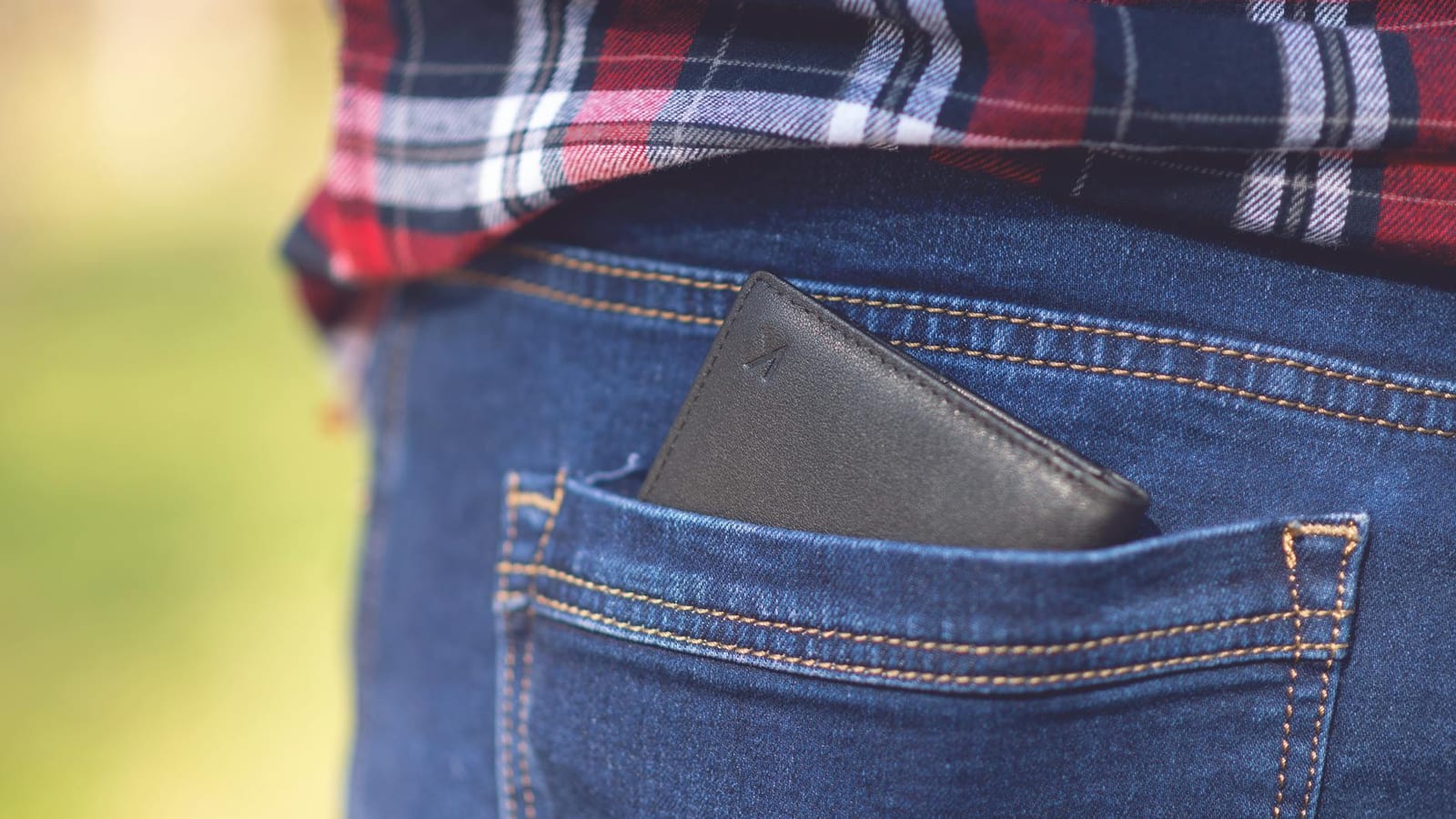
That thick wallet may look harmless, until your lower back starts filing a complaint.
For many Indian men, the wallet lives in the back pocket by habit. Cash, cards, IDs, receipts, old bills, maybe a visiting card from 2019. Then comes the long office chair, the bike ride, the car commute, and the slow pain nobody connects to the pocket.
A report listed by the National Library of Medicine flags this everyday habit as a possible trigger for Fat Wallet Syndrome. The name sounds almost funny. The discomfort, for some people, is not.
Why the back pocket hurts
When you sit on a wallet in back pocket, your body does not sit evenly. One side of the pelvis rises slightly. The pelvis is the bony bowl that supports your spine.
That small tilt may not matter for five minutes. But it can matter across hours, days, and months. Your lower back then adjusts to an uneven base.
The report explains that this can strain the spine and nearby nerves. The sciatic nerve matters most here. It runs from the lower back, through the hip, and down the leg.
When pressure irritates this nerve, pain may travel beyond the back. Some people feel tingling, numbness, or a dull ache in one leg. Others feel stiffness after driving or sitting at work.
Doctors often see a familiar pattern in such complaints. The patient talks about back pain. Only later does the sitting posture enter the conversation.
What Fat Wallet Syndrome means
Fat Wallet Syndrome is not a dramatic disease label. It describes pain linked to sitting on a bulky wallet for long periods.
Think of it like placing a small wedge under one side of a chair. The chair may still stand. But everything above it sits slightly crooked.
Your body does the same. Muscles tighten to keep you balanced. The spine takes extra strain. The hip joint may also feel the load.
The problem grows worse when the wallet is thick or uneven. A slim card holder may create less trouble. A stuffed wallet can act like a hard block under one side.
The risk also rises during long sitting. Office workers, drivers, students, and frequent travellers should pay attention. So should anyone who spends hours on two-wheelers or in traffic.
This does not mean every backache comes from a wallet. Back pain has many causes. Disc problems, weak muscles, injuries, weight, and poor chairs can all play a role.
But the wallet in back pocket is one cause people can fix today. That makes it worth taking seriously.
The nerve behind the pain
The sciatic nerve is the body’s longest nerve. It starts in the lower spine and travels down both legs.
When something irritates this nerve, the pain can feel strange. It may burn, shoot, tingle, or spread. It may also make the leg feel heavy or numb.
Sitting on a wallet can press tissues around the hip and buttock. That pressure may irritate the sciatic nerve or nearby muscles. The result can mimic sciatica-like pain.
Sciatica simply means pain linked to the sciatic nerve. It is a symptom, not one single disease. The cause can differ from person to person.
This is why a doctor’s assessment matters if pain continues. A wallet habit may be part of the story. It may not be the full story.
Early discomfort often improves with simple changes. Remove the wallet while sitting. Stretch gently. Stand up often. Keep both hips level.
But warning signs need medical attention. These include weakness, loss of bladder control, fever, injury, or severe pain. Numbness that keeps getting worse also needs care.
Small fixes that help
The easiest fix is almost too simple. Take the wallet out before sitting.
Place it on the desk, in a bag, or in the front pocket. Do this especially while driving or sitting through long meetings.
Next, reduce what you carry. Most wallets become small storage units. Old receipts and unused cards add bulk without adding value.
Keep only what you need daily. Use digital payments where possible. Carry fewer cards if your routine allows it.
A front pocket can also help. It reduces pressure on the hip and lower back. It may also reduce the chance of theft in crowded places.
For office workers, posture matters too. Keep both feet on the floor. Sit with your hips level. Avoid leaning to one side for long periods.
Drivers should check their seat position. A wallet in back pocket during a long drive can keep the pelvis tilted throughout the journey. That is a lot of silent strain.
Young professionals may ignore these aches at first. Many blame the mattress, the chair, or the gym. Sometimes the culprit is sitting under them all day.
When pain needs attention
If pain fades after removing the wallet, the clue is strong. Your body may simply dislike the uneven pressure.
But do not self-diagnose stubborn pain. If symptoms last for weeks, see a qualified doctor. Persistent back pain deserves a proper examination.
A doctor may check strength, reflexes, sensation, and walking pattern. These simple tests help locate the source of nerve irritation.
In many cases, lifestyle changes and physiotherapy help. Strengthening the core muscles can support the lower back. Stretching tight hip muscles may also reduce strain.
The larger lesson is not just about wallets. It is about small habits that quietly shape health. We often notice pain only after the body has compensated for too long.
The wallet in back pocket is a classic Indian convenience habit. It feels normal because everyone does it. But normal does not always mean harmless.
A lighter wallet will not solve India’s back pain problem. Yet it may spare many people needless discomfort. Sometimes good health begins with a very ordinary decision, before you sit down.
This article is for informational purposes only and does not substitute medical advice. Consult a qualified physician for any health concern.
This article is for informational purposes only and does not substitute medical advice. Consult a qualified physician for any health concern.