Back Pocket Wallet Habit Can Trigger Sciatic Pain
Doctors warn that sitting on a thick wallet can tilt the pelvis, strain the lower back and irritate the sciatic nerve over time.
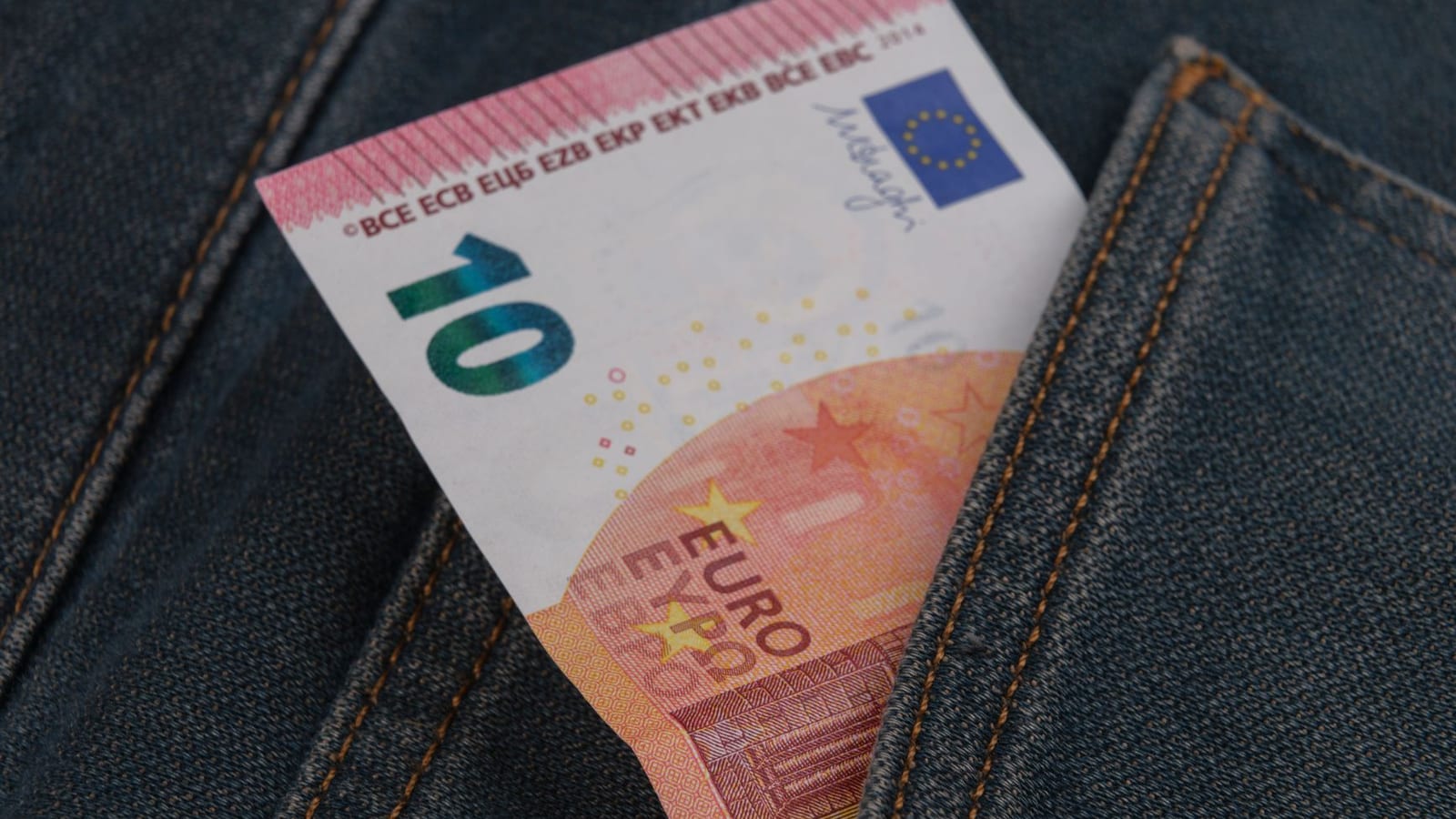
A thick wallet can quietly turn a normal chair into a bad seat.
That sounds dramatic, till you think about the daily routine. Office workers sit through calls. Drivers stay behind the wheel for hours. Students lean through lectures. Many men do all this with a lumpy wallet under one hip.
Doctors have a plain warning for this habit. The problem is not the wallet itself. The problem starts when you sit on it for long stretches.
Why the back pocket hurts
A paper available through the National Library of Medicine describes a condition often called Fat Wallet Syndrome. Some doctors also call it wallet neuritis or wallet sciatica.
The idea is simple. A wallet in the back pocket lifts one side of your pelvis. Your body then sits slightly tilted, even if you do not notice it.
That tilt can strain the lower back, hips, and buttock muscles. Over time, the pressure may irritate the sciatic nerve. This nerve runs from the lower back, through the buttock, and down the leg.
When that nerve gets annoyed, the symptoms can travel. A person may feel pain in the buttock, a dull pull in the thigh, or tingling down the leg.
MedlinePlus describes sciatica as pain linked to the sciatic nerve. It can show up as pain, numbness, or weakness along the nerve’s path.
That does not mean every backache comes from a wallet. Back pain has many causes. Slipped discs, muscle strain, poor posture, and long sitting can all play a role.
But a fat wallet adds one avoidable trigger. That is why doctors take this small habit seriously.
How sitting changes body balance
Think of your pelvis like the foundation of a house. If one side sits higher, the rest of the structure adjusts.
Your spine does the same thing. It bends and twists slightly to keep your head and shoulders level. You may still look normal from outside, but your muscles work harder inside.
This becomes worse during long sitting. A short restaurant meal may not matter much. A two-hour commute or a full office shift is a different story.
Drivers face a special risk because the posture stays fixed. The wallet presses into the buttock while the leg works the pedal. That repeated pressure can irritate tissue around the nerve.
For desk workers, the issue often hides behind ordinary tiredness. A person may blame the chair, laptop, or age. The wallet rarely becomes the first suspect.
This is why the condition can confuse people. The pain may appear in the back or leg, while the real trigger sits in the pocket.
Doctors call this a mimic because it can look like sciatica from another cause. That matters because treatment changes when the trigger is simple pressure.
The symptoms worth noticing
The first sign may be discomfort in one buttock. It can feel like a deep ache after sitting.
Some people feel pain that moves down the back of the thigh. Others notice pins and needles in the leg or foot.
Numbness also deserves attention. If your leg feels sleepy after long sitting, do not dismiss it every time.
The key pattern is timing. If pain gets worse while sitting with a back-pocket wallet, that is a clue. If it eases after removing the wallet, the clue becomes stronger.
Still, this is not a home diagnosis contest. Severe pain, weakness, bladder issues, fever, or pain after an injury needs medical care.
A wallet can irritate a nerve. But serious spine problems can also press on nerves. A doctor must sort that out when symptoms persist.
The sensible approach is not panic. It is observation. Remove the obvious pressure first, then watch what changes.
A small fix for daily life
The simplest step costs nothing. Take the wallet out before sitting.
Place it on the desk, in a bag, or in the car’s console. If you worry about forgetting it, build a small routine around standing up.
A slimmer wallet also helps. Many wallets carry old receipts, unused cards, expired IDs, and cash people rarely touch.
India’s shift to UPI has changed this habit. Many people now need fewer cards and less cash than they did ten years ago.
That makes the back-pocket brick even less necessary. A slim card holder or front-pocket wallet can do the job for many people.
The front pocket has another advantage in crowded places. It reduces pressure on the back and makes theft harder in buses, trains, and markets.
For people who sit all day, movement matters too. Stand for a minute every hour. Walk a little. Stretch the hips and lower back gently.
These are not miracle cures. They are basic maintenance for a body built to move.
When to see a doctor
If pain keeps returning despite removing the wallet, get checked. The wallet may have exposed a deeper issue, not caused the whole problem.
A physician or physiotherapist can examine strength, reflexes, movement, and pain patterns. That helps separate simple pressure pain from spine or nerve disease.
Do not ignore weakness in the foot or leg. Do not wait if numbness spreads or pain becomes severe.
Also avoid aggressive massage over sharp nerve pain. What feels like a tight muscle may be an irritated nerve. Rough handling can make it angrier.
For most people, the practical message remains boring but useful. Stop sitting on your wallet. Empty it. Move more. Pay attention to symptoms.
Health advice often arrives wrapped in complicated language. This one does not need that. A small object under one hip can disturb the way your back, pelvis, and nerves share weight.
Ordinary readers do not need to fear every twinge. But they should respect repeated pain. The next time you sit for a long drive, a meeting, or a movie, take the wallet out first. Your back may not send a thank-you note, but it may stop complaining.
This article is for informational purposes only and does not substitute medical advice. Consult a qualified physician for any health concern.
This article is for informational purposes only and does not substitute medical advice. Consult a qualified physician for any health concern.