US Wheat Supply Fears Rise as Drought Hits Plains
A 30-year low in US winter wheat crop ratings has lifted Chicago futures, raising concern over global grain supply and food price pressure.
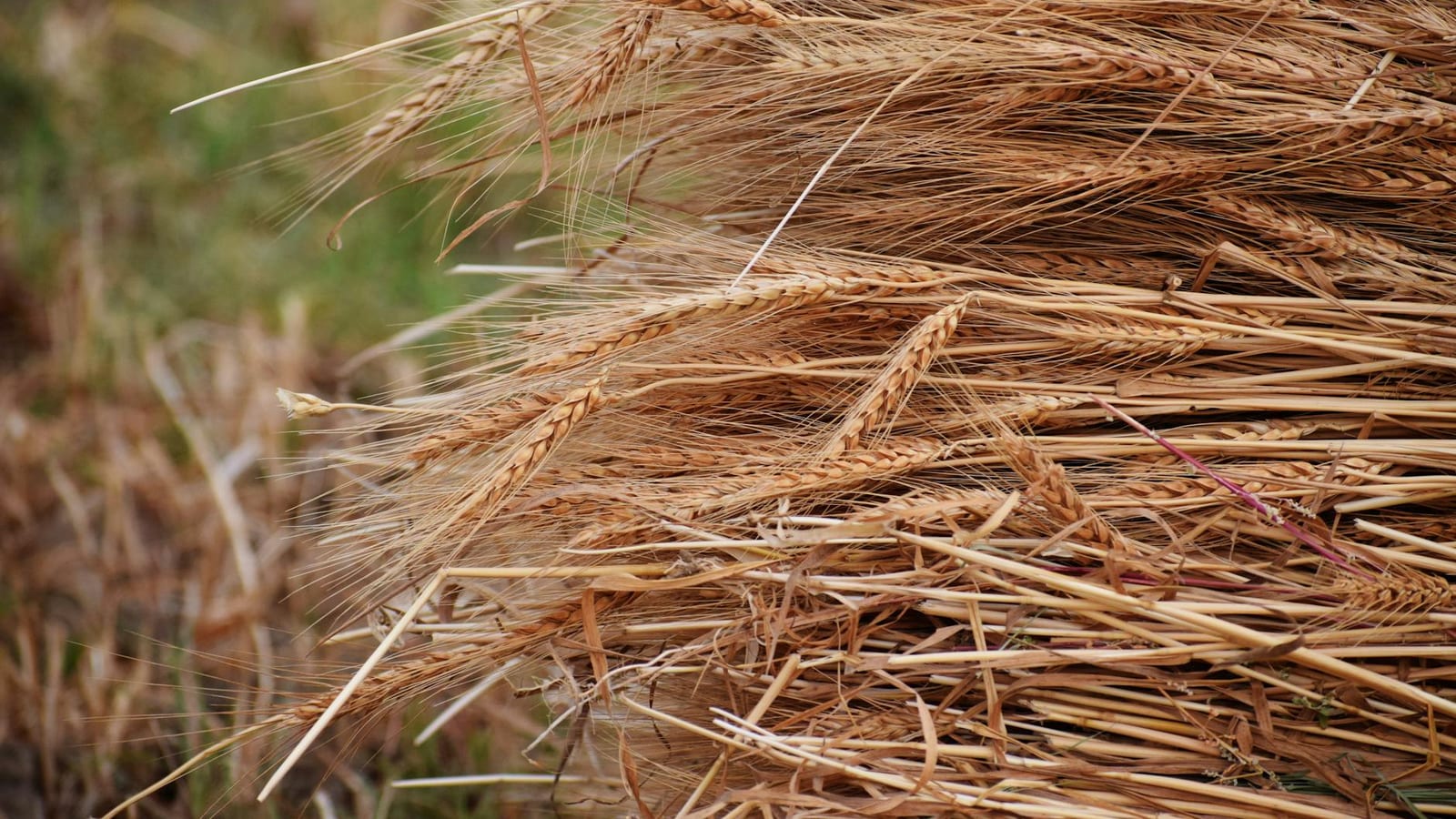
Wheat moved only a few cents in Chicago, but the signal was louder than the price.
When a crop rating falls to its weakest level in 30 years, traders stop looking at screens alone. They start looking at soil, rainfall maps, shipping routes, and the next grocery bill.
For Indian readers, this may look like a distant American farm story. It is not. Global grain prices rarely stay politely inside national borders.
Wheat traders read the drought
Wheat futures on the Chicago Board of Trade rose on Tuesday after the US Department of Agriculture cut its winter wheat crop rating again.
The USDA said only 27 percent of America’s winter wheat crop was in good or excellent condition as of Sunday. That was down one percentage point from the previous week.
The bigger point is the time frame. This is the weakest rating for this stage of the season since 1996. In market language, that says supply risk has moved from worry to hard evidence.
The crop under stress is hard red winter wheat, grown mainly in the US Plains. This is the wheat used for bread. When that belt gets too dry, flour markets pay attention.
CBOT July soft red winter wheat ended 2.75 cents higher at $6.6725 a bushel. A bushel is a standard grain measure. For wheat, it is roughly 27.2 kg.
That price move looks small. But commodity markets often whisper before they shout. A few cents can tell flour millers, exporters, and food companies that risk is building.
Why Indian consumers should care
India is not sitting helpless before American wheat prices. The country has its own wheat crop, procurement system, stocks, and price controls.
Still, global wheat prices matter. They shape expectations, trade decisions, and government comfort levels. They also influence how traders price risk across food commodities.
For a household in India, the link is not always direct. Atta prices do not jump because Chicago wheat rose overnight.
But if drought hurts supply in one major exporting region, buyers look elsewhere. That can tighten the global market. Over time, it can add pressure to food inflation.
Food inflation hits differently from stock market losses. A falling portfolio hurts investors. Rising grain prices affect everyone who buys flour, bread, biscuits, noodles, or packaged snacks.
For a kirana store owner in a tier-2 city, even a small wholesale increase matters. Customers notice when a monthly ration bill rises by ₹50 or ₹100.
For policymakers, wheat prices also carry political weight. Food is not just another commodity in India. It sits inside household budgets, election debates, and welfare planning.
That is why grain markets deserve attention even when the headline comes from Chicago, not Delhi.
China demand keeps markets guessing
The wheat rally did not become a larger grain rally. Soybean and corn prices slipped by the close.
CBOT July soybean futures ended 3.5 cents lower at $12.095 a bushel. July corn closed 1.75 cents lower at $4.7525 a bushel.
That tells us something useful. Traders liked the wheat supply story, but they were less convinced about demand across grains.
The big demand question is China. The White House said China has committed to buying at least $17 billion of US farm products in 2026, 2027, and 2028.
That followed Donald Trump’s visit to Beijing last week. Traders and analysts expect that pledge could lift China’s US farm imports to about $28 billion to $30 billion a year.
That would be far better than last year’s $8 billion. It would also beat the $24 billion figure from 2024.
But it would still sit below the 2022 peak of $38 billion. So the market is not treating this as a return to the old trade boom yet.
China’s commerce ministry said Beijing and Washington agreed to expand agricultural trade. It also pointed to tariff reductions and work on market access issues.
That sounds promising. But traders want shipping volumes, purchase dates, and tariff details. Markets trust cargoes more than statements.
Funds cap the grain rally
There was another reason prices did not run away. Fund selling kept a lid on gains after Monday’s rally.
In plain English, large financial investors sold into the rise. These are not farmers or flour millers. They are funds trading commodities as an asset class.
When funds sell, they can soften even a strong supply story. That appears to have happened across grains and soybeans on Tuesday.
This matters for retail investors because commodity prices now move on two tracks. One track is physical reality, like drought and crop damage. The other is financial positioning.
Sometimes both move together. Sometimes they fight each other.
A bad crop can push prices up. But if big funds decide to book profits, the rise can slow. That creates confusing market days.
For Indian investors, this is a reminder about commodity-linked stocks. Agri processors, food companies, fertiliser firms, and exporters do not move only on one headline.
Input costs, currency moves, freight rates, and government rules all matter. A wheat price rise in the US may help one company and hurt another.
Food companies face the clearest pressure. If raw material costs rise, they must choose. They can raise prices, shrink pack sizes, or accept lower margins.
Consumers often see the second option first. The biscuit packet looks familiar, but the weight quietly falls.
The bigger inflation signal
The US drought story lands at a sensitive time for global food markets. Weather has become a financial variable, not just a farming concern.
One dry spell in the US Plains can affect wheat. Poor rains elsewhere can hit rice, sugar, pulses, or oilseeds. Then governments step in with export curbs, stock releases, or import duty changes.
India knows this cycle well. When food prices rise, the Reserve Bank of India watches closely because food has a large weight in inflation.
High food inflation can delay interest rate cuts. That matters for home loans, car loans, and business borrowing.
So a wheat crop rating in America can sit several steps away from an Indian EMI. But the chain exists.
First comes crop stress. Then comes higher global price risk. Then traders adjust. Then governments worry about inflation. Then central banks grow cautious.
That is why market watchers track these reports with such care. The USDA’s weekly crop rating is not glamorous, but it can move money.
The immediate story is simple. US wheat is under pressure from drought. Chicago wheat prices rose. Soybean and corn prices fell as traders waited for proof of Chinese buying.
The deeper story is more useful. Food markets are becoming more sensitive to weather, politics, and trade deals at the same time.
For ordinary Indians, the lesson is not to panic over one trading session. It is to understand the direction of travel. A dry field in Kansas can still travel, slowly and quietly, into an Indian kitchen.