US Treasury Yield Jump Hits Wall Street Stocks
Wall Street edged lower as US Treasury yields rose on inflation concerns, pressuring tech stocks and global equity sentiment.
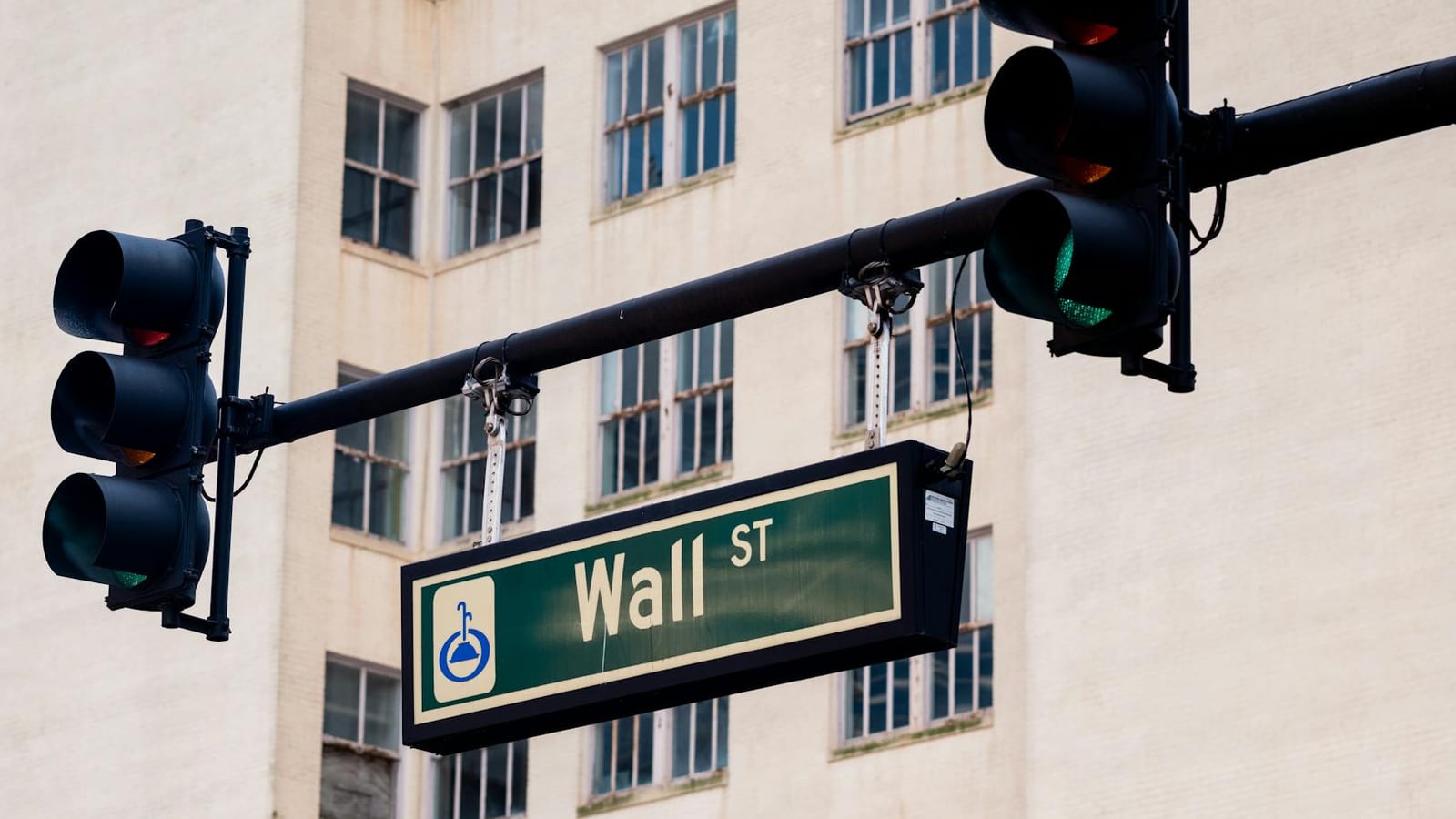
A small move in US bond yields can quietly shake a Mumbai demat account.
That is what happened on Tuesday, when Wall Street slipped after investors began worrying that inflation may stay stubborn for longer. The fall was not dramatic. But the reason behind it matters for Indian investors.
The Dow Jones Industrial Average fell 0.15 percent, the S&P 500 lost 0.19 percent, and the Nasdaq Composite dropped 0.30 percent. For someone holding ₹5 lakh in US-focused funds, that is roughly a ₹750 to ₹1,500 paper knock in one session, depending on exposure.
Bond yields spook Wall Street
The real action was not in stocks. It was in US government bonds.
The 10-year US Treasury yield rose to 4.687 percent, its highest level since January 2025. Later, it cooled slightly to around 4.65 percent. A bond yield is simply the return investors demand for lending money to the government.
When that return rises, stocks start looking less attractive. Why take high risk in shares if safer bonds pay more?
That is why tech stocks often feel the pressure first. Their prices depend heavily on profits expected many years later. Higher yields make those future profits look less valuable today.
Ben Sullivan of AE Wealth Management said yields were driving the market story. He pointed to investor concern that inflation and oil prices may stay higher for longer than expected.
That one phrase, “higher for longer,” is enough to make traders nervous. It means borrowing costs may not fall soon. In some cases, they may even rise.
Oil keeps inflation fears alive
The inflation worry has one big reason, oil.
Brent crude dipped 1.4 percent on Tuesday, but still traded above $110 a barrel. That is expensive oil by any household’s measure. For India, which imports most of its crude, it matters even more.
Higher oil prices can show up almost everywhere. Petrol and diesel get costlier. Transport becomes expensive. Vegetables, packaged goods, and airline tickets can all feel the heat.
The market is watching tensions around Iran and the Strait of Hormuz. That narrow sea route carries a large share of global energy supplies. Any threat there can push crude prices higher within hours.
Donald Trump said the United States may need to strike Iran again, while also saying Tehran wanted a deal. US Vice President JD Vance said both sides had made progress and did not want military action to restart.
Markets dislike this kind of uncertainty. They can handle bad news better than unclear news. With oil above $110, traders are pricing in the risk that inflation may not cool quickly.
For Indian readers, this is not some faraway Wall Street headache. If oil stays high, it can pressure the rupee, widen India’s import bill, and complicate the Reserve Bank of India’s inflation fight.
Fed rate bets turn sharper
The next worry is the US Federal Reserve.
Traders have started assigning higher odds to a rate hike later this year. CME Group’s FedWatch tool showed a 40 percent chance of a 25 basis point increase in December. One basis point is one-hundredth of a percentage point.
The probability of a bigger 50 basis point hike rose to nearly 14 percent. A week earlier, it was just 4.7 percent.
That is a sharp shift in mood. Investors had spent months hoping the Fed would move toward easier money. Now they are asking whether inflation will force the Fed back into tightening mode.
The Fed’s meeting minutes, due Wednesday, will be watched closely. Investors want to know whether policymakers are still leaning toward rate cuts, or moving to a neutral stance.
For India, US rates matter because global money follows returns. If US yields rise, foreign investors may pull money from emerging markets. That can pressure Indian equities and the rupee.
A weaker rupee makes imported goods costlier. It also affects students paying foreign fees, families planning overseas travel, and companies with dollar debt.
Tech trades lose their shine
The Nasdaq’s 0.30 percent fall looks modest. But the weakness inside the market told a sharper story.
Software stocks reversed after rising earlier in the session. The S&P 500 software index ended down 1 percent, after gaining almost 2 percent intraday. That swing shows how fragile confidence has become.
The Philadelphia Semiconductor Index did better, rising about 1.4 percent after falling more than 3 percent earlier. That rebound came before a key test for the AI trade.
Nvidia is due to report earnings on Wednesday. Investors want proof that demand for AI chips remains strong enough to support rich valuations across the sector.
This matters because AI has carried a large part of the US market rally. If Nvidia delivers, investors may breathe easier. If it disappoints, the selloff could spread across chipmakers, software companies, and AI-linked stocks.
Indian retail investors now own more global tech exposure than before. Many hold US index funds, Nasdaq ETFs, or Indian IT stocks that move with global tech sentiment.
So Nvidia’s result is no longer just a Silicon Valley event. It can affect SIP portfolios in Bengaluru, Pune, Gurugram, and Hyderabad.
Market breadth sends a warning
The headline index moves were small, but market breadth looked weak. That means more stocks fell than rose.
On the New York Stock Exchange, falling stocks outnumbered rising ones by more than two to one. On the Nasdaq, 2,803 stocks declined while 1,883 advanced.
This is worth watching. Sometimes an index hides weakness because a few large stocks hold it up. But when many smaller stocks fall together, investors are usually turning cautious.
Six of the 11 major S&P 500 sectors ended lower. Communications services and consumer discretionary stocks dragged the index most. Healthcare, a defensive pocket, rose 1.2 percent.
That defensive move is familiar. When investors worry about rates, oil, and war risk, they often shift toward companies seen as steadier. Medicines and hospitals do not depend on consumer mood as much as cars, holidays, or luxury goods.
Akamai Technologies fell 2.8 percent after announcing a $2.6 billion convertible bond offering. A convertible bond is debt that can later turn into shares. Investors often worry such deals may dilute existing shareholders.
For Indian investors, the message is simple. This is not yet panic. But it is no longer a one-way risk rally either.
The market is asking three plain questions now. Will oil cool? Will the Fed stay patient? Will AI earnings justify the hype?
Until those answers come, portfolios may feel jumpy. Ordinary investors do not need to react to every Wall Street wobble. But they should remember one old rule: when borrowing costs rise, expensive stories need stronger proof.