US inflation shock hits AI chip stocks and global tech funds
Hotter US inflation triggered a sharp selloff in AI chip stocks, raising rate worries for Indian investors exposed to Nasdaq ETFs and global tech funds.
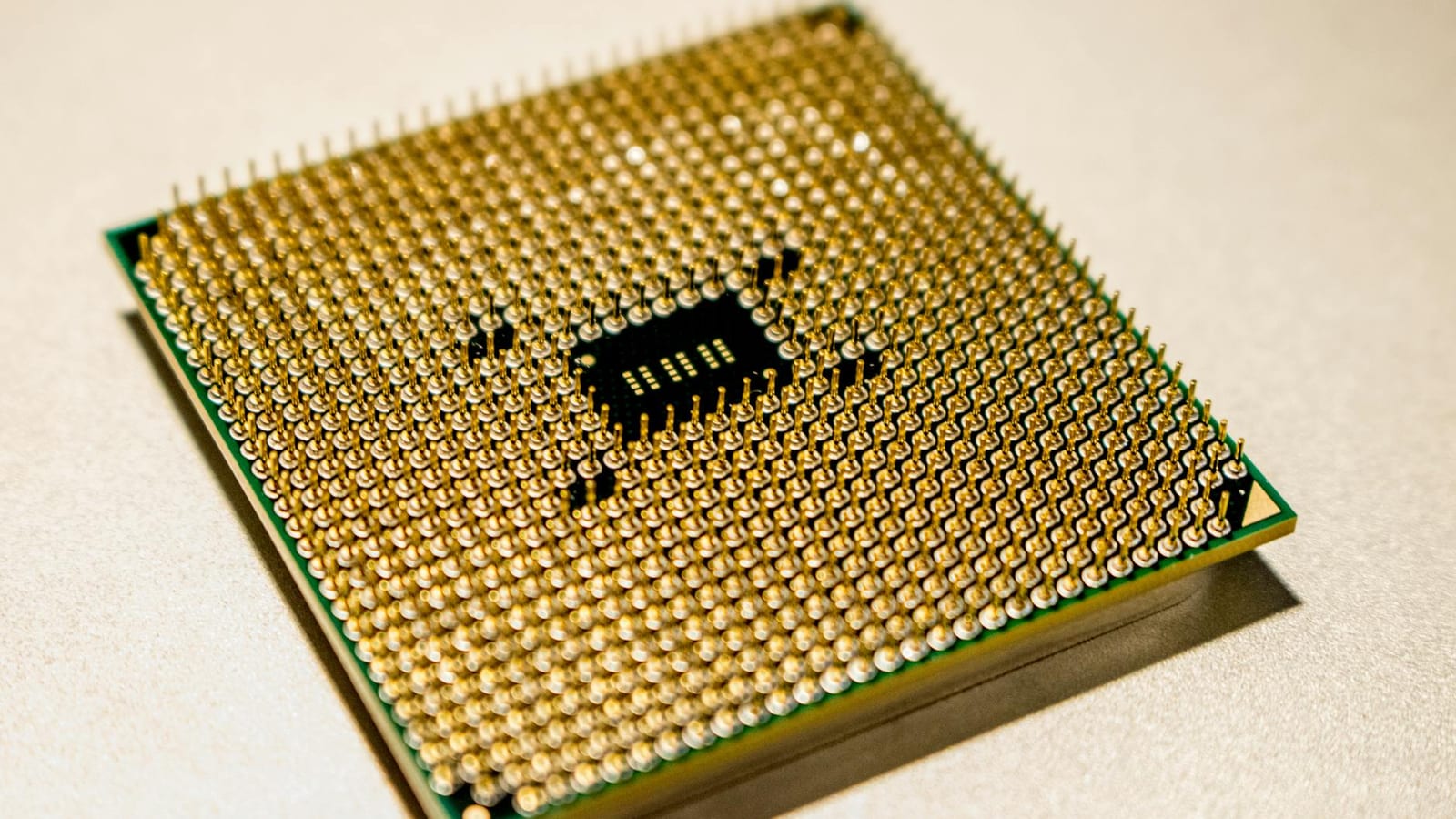
A 15 percent fall in one chip stock can feel distant from Dalal Street. But when that stock is Qualcomm, and the trigger is US inflation, Indian investors should pay attention.
The AI rally has looked almost unstoppable for months. On Tuesday, May 12, it suddenly looked very human.
Chip stocks in the US tumbled after hotter inflation data revived fears of higher interest rates. For Indian investors holding US tech funds, Nasdaq ETFs, or global mutual funds, this was not just a Wall Street wobble.
AI stocks meet inflation reality
The Nasdaq-100 fell 2.3 percent during Tuesday’s trade, touching an intraday low of 28,648. That move erased a good part of its recent AI-led gains.
The fall came after US data showed annual inflation rose to 3.8 percent in April 2026. In March, it stood at 3.3 percent. That jump matters because inflation decides how expensive money becomes.
When prices rise too fast, the Federal Reserve usually has less room to cut interest rates. Sometimes, it may even raise them. Higher rates hurt expensive growth stocks first, because investors demand better returns for taking risk.
That is why chip stocks felt the pressure. Qualcomm dropped as much as 15 percent to $202.50. Intel, Micron Technology, Marvell Technology, and Advanced Micro Devices fell more than 6 percent each.
Nvidia also slipped 1.6 percent. That looks modest, but Nvidia now carries huge market weight. Even a small move in such a stock can shake index sentiment.
Oil shock changes the maths
The inflation scare did not appear from nowhere. The Iran conflict has pushed Brent crude nearly 50 percent higher from pre-war levels near $70 a barrel.
That is a big problem for the global economy. Expensive oil raises transport costs, airline fuel bills, factory expenses, and household energy prices.
For India, this always lands close to home. India imports most of its crude oil. If oil stays high, the rupee feels pressure, fuel prices become harder to manage, and inflation risks rise.
A family may not track Brent crude daily. But it feels the result through petrol bills, delivery charges, and grocery prices.
The US bond market also reacted. Two-year Treasury yields moved towards their highest levels since June. Money markets priced in nearly a 70 percent chance of a Fed rate hike by April 2027.
That single expectation can change global flows. When US yields rise, money often moves back into safer dollar assets. Emerging markets then face pressure, including India.
Why chip stocks cracked
The AI trade has depended heavily on semiconductors. Since ChatGPT made artificial intelligence mainstream, chipmakers have become the market’s favourite story.
Vested Finance said semiconductors have formed the backbone of this rally. That is a fair reading. AI needs chips, data centres need chips, and cloud companies need more computing power.
But markets often get ahead of themselves. When everyone crowds into the same trade, even good companies become vulnerable.
That is what happened on Tuesday. Investors did not suddenly decide AI has no future. They decided prices may have run too far, too fast.
The Nasdaq-100 had surged 16 percent in April. That was its biggest monthly gain in six years. The index also hit several records after strong corporate earnings revived confidence.
Even after Tuesday’s fall, it remained up 4.21 percent so far in May. So this is not a collapse yet. It is a warning shot.
Retail investors should read it that way. A stock can have a strong business and still be expensive. Both things can be true at once.
Indian investors should watch spillovers
For Indian investors, the first impact may show up in international funds. Many portfolios now include US tech exposure through mutual funds, ETFs, or brokerage platforms.
If someone has ₹5 lakh in a US tech-heavy fund, a 2.3 percent fall means a paper loss of about ₹11,500 in a day. That is not panic territory. But it is enough to remind investors that global diversification still carries volatility.
There is also an indirect effect on Indian IT and tech sentiment. When US tech stocks fall, investors often review valuations everywhere. Indian software exporters, startup-linked names, and platform companies can face questions too.
The bigger concern is interest rates. If the Fed stays hawkish, the Reserve Bank of India gets less comfort. A weaker rupee can make imported inflation harder to control.
That matters for home loan borrowers and businesses. If rate cuts get delayed, EMIs stay heavy. Small firms also pay more for working capital.
A kirana store owner may not care about Qualcomm’s share price. But if transport costs rise and loan rates stay high, the pressure reaches his shop.
The crowded AI trade faces questions
The market also has another worry now: concentration. Too much of the global rally sits in a small group of AI-linked winners.
That can work brilliantly while money flows in. It becomes risky when investors rush for the exit together.
South Korean chip stocks also came under pressure after worries about possible new taxes on AI-related profits. Samsung Electronics and SK Hynix felt that nervousness.
This shows how sensitive the AI trade has become. A tax rumour, an inflation number, or an oil spike can quickly hit valuations.
The key question is simple. Are investors buying future earnings, or just buying the story?
AI will likely keep reshaping business. But markets do not move in straight lines. They price hope first, then demand proof.
For ordinary Indian investors, the lesson is not to run away from technology. It is to avoid treating any theme as risk-free.
A sharp rally can make everyone feel clever. A hot inflation print can bring the bill to the table. The next few months will show whether AI stocks can grow into their prices, or whether investors need to relearn an old market rule: even the best stories must survive higher costs, dearer money, and a nervous world.