UAE quits OPEC: what Abu Dhabi's exit means for Indian wallets
The UAE has walked out of OPEC after six decades, a move that could ease crude prices, lower India's import bill and reshape Gulf energy politics.
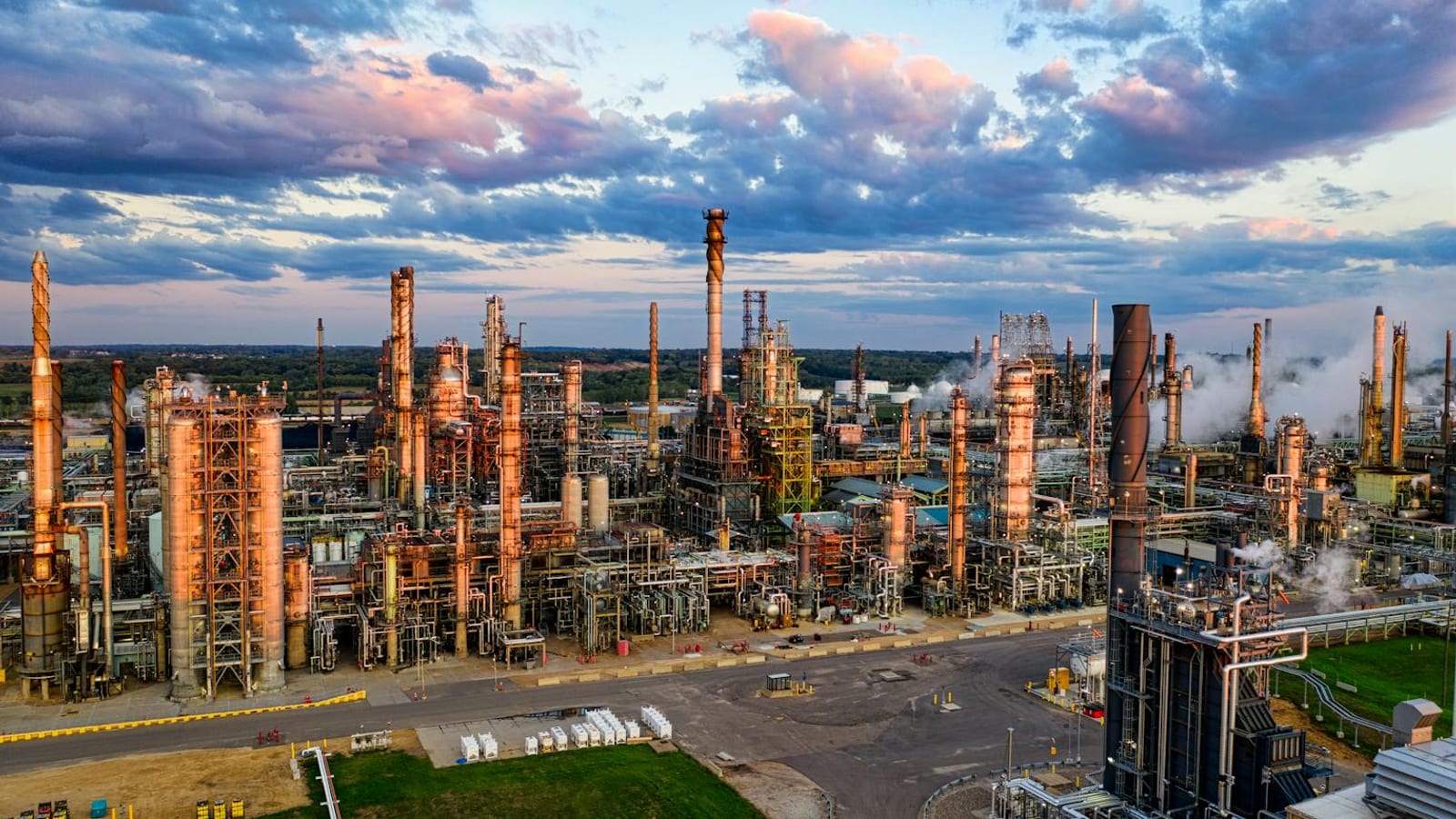
Oil tankers sit anchored outside a closed Strait of Hormuz. And while the world watches that chokepoint, the United Arab Emirates has quietly done something almost as significant. It has walked out of OPEC, the cartel that has run the global oil price for six decades.
For a family filling petrol at a Mumbai pump, this is the kind of news that takes weeks to reach the wallet. But reach it will.
The UAE is OPEC’s fourth-largest producer, behind Saudi Arabia, Iraq and Iran. Its production capacity is close to five million barrels a day. That is second only to Saudi Arabia. But the cartel’s quota system held it down to roughly 3.5 million. According to El País, that gap had become a chronic source of frustration for the emirate.
With Hormuz shut by the regional conflict, none of this hits the market immediately. The UAE is currently shipping only about two million barrels a day through the Fujairah pipeline, which bypasses the strait and ends in the Gulf of Oman. The country built that pipeline precisely as insurance against this kind of crisis.
The real shift comes when the strait reopens. That is when the UAE plans to pump more than its old quota allowed. More crude entering global markets usually means lower prices.
For Indian retail investors, this matters. Oil-marketing companies like Indian Oil, Bharat Petroleum and Hindustan Petroleum tend to benefit when crude eases. Their refining margins fatten. Dividend visibility improves. Aviation stocks like IndiGo breathe easier when jet fuel costs drop. Paint companies, whose raw materials are oil derivatives, see their margins improve too.
For the household, the maths is even simpler. India imports roughly 85 percent of the crude it burns. Every dollar drop in the global price shaves a meaningful chunk off the country’s import bill. That eases pressure on the rupee, which keeps the cost of imported electronics, edible oils and pulses from creeping up.
But Emirati officials have already moved to calm the market. They have signalled that any production increase will be gradual. They are not looking for a price war with Saudi Arabia. The UAE has spent years and billions building this extra capacity. It wants to monetise that investment, not torch the price.
That tone matters for Indian savers and borrowers too. If oil were to crash hard, the Reserve Bank of India might find more room to cut interest rates. Lower rates mean lighter EMIs on a ₹50 lakh home loan. But they also mean smaller returns on a senior citizen’s fixed deposit. A gradual decline keeps both the borrower and the saver in familiar territory.
There is a deeper story here, and it is geopolitical.
Other countries have left OPEC before. Angola, Ecuador, Indonesia and Qatar all walked away over the years. According to El País, none of them were big enough to move the global price board. The UAE is different. It is a heavyweight producer, a major Gulf economy, and one of the most strategically important countries in the region.
Venezuela, traditionally OPEC’s loudest hawk, has been exempt from quotas for years and may itself be heading for the exit door, El País reports.
The UAE’s reasons go beyond barrels. Of all Gulf states, it has taken the hardest line on Iran. It has been the country most heavily hit by Iranian attacks on its energy and tourism infrastructure. It is one of the two Gulf nations that signed the Abraham Accords with Israel. It has tight defence and economic links with the United States, several European countries, South Korea and Australia.
In other words, leaving OPEC is not just an oil decision. It is Abu Dhabi quietly putting more daylight between itself and the Saudi-led bloc, while keeping options open as the region reshapes around the Iran question.
For Indian foreign-policy watchers and investors with exposure to Gulf-linked stocks, this matters. India has deep trade ties with the UAE, including a comprehensive economic agreement signed in recent years. The UAE is also home to one of the largest Indian diaspora populations in the world. Remittances from those workers support millions of households in Kerala, Tamil Nadu, Andhra Pradesh and Punjab.
A more independent UAE energy policy could mean more flexible oil contracts for Indian refiners. It could also mean closer Delhi-Abu Dhabi alignment on regional security, especially as both governments worry about supply disruptions through Hormuz.
The longer-term move to watch is the second Fujairah pipeline. According to El País, the UAE could accelerate that project to roughly double its export capacity that bypasses the strait. If that happens, India’s oil imports become structurally more secure. A second supply lane that does not depend on a single chokepoint is a quiet strategic gain for any importing country.
For now, the immediate price impact is limited. The strait is closed, exports are constrained, and the global oil benchmark is reacting to geopolitical headlines rather than supply fundamentals. The UAE’s exit will not show up at the pump tomorrow.
But the day Hormuz reopens, watch crude carefully. The Bombay Stock Exchange’s Sensex and the National Stock Exchange’s Nifty 50 will see their energy and transport stocks move first. Bond yields will follow. And eventually, a kirana shop owner in a tier-2 city will notice that the cost of getting goods to her store has stopped climbing every month.
OPEC’s grip on the global oil price has been weakening for a decade. Cheaper electric vehicles, a US shale industry that responds to higher prices within months, and now the departure of a heavyweight Gulf producer all chip away at the same wall.
What the UAE has done is not the opening shot of a price war. It is a quieter signal that the cartel’s old discipline is breaking. For Indian households running tight monthly budgets, and for retail investors trying to time the next move in oil-linked stocks, that signal is worth keeping in the back pocket. The next big move in your fuel bill, your airline ticket and your home-loan EMI may all trace back to a decision taken in Abu Dhabi this week.