Rupee hits record low at 94.92 as RBI weighs rate hike risk
The Indian rupee fell to a record 94.92 per dollar as $26 billion in FII outflows and Iran-driven oil cost spikes force the RBI to weigh a rate hike.
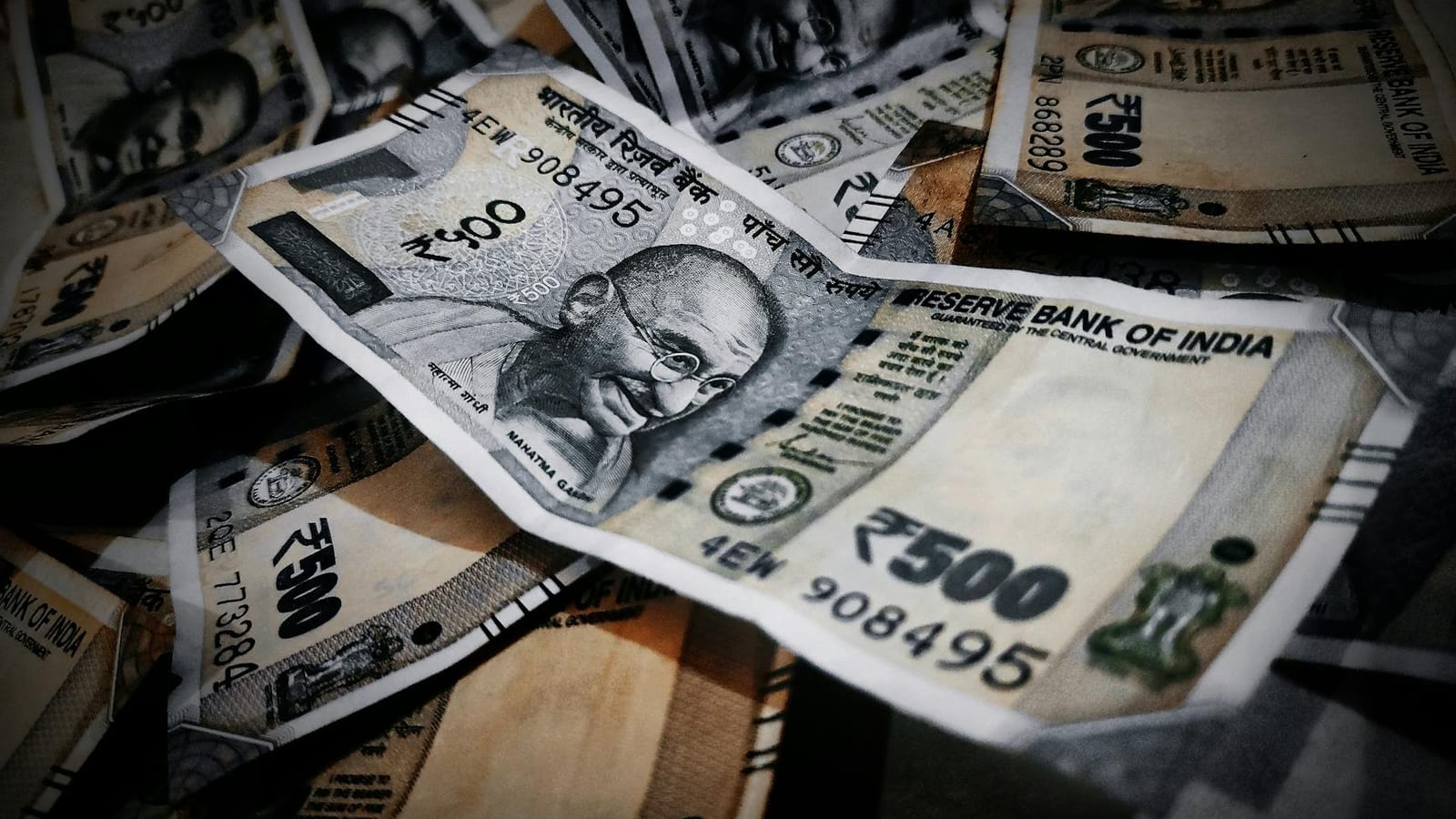
The number that matters right now is 94.92. That is how many rupees it cost to buy one US dollar at Thursday’s close. It is a record low, and it is not stopping there.
Something has shifted. The rupee has been sliding for months, but the Iran conflict that broke out in early March has turned a slow bleed into something faster and more worrying. Fuel import costs have spiked. The Hormuz Strait, which handles a significant chunk of the world’s oil and gas shipping, is now a choke point under pressure. And global investors, already jittery, have been pulling their money out of Indian markets at a pace that should give everyone pause.
The numbers tell the story plainly. Foreign institutional investors have pulled out $26 billion from Indian equity markets over the past year. Of that, $20 billion has left since January alone. When that much dollar money exits the country, the rupee takes the hit. It is simple supply and demand.
So what does this mean for you, practically?
If you have a home loan, pay attention. The Reserve Bank of India has been in easy-money mode since December 2024, when Governor Sanjay Malhotra took charge. Under his leadership, the RBI cut interest rates by 125 basis points over several months, that is 1.25 percentage points. It also pumped ₹20 lakh crore worth of liquidity into the banking system. The intention was to keep borrowing cheap and push economic growth.
That generous posture may now be coming to an end.
The RBI has so far held firm on not hiking rates. But with the rupee brushing 95 to the dollar and threatening to test 100, the central bank faces a hard choice. Raise rates to defend the currency. Or watch the rupee slide further while inflation creeps back up.
A rate hike of even 50 basis points would push home loan EMIs higher. On a ₹50 lakh loan over 20 years, a half-percentage-point increase adds roughly ₹1,500 to ₹1,700 to a monthly payment. That might sound manageable in isolation. Stack it against rising LPG costs (currently ₹993 a cylinder), higher grocery bills from a summer heat wave hammering vegetable supply, and the broader sense that everything is getting pricier, and you start to see the pressure building on household budgets.
The Finance Ministry understands this clearly. Officials there have expressed concern that a rate hike would dampen consumption, the engine that has kept India’s growth story running even as global headwinds mounted. There is a real tension here. The RBI wants to protect the currency. The Finance Ministry wants to protect growth. Both are valid priorities now pulling in opposite directions.
India is not alone in this bind. The Thai baht, Philippine peso, and Indonesian rupiah have all come under similar pressure as the Iran conflict rattled Asian currency markets. But India’s situation has its own specific vulnerabilities that make the rupee story more complicated than a simple “global problem” narrative.
Fuel imports are a major one. India imports roughly 85 percent of its crude oil. When oil prices spike and the rupee weakens simultaneously, the cost of running the country’s energy supply goes up sharply. The government has so far blocked state-owned oil companies from passing this increase on to consumers at petrol pumps. That relief cannot last forever. When fuel prices do rise, and they will, the ripple effect on transport, food, and manufacturing costs will show up quickly.
Inflation had been well-behaved. The March reading came in at 3.4 percent, comfortably within the RBI’s target band. But a brutal heat wave in April and the prospect of a below-normal monsoon are already raising food price concerns. Vegetables and cereals are particularly vulnerable. If inflation starts climbing toward 5 percent or beyond, the RBI’s hand may be forced even without the currency pressure pushing it.
The banking sector adds another layer of complexity. Credit growth had been running at a healthy 14.5 percent before the current crisis. Banks were lending, businesses were borrowing, the cycle was working. A rate hike interrupts that. Businesses borrow less, expansion slows, hiring moderates.
Public sector banks face a particular risk. They have significant exposure to micro, small, and medium enterprises, the backbone of India’s employment story. Over 25 percent of the non-performing loans at these banks already come from the MSME sector. If rate hikes make it harder for small businesses to service existing debt and take new loans, that bad-loan number could climb further. Private banks are more insulated. But public sector banks, which serve a much wider slice of the population, could feel real stress.
The RBI has also been pushing banks to set aside more money in advance to cover potential future loan losses. That provisioning requirement, while prudent, tightens how much banks can lend at any given time. Combine that with higher interest rates and you have a meaningful brake on the credit engine.
What happens next depends on a few unknowns. How long does the Iran conflict drag on? Does the Hormuz situation stabilize or worsen? Will the monsoon cooperate this year?
If the currency continues its slide toward 100 to the dollar, the RBI will likely have no choice but to act. Analysts who watch the central bank closely argue that waiting too long risks a sharper deterioration that becomes harder to reverse. The consequences of inaction can be worse than the short-term pain of a rate hike.
For ordinary households, the message is this: the era of cheap borrowing that sustained home purchases, car loans, and personal credit over the past year is likely drawing to a close. The cost of a geopolitical crisis thousands of kilometres away lands, eventually, on the doorstep of every Indian family managing a monthly budget. Getting ahead of that reality, whether by locking in fixed rates where possible or trimming discretionary borrowing, is one of the few levers individuals actually control.
The RBI and the Finance Ministry will manage what they can. The rest lands on us.