Rupee at record low as costly crude strains imports
The rupee's 7% fall is raising overseas costs for families and companies as expensive crude lifts dollar demand and widens India's import bill.
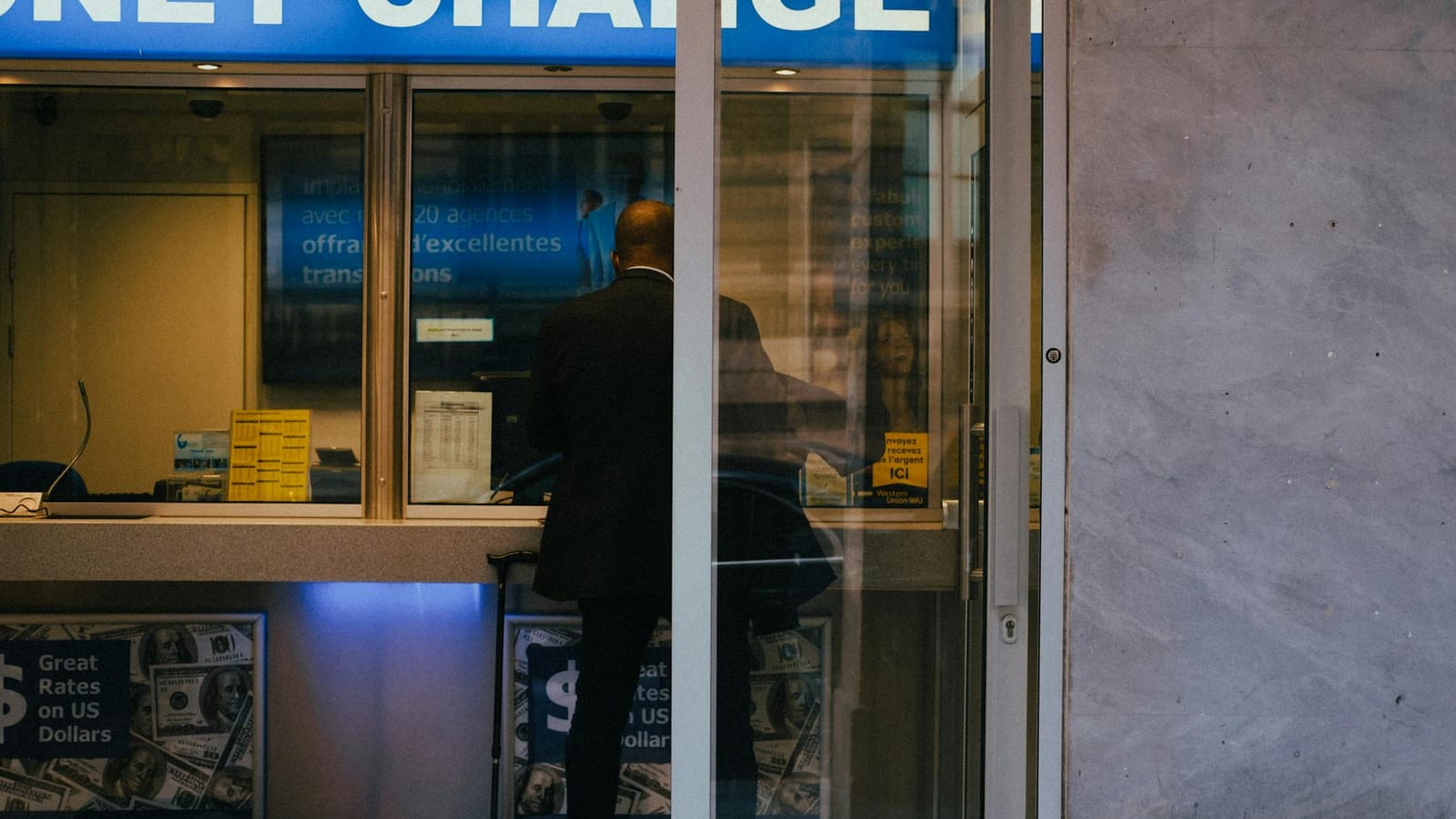
For anyone planning a foreign degree, an iPhone purchase, or a summer trip abroad, the rupee’s fall is no longer market noise.
On Tuesday, the Indian rupee touched 96.6150 against the US dollar, a record low. That means every dollar now costs far more than it did at the start of the year.
The currency has lost about 7 percent in 2026. In plain terms, a family paying $50,000 in overseas tuition faces a much bigger rupee bill, even before fees rise.
Oil is doing the damage
The immediate pressure comes from expensive crude oil. Brent crude has stayed above $100 a barrel for nearly three months.
That hurts India more than many countries because India imports most of its oil. When crude gets costlier, oil companies need more dollars to pay suppliers.
That extra dollar demand pushes the rupee down. It also forces the Reserve Bank of India to decide how much support it wants to provide.
The maths is uncomfortable. Analysts estimate every $10 rise in crude adds roughly $12 billion to $15 billion to India’s import bill.
That widens the current account deficit. Put simply, India spends more dollars on imports than it earns from exports and remittances.
For ordinary households, this travels slowly but surely. Fuel costs, transport bills, airline fares, and imported goods all feel the pressure.
The problem began earlier
The US-Iran war has made things worse, but it did not create the whole problem.
Anindya Banerjee, Head of Commodity and Currency Research at Kotak Securities, said the rupee was already weak before West Asia flared up.
Between July 2025 and February 2026, the dollar moved from about 83.5 rupees to 88 rupees.
That fall came from a stronger dollar, US tariff worries, and debt outflows after the JPMorgan bond index inclusion cycle.
The West Asia crisis then added what traders call a risk premium. Banerjee estimates this premium at about 7 to 8 rupees.
That is why a ceasefire may help, but not fully heal the currency. The rupee may recover some ground, yet early 2025 levels look distant.
Banerjee expects the currency could move toward 90 to 92 if the conflict eases and shipping normalises.
But he also expects it to settle in the low 90s, not return near 84 or 85 quickly.
That is the key point investors must not miss. Oil can cool, but structural weakness can remain.
Foreign money has stepped back
Crude is only one part of the story. Foreign portfolio investors have pulled out about Rs 2.2 lakh crore in 2026.
These investors buy Indian shares and bonds. When they leave, they sell rupees and take dollars out.
Weak foreign direct investment has added to the pressure. FDI is stickier money, usually linked to factories, offices, and long-term projects.
When both kinds of foreign money slow, the currency loses an important cushion.
Vinit Bolinjkar, Head of Research at Ventura, said a ceasefire could improve sentiment and support foreign flows.
But he also said the recovery would likely be gradual. In his view, the weakness now looks partly structural.
There is also the dollar itself. Higher US interest rates have kept money parked in America.
When US rates look attractive, global investors often prefer dollar assets. Emerging market currencies, including the rupee, then face pressure.
Banerjee said softer US growth or signals of rate cuts from the Federal Reserve could help currencies like India’s.
That means Indian households are now tied to decisions made in Washington, oil routes near Hormuz, and fund flows in Mumbai.
The 100 mark is now visible
Currency traders are watching one number closely: 100 rupees to a dollar.
That level still does not look like the base case for many analysts. But it is close enough to demand attention.
Banerjee sees two broad paths. In the better case, the conflict eases this month and Hormuz reopens in May.
Oil could then drift toward $80 as supplies improve. The rupee could move back toward 90 to 92.
In the worse case, the conflict drags into June and July. If Hormuz stays blocked, oil could climb toward $140 or $150.
That would put real pressure on the currency. Banerjee said the rupee could then test 100, depending on oil supplies.
He also expects heavy RBI intervention if the rupee nears 99 or 100. The central bank may also announce steps to attract more dollars.
Bolinjkar offered a similar range. He said recovery toward 88 to 90 needs oil below $80 and progress on trade.
On the weaker side, 97 to 100 becomes possible if oil stays above $115 and capital continues leaving India.
For retail investors, this matters beyond currency charts. A weaker rupee can lift earnings for exporters, especially IT and pharma firms.
But it can hurt companies that import fuel, machinery, or electronic parts. Airlines, paint makers, and some consumer firms feel this quickly.
For savers, the impact is mixed. Gold may get support, foreign travel gets costlier, and imported gadgets become harder to justify.
For borrowers, inflation is the bigger worry. If imported fuel costs rise, price pressure can complicate future rate cuts.
That could affect home loan EMIs, business loans, and fixed deposit returns over time.
The rupee’s next move now depends on oil, foreign flows, US rates, and RBI action. For ordinary Indians, the lesson is simpler. A falling currency quietly changes the price of education, travel, fuel, gadgets, and investments. The number on the forex screen may look distant, but it often reaches the monthly budget before we notice.