Rupee and oil costs face pressure from Iran talks
The dollar swung around Iran deal reports, keeping pressure on the rupee, oil import costs and inflation expectations for Indian consumers.
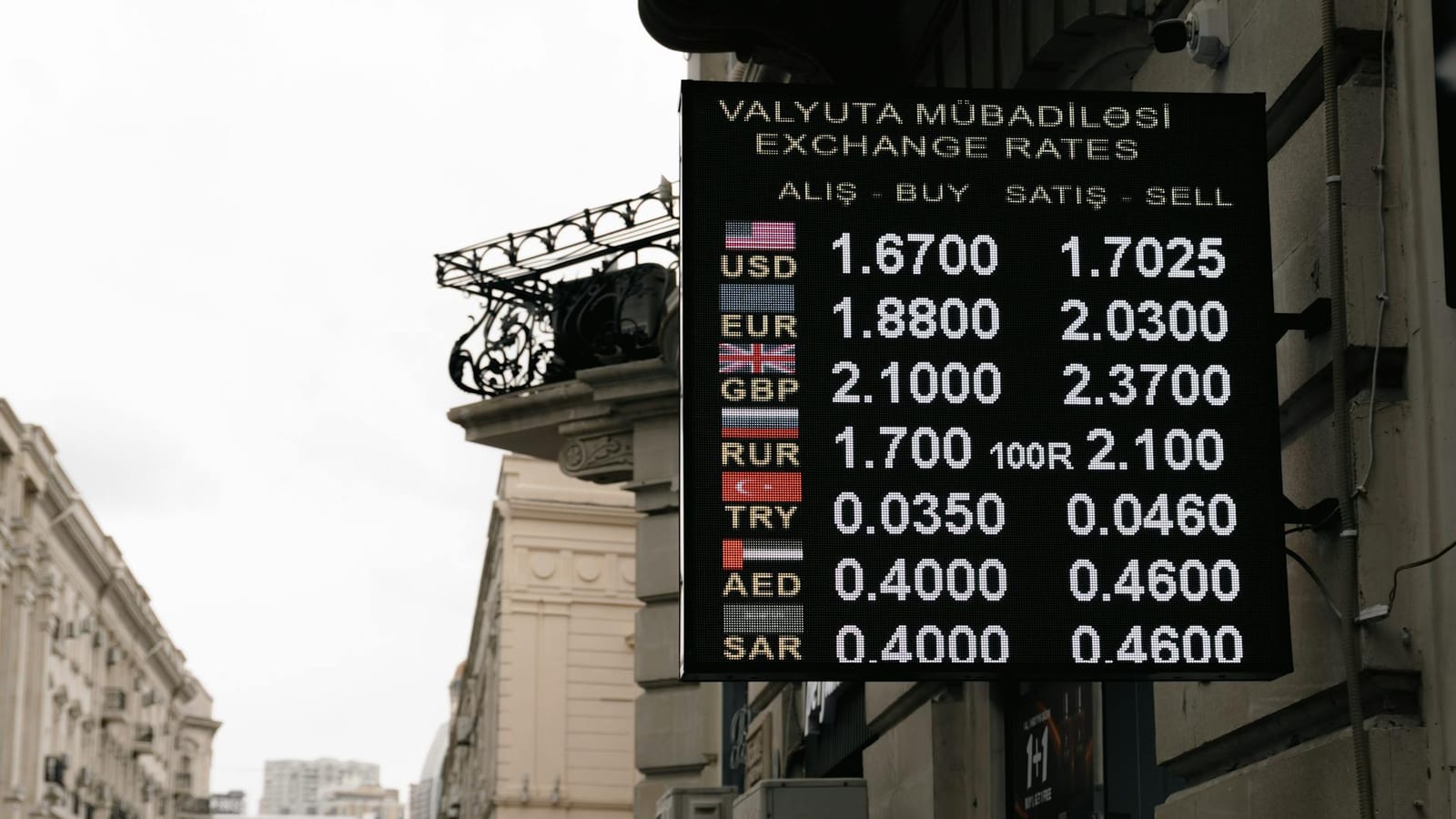
The dollar had a confused Thursday, and that confusion matters far beyond currency desks.
One moment, traders bought the greenback as talks around Iran looked uncertain. The next, they sold it after fresh signals suggested Washington and Tehran may be closer to a deal.
For Indian households, this is not some distant Wall Street twitch. A stronger dollar can make oil imports costlier, push the rupee lower, and quietly raise pressure on fuel, travel, gadgets, and inflation.
Dollar swings on Iran signals
The U.S. dollar index, which tracks the greenback against major currencies, ended almost flat at 99.13. But the calm closing number hides a choppy session.
The dollar first climbed to a six-week high after reports suggested Iran had moved to block exports of its near-weapons-grade uranium. Traders read that as a sign that a quick diplomatic breakthrough may still be difficult.
Later, the dollar gave up those gains after unconfirmed reports suggested Washington and Tehran had agreed on a final draft to end the war. That was enough to cool the safe-haven rush.
President Donald Trump said the U.S. would eventually recover Iran’s highly enriched uranium stockpile. Washington says Iran could use it for a nuclear weapon. Tehran says its programme remains peaceful.
Currency markets hate uncertainty, but they also feed on it. When traders smell geopolitical risk, they usually run toward the dollar.
That is why the dollar often rises during war scares, oil shocks, and banking stress. Investors may grumble about America’s politics, debt, and deficits. Yet in a panic, many still park money in U.S. assets.
Oil shock raises inflation worries
The bigger worry now sits in energy markets. If the Middle East war keeps disrupting supply, oil prices can stay high for longer.
That matters deeply for India. We import most of our crude oil. So, when oil gets expensive and the dollar strengthens together, India feels a double pinch.
Think of it simply. India buys oil in dollars. If oil costs more, the bill rises. If the rupee weakens against the dollar, the same oil becomes even more expensive in rupee terms.
That can show up slowly in petrol, diesel, freight, airline fares, and daily goods. A kirana store owner may not track the dollar index. But transport costs eventually reach his shelves.
In the U.S., officials face a different problem. Higher energy costs can feed into consumer prices and inflation expectations. That means people start expecting prices to rise, and businesses may price goods accordingly.
If that happens, the Federal Reserve may find it harder to cut rates. It may even face pressure to raise them if inflation looks sticky again.
That prospect supports the dollar. Higher U.S. rates make dollar assets more attractive. Investors can earn better returns in U.S. bonds, so money flows toward the greenback.
There is also a growth angle here. The U.S. economy still looks stronger than many peers. Fresh data showed fewer Americans filed jobless claims last week. That points to a labour market that remains firm.
For traders, this is a powerful mix. Stronger growth, sticky inflation, and higher yields all support the dollar. Other economies face weaker demand and heavier energy pain.
Weak PMIs deepen global concern
The day’s economic readings added to that anxiety. Business activity surveys from Europe, Britain, and Japan disappointed traders.
These surveys are called purchasing managers’ indices, or PMIs. They ask companies whether orders, hiring, output, and prices are improving or worsening.
A reading above 50 usually signals expansion. A reading below 50 points to contraction. Markets watch them because they arrive before many official numbers.
In the euro zone, activity shrank at its fastest pace in more than two and a half years. High living costs hurt demand for services, while companies accelerated layoffs.
That is the kind of number which should worry policymakers. Services usually offer some cushion when factories slow. If services also weaken, households have already started pulling back.
Yet the European Central Bank still appears set to raise rates by 25 basis points in June. One basis point is one-hundredth of a percentage point. So, 25 basis points means a quarter percentage point hike.
That sounds small. But for borrowers, even small rate moves matter when loans are large.
In Britain, companies reported the broadest drop in activity in more than a year. Japan’s factories slowed, while services growth stalled for the first time in over a year.
For Indian investors, the lesson is plain. Global growth is not moving in one clean direction. America still looks relatively strong, while Europe and Japan look more exposed to energy pain.
That divergence can keep the dollar supported. It can also keep emerging-market currencies, including the rupee, under pressure.
The euro slipped 0.03 percent to $1.1624. Sterling rose 0.07 percent to $1.3441. These are small moves, but they show how selective traders have become.
Nobody is buying currencies blindly. They are asking which economy can survive higher energy prices, higher rates, and weaker demand.
Yen weakness puts Japan on alert
The Japanese yen remained near a dangerous line. It weakened slightly to 158.92 against the dollar.
That puts it close to the 160 level, which pushed Japan into currency market intervention last month. Intervention means authorities enter the market to support their currency.
Japan faces a tricky problem. A weak yen helps exporters because foreign earnings translate into more yen. But it also raises import costs, especially for energy and food.
That hurts households. It also complicates the job of the Bank of Japan, which has only recently moved away from ultra-low interest rates.
Bank of Japan board member Junko Koeda said rates should rise at an appropriate pace. She pointed to price pressures from the Middle East war, which could push underlying inflation above the central bank’s 2 percent target.
That matters because Japan spent years fighting weak inflation. Now, imported inflation and a weak yen have changed the problem.
The central bank also faces bond market stress. Its investor survey showed some calls to pause its bond taper plan. Tapering means the central bank slows its bond purchases, which can push yields higher.
Sharp moves in Japan’s bond market now make that decision more delicate. Move too fast, and markets may wobble. Move too slowly, and the yen may weaken further.
For India, yen moves may look distant. But they tell us something useful. Major central banks no longer control the story alone. Wars, oil prices, bond yields, and currency pressure now pull policy in different directions.
That is why the dollar’s flat close should not fool anyone. The market had a nervous day, and the nerves remain.
For Indian readers, the next few weeks come down to three signals. Watch whether Iran talks actually reduce energy risk. Watch whether the Federal Reserve sounds more worried about inflation. And watch the rupee, because the currency often carries global stress into our monthly budgets before headlines catch up.