Options Frenzy Fuels Wall Street Rally As Risk Warnings Grow
A sharp S&P 500 and Nasdaq rebound is raising investor concern as heavy call-option buying appears to amplify gains beyond fundamentals and growth cues.
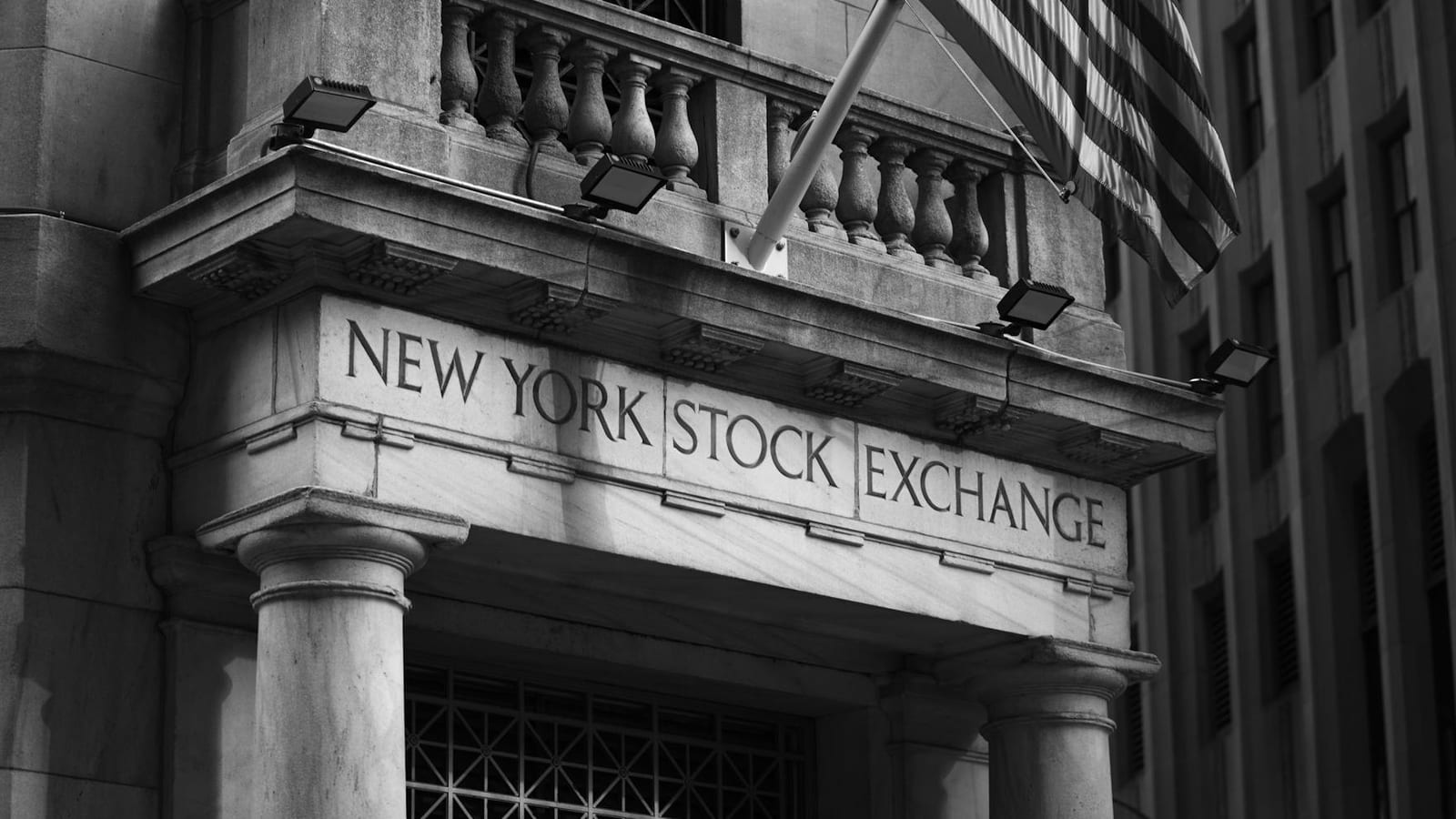
A rally can feel safest just when it starts behaving strangely. That is the uncomfortable lesson from Wall Street this week, where rising stock prices are now sharing space with rising anxiety.
The S&P 500 has jumped nearly 20 percent from its late-March low. The Nasdaq has climbed almost 30 percent from its March 30 bottom. For an Indian investor with a ₹5 lakh US equity fund exposure, that kind of move can mean a paper gain of roughly ₹1 lakh in under two months.
But the concern is simple. Some of this rise may not be coming from better profits, cheaper money, or stronger growth. It may be coming from the options market, where traders are betting aggressively on more upside.
Options frenzy drives the rally
Call options are contracts that let traders buy a stock or index later at a fixed price. They are popular because they offer big upside with limited upfront money.
When too many traders buy calls, the sellers of those options often buy the underlying stocks to protect themselves. That buying can push prices higher. Then more traders pile in. The loop feeds itself.
Market people call this a gamma squeeze. In plain English, it means prices rise because of trading mechanics, not because the economy suddenly improved.
That is why some investors are getting flashbacks to the meme-stock years. Back then, stocks often rose because online excitement and options bets overwhelmed old-fashioned valuation checks.
The difference now is more worrying. This is not just one tiny company with a noisy fan club. The action has reached benchmark indices. US stocks, at the broad market level, have seen a huge burst of call option buying this month.
Big gains, thin comfort
The scale is hard to ignore. Seven of the biggest call-option volume days ever came in the past 10 sessions. Around $45 billion in option premium changed hands on Thursday.
That is not pocket change. It shows traders are paying serious money to chase upside.
The rally has also spread through the glamour end of the market. Chip stocks have surged nearly 70 percent from their lows. The so-called Magnificent Seven tech giants have gained about 25 percent.
For Indian investors, this matters more than it did a decade ago. Many now own US stocks through mutual funds, ETFs, global investing apps, or employee stock plans. A fall in Big Tech no longer stays in New York.
If the Nasdaq drops 5 percent, a ₹5 lakh US tech-heavy portfolio can lose about ₹25,000 before currency moves. If the rupee weakens, the damage may look smaller in rupee terms. If it strengthens, the hit feels sharper.
That is why the headline index level does not tell the full story. A market can rise and still become riskier under the surface.
Inflation and oil add pressure
The timing of this options rush is awkward. US inflation numbers came in hotter than many traders expected earlier this week. That reduces hopes of quick interest rate cuts.
Oil has also climbed. Brent crude futures are up more than 9 percent since last Friday’s close. For India, that number always deserves attention.
India imports most of its crude oil. Higher oil prices can pressure the rupee, widen the import bill, and keep fuel-sensitive inflation alive. Even if petrol prices do not change daily for consumers, the pressure moves through freight, aviation, chemicals, and company margins.
For a household, that can show up slowly. Groceries get harder to cool. Travel costs stay sticky. Companies become careful with hiring or salary hikes.
For markets, higher oil and higher inflation usually mean investors demand better reasons to buy stocks. Yet US equities have kept climbing.
The S&P 500 is still up more than 2.8 percent this month. It has gained more than 25 percent over the past year. The Nasdaq has advanced more than 5.2 percent in May.
That is the odd part. The news flow has not been glowing enough to fully explain the move. Earnings forecasts for the first and second quarters have not changed much since late last month.
Friday expiry becomes the test
The immediate trigger is Friday’s large options expiry. Major index options contracts expire, which can change how dealers hedge their positions.
During the call-buying surge, option sellers likely had to buy stocks to stay protected. Once those contracts expire, some of that forced buying can fade.
That does not guarantee a crash. Markets rarely follow scripts so neatly. But it can remove one invisible support under prices.
Some traders appear to be moving early. The S&P 500 fell around 74 points, or 0.9 percent, in early Friday trade. The Nasdaq dropped about 345 points, or 1.3 percent.
The next few sessions could be more telling than the rally itself. If stocks hold up after expiry, investors may treat the move as more durable. If they slip quickly, the options market may have been doing more heavy lifting than bulls wanted to admit.
This is also happening before Nvidia reports earnings after the close on Wednesday. Nvidia has become the market’s favourite report card for artificial intelligence spending.
If Nvidia delivers strong numbers and confident guidance, bulls may get fresh oxygen. If it disappoints, even slightly, the market may discover how much hope already sits in the price.
Volatility sends a warning
One more signal deserves attention. The VIX index, which tracks expected US stock-market swings, has moved higher even as equities have risen.
Usually, rising markets calm volatility. When both rise together, traders start asking harder questions.
James Reilly of Capital Economics said this pattern has appeared only a few times in recent decades. He pointed to periods before sharp volatility shocks and past sell-offs in software stocks.
That does not mean history must repeat. But it says the market’s mood is no longer cleanly bullish.
For Indian retail investors, the lesson is not to panic-sell US holdings because of one options expiry. The better lesson is to check concentration. If most foreign exposure sits in tech funds, Nasdaq ETFs, or a few AI names, the portfolio may be less diversified than it looks.
The US market still has strong companies, deep liquidity, and global earnings power. But even great companies can become expensive when everyone rushes through the same door.
The next week will test whether Wall Street’s rally has real legs or just borrowed speed from derivatives. For ordinary investors, the sensible move is boring but useful: know what you own, avoid chasing last month’s chart, and remember that a fast market can reverse before the tea goes cold.