Oil steadies as US-Iran talks cool India supply fears
Crude prices recovered slightly after a sharp drop as US-Iran talks eased Hormuz supply fears, offering India some relief on fuel inflation.
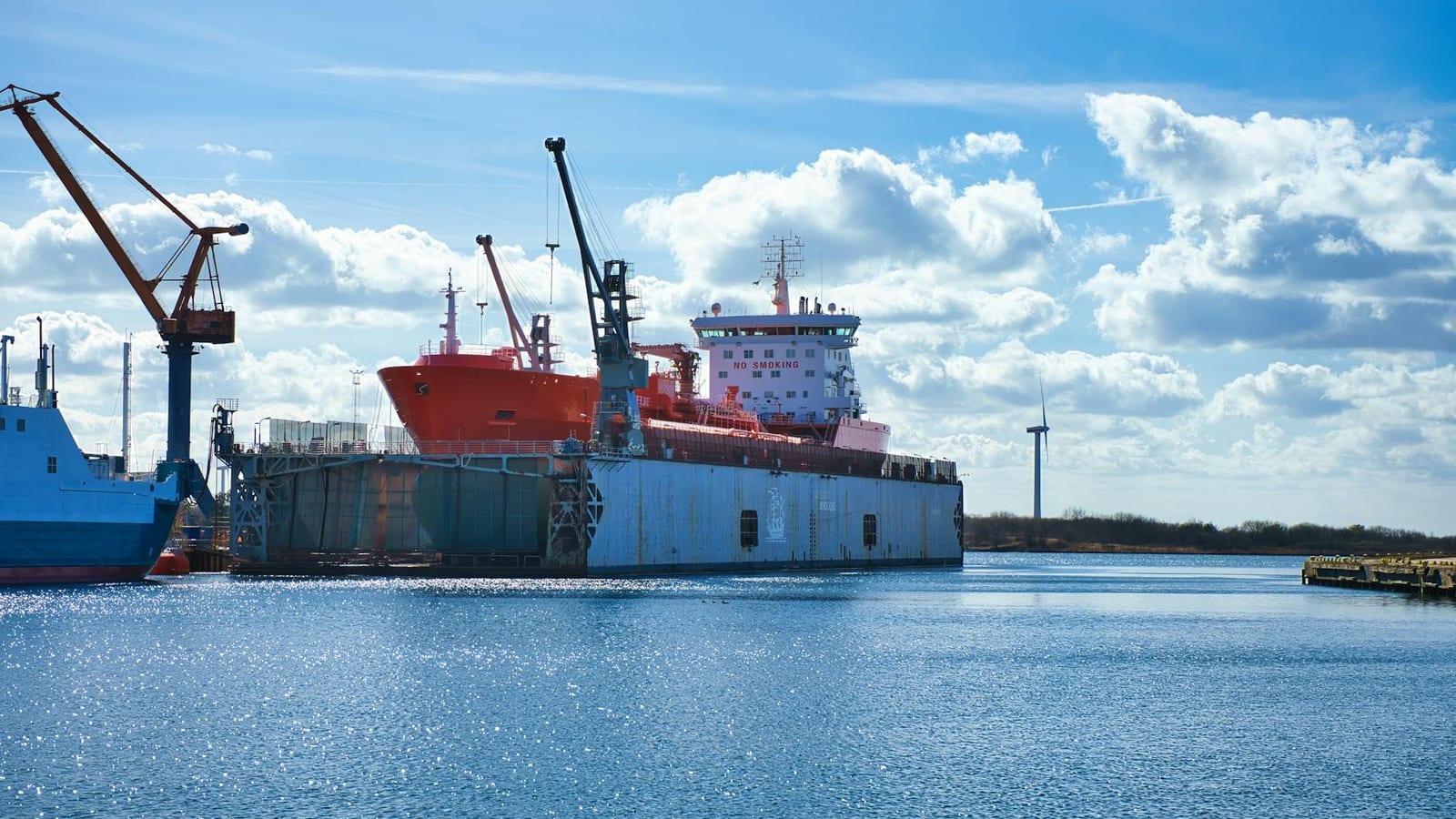
Oil traders got a small taste of peace, and prices immediately lost their swagger.
Crude had been running hot for weeks because ships, insurers, refiners, and governments feared one thing above all. If the Strait of Hormuz stayed choked, the world would pay more for fuel, freight, plastics, food, and almost everything that moves.
Then Donald Trump said the United States was in the final stages of talks with Iran. Oil fell hard, then edged up again as traders asked the only question that matters now. Is this real calm, or just another headline before the next shock?
Oil slips after peace talk
West Texas Intermediate crude traded near $99 a barrel after falling more than 5 percent in the previous session. Brent crude closed near $105 a barrel.
That drop matters even if most Indians never track oil tickers. India imports most of its crude. When oil jumps, petrol, diesel, aviation fuel, paints, tyres, logistics, and packaged goods feel the pinch.
When oil cools, the pressure eases. It does not vanish overnight. But it gives households, companies, and policymakers some breathing room.
Prices are still more than 40 percent higher than when the war began at the end of February. So this is not cheap oil. It is expensive oil reacting to a possible ceasefire in supply fear.
The market is not celebrating peace yet. It is merely removing some panic from the price.
That distinction matters. A trader can sell crude within seconds. A refinery cannot rebuild supply chains that quickly. A truck operator in Indore or a small factory near Coimbatore still pays today’s fuel bill, not tomorrow’s hope.
Hormuz remains the pressure point
The Strait of Hormuz is a narrow but crucial waterway near the Persian Gulf. A large share of global oil passes through it.
When that route looks risky, oil prices carry what traders call a risk premium. In simple English, buyers pay extra because something could go wrong.
Trump’s comments raised hopes that Iran may reopen or ease flows through the route. That could release millions of barrels held up in the Persian Gulf.
But the physical oil market still looks messy. Joe DeLaura of Rabobank said oil can take up to 55 days to travel from the Persian Gulf to its destination.
That means inventories can keep falling even if diplomacy improves. Ships already delayed do not teleport to ports. Refiners cannot fill tanks with press conference lines.
Some ship movement has improved. Three supertankers appeared to try crossing the waterway after days of weaker traffic.
Iran said 26 ships passed in the last 24 hours. Ship-tracking signals have not always matched Tehran’s larger claims, so traders remain cautious.
This is why oil moved up again after the big fall. The market liked the peace signal, but it did not fully trust it.
Why India should care
For India, crude oil is never just a market story. It is a kitchen-table story with a foreign policy wrapper.
A higher crude price feeds into India’s import bill. That can pressure the rupee because India must buy more dollars to pay for oil.
A weaker rupee then makes imported goods costlier. It can affect electronics, edible oils, fertilisers, machinery, and overseas education bills.
Fuel prices also sit inside the cost of daily life. A kirana store owner may not buy crude, but every delivery van does. Those costs quietly travel into shelves.
Airlines feel the hit quickly because aviation fuel forms a large part of their expenses. If crude stays high, ticket prices become harder to hold.
For companies, the pain varies. Oil producers may gain from high prices. Paint makers, tyre companies, logistics firms, and airlines usually prefer calmer crude.
For the stock market, the signal is mixed. The Bombay Stock Exchange’s Sensex and National Stock Exchange’s Nifty 50 often dislike sharp crude spikes.
That is because expensive oil can hurt India’s trade balance and corporate margins. It can also make inflation stickier.
If someone has a ₹5 lakh portfolio tilted toward transport, paints, or consumer goods, oil matters. A 40 percent rise in crude can squeeze earnings expectations.
The damage will not be equal across stocks. But the market starts marking down businesses that cannot pass higher costs to customers.
Diplomacy is moving, slowly
Trump told reporters that the US and Iran were close to a deal. He also warned that Washington could take harsher steps if talks failed.
That mix of negotiation and threat explains the market’s nervousness. Traders heard hope, but they also heard risk.
Iran is reviewing a new US draft linked to Tehran’s 14-point proposal. It has not given a final response yet.
Earlier, Iran warned it would respond beyond the Middle East if the US or Israel attacked again. That warning keeps the geopolitical temperature high.
So the market is dealing with two opposite possibilities. A deal could pull prices lower. A fresh attack could send them sharply higher.
This is why crude has been moving violently this week. Each headline changes the assumed odds of peace, disruption, or retaliation.
For ordinary Indians, this may feel distant. But oil is one of those global prices that reaches home fast.
If crude falls for a few weeks, inflation worries ease. If it stays above $100, the pressure stays on the Reserve Bank of India, the finance ministry, and companies.
What investors should watch
The first thing to watch is actual tanker movement through Hormuz. Diplomatic language helps, but ship traffic tells the harder story.
The second is US crude inventory data. Stockpiles fell by about 7.9 million barrels last week.
That fall suggests supply stress has not disappeared. Overseas buyers are also buying American oil to make up for Middle East disruption.
The third is Brent’s ability to stay near or below $100. For India, Brent is the cleaner benchmark than West Texas Intermediate.
If Brent falls and holds lower, Indian markets may breathe easier. If it jumps again, inflation and margins return as live worries.
The fourth is the tone from Washington and Tehran. A draft deal is useful only if both sides can sell it at home.
Markets often price peace before politicians deliver it. That is the danger here.
For now, oil has not crashed because peace has arrived. It has slipped because the market can imagine peace again.
That imagination alone can help India for a few days. But fuel bills, freight costs, and inflation will listen to barrels, ships, and signed terms. Not just speeches.