Oil Spike Sends Emerging Markets Lower as Rate Fears Grow
Brent crude above $109 sparked a selloff in emerging market currencies, bonds and stocks, raising concerns for India's rupee, inflation and EMIs.
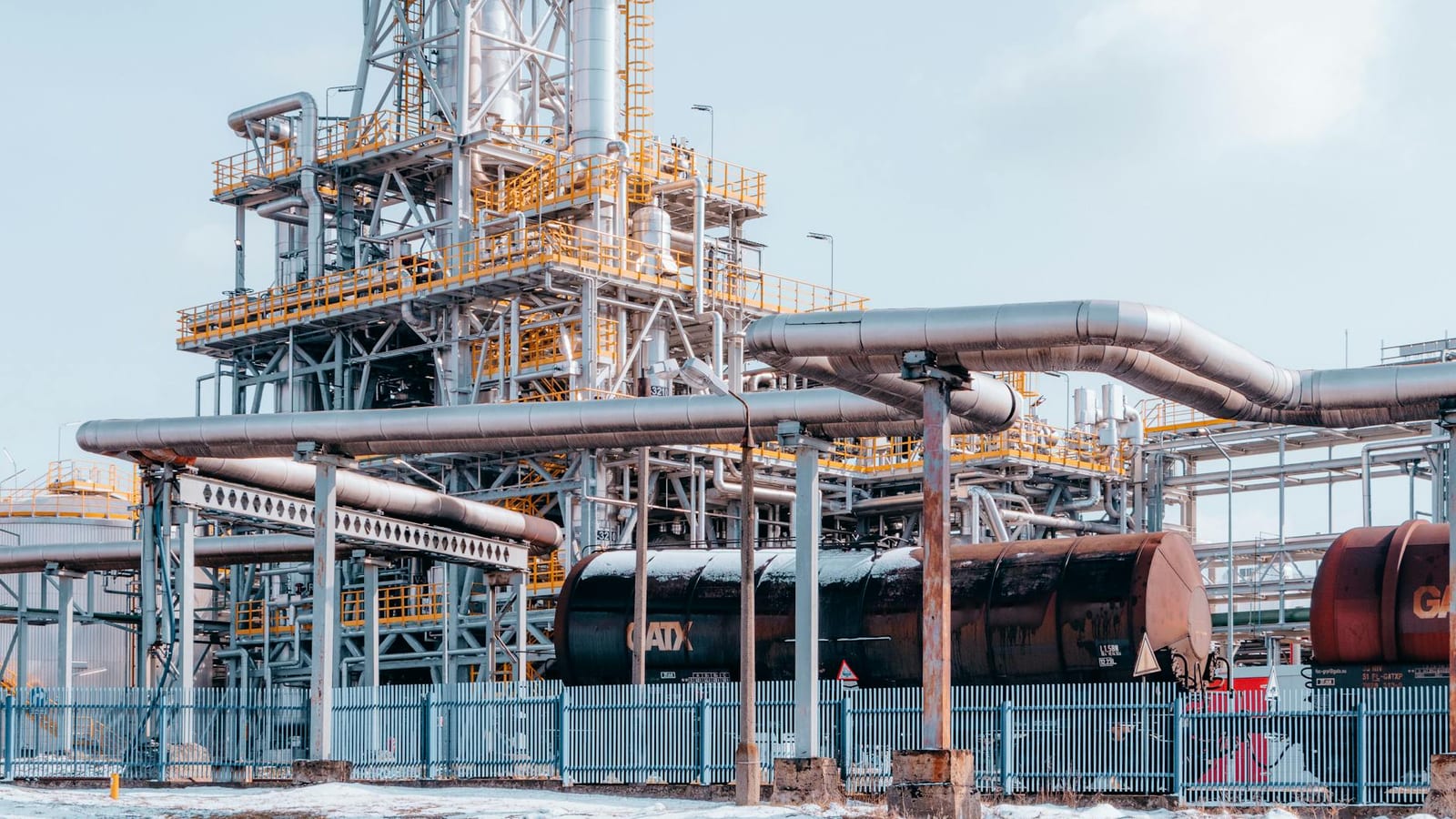
A barrel of oil above $109 is not just a trader’s problem. It can become your petrol bill, your flight ticket, your grocery basket, and eventually, your home loan EMI.
That is why Friday’s selloff across emerging markets matters for India too. Investors ran toward the dollar after fresh fears that the Middle East conflict could keep global inflation hot.
The pain was visible across currencies, bonds, and stocks. The message was simple: when oil jumps and borrowing costs rise, money leaves riskier markets first.
Oil shock rattles investors again
Brent crude climbed above $109 a barrel, as worries grew over the Strait of Hormuz. That narrow waterway carries a large share of the world’s oil trade.
Donald Trump said in a Fox News interview that the United States did not need the Strait open “at all”. That remark landed badly in markets already nervous about supply.
China called for the Strait to reopen quickly and pushed for talks over the Iran conflict. But traders did not wait for diplomacy to work.
For India, expensive crude has a familiar sting. We import most of our oil. When crude rises, the rupee feels pressure, fuel companies face stress, and inflation risks return.
A city commuter may not track Brent prices daily. But petrol, diesel, cab fares, airline costs, and delivery charges all carry the signal sooner or later.
Dollar strength squeezes emerging markets
The MSCI Emerging Market Currency Index fell 0.4 percent on Friday. That sounds small, but currency markets rarely need big moves to create pressure.
The Brazilian real, Chilean peso, and South African rand each fell at least 1.2 percent. Across developing markets, almost every currency weakened.
The dollar rose for the fifth straight day. The Bloomberg Dollar Spot Index headed for its sharpest weekly rise since early March.
A stronger dollar usually hurts emerging markets in three ways. Imports become costlier, foreign investors become cautious, and dollar debt becomes harder to service.
For an Indian household, this shows up quietly. A child’s overseas education bill rises. Imported gadgets cost more. Foreign travel budgets stretch thinner.
For companies, the effect can be sharper. Airlines, oil marketing firms, electronics importers, and firms with dollar loans feel the pinch first.
That is why currency weakness is not a side story. It is often the first warning light on the dashboard.
Rate fears return to centre stage
The Federal Reserve is now back in the market’s line of fire. Traders see an almost two-thirds chance of a US rate hike in December.
That shift came after two US inflation reports showed price pressure staying firm. Consumer and wholesale prices both pointed in the wrong direction.
US 10-year bond yields moved near 4.6 percent, their highest level in almost a year. Japan’s 30-year yield touched 4 percent, a record for that bond since issuance began in 1999.
In plain English, bond yields are the interest rates governments pay to borrow. When those rates rise, borrowing becomes costlier across the system.
That can hit everything from corporate loans to housing finance. In India, the Reserve Bank of India makes its own decisions, but global rates still matter.
If US yields rise, foreign investors can earn better returns in safer dollar assets. That makes emerging markets less attractive, unless they offer a bigger reward.
For a young professional paying a floating-rate home loan, this chain can feel distant. But global money flows often decide how much room local central banks have.
If imported inflation rises through oil, central banks become cautious. If they stay cautious, loan relief takes longer to reach households.
Stocks take the harder knock
The selloff hurt shares more than currencies. The MSCI Emerging Market Index dropped 2.8 percent, heading for its biggest fall since March 23.
For someone holding a Rs 5 lakh emerging-market equity basket, that one-day move means a paper loss of about Rs 14,000. That is the cleanest way to read the number.
South Korea took the sharpest hit. Its main stock index fell 6.1 percent as foreign investors sold heavily.
The fall also showed cooling excitement around artificial intelligence trades. In recent months, AI-linked stocks had carried a lot of optimism in Asian markets.
When risk appetite turns, crowded trades get punished first. Investors do not always sell what is weakest. They often sell what has risen the most.
That matters for Indian retail investors too. Many now own global funds, tech funds, and exchange-traded products through apps.
A global selloff can hit portfolios even when Dalal Street looks steady at first glance. The link runs through foreign flows, sector sentiment, and currency moves.
The Bombay Stock Exchange’s Sensex and National Stock Exchange’s Nifty 50 were not the centre of this report. But Indian investors should still watch the same triggers.
Oil, the dollar, US yields, and foreign investor flows will decide whether this remains a global wobble or becomes a deeper correction.
China meeting offers little comfort
Markets also watched Trump’s meeting with Xi Jinping. Investors had hoped the discussion might reduce pressure around the Iran conflict and oil routes.
But the meeting did not remove the bigger worries. Trump said he made no commitment to Xi on Taiwan.
He also said he would soon decide on a planned $14 billion arms deal with the island. That kept another geopolitical risk alive.
The Strait of Hormuz remains the more immediate concern for oil markets. Still, Taiwan adds another layer of uncertainty for Asia.
This is the problem with geopolitical risk. It does not move in a straight line. One headline calms markets, the next one shakes them again.
Alejandro Cuadrado of BBVA described the market mood as broad risk aversion. He said it was hitting nearly everything that had rallied earlier.
Shaun Osborne of Scotiabank said sticky US inflation and rising yields were lifting the dollar against major currencies. That is the consensus fear now.
The real question is whether central banks treat this as a short oil shock or a longer inflation problem. Markets are betting the second risk cannot be ignored.
For ordinary Indians, the story is not about distant trading screens. It is about whether inflation cools, whether loan rates ease, and whether savings hold value. If oil stays high and the dollar keeps climbing, the pressure will not stay overseas for long.