Oil Price Surge Hits European Shares as Yields Climb
Brent crude above $109 stoked inflation worries, lifted bond yields and drove the Stoxx 600 to its steepest fall since late March.
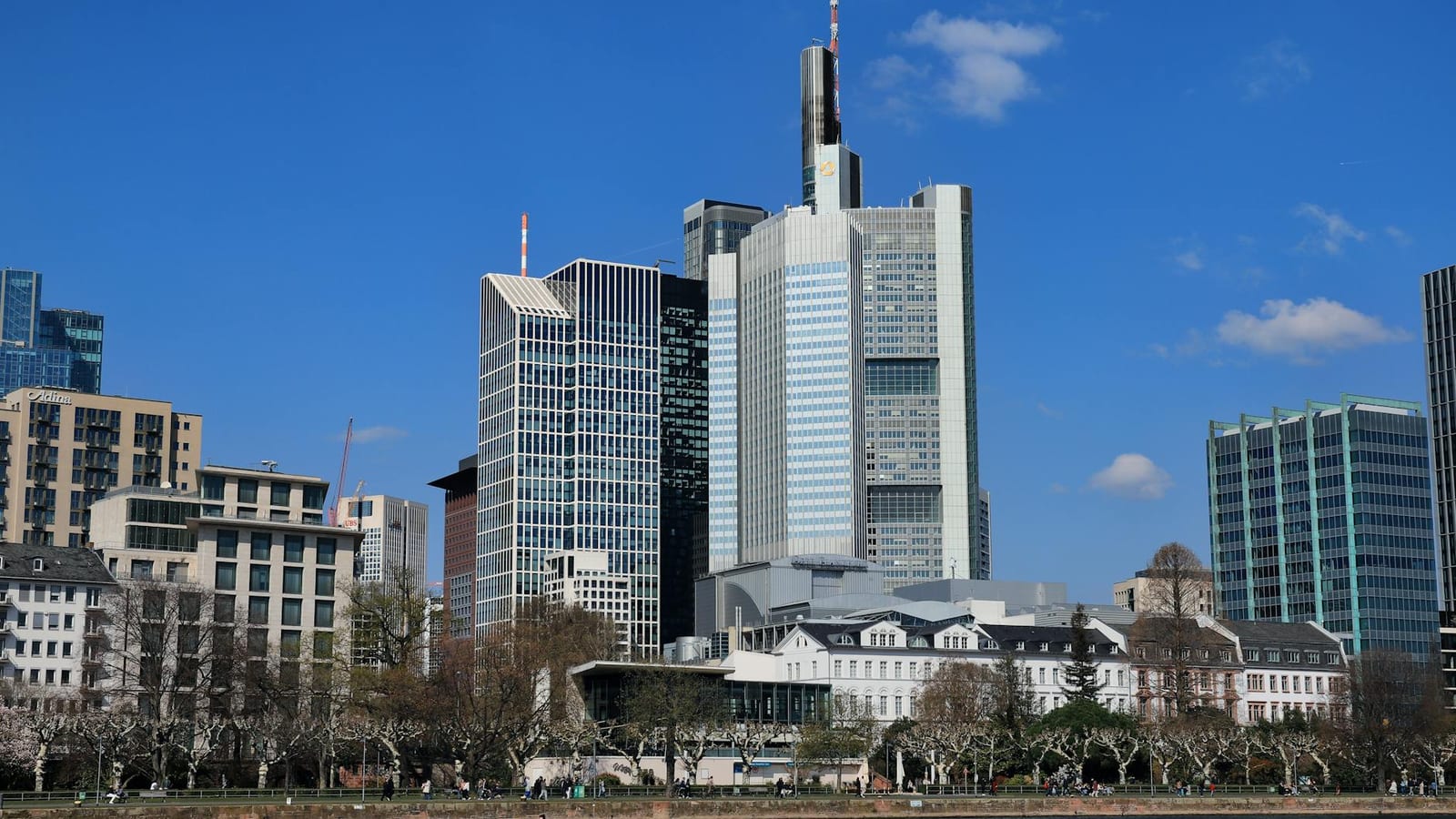
A jump in oil prices can travel faster than a stock market rumour. On Friday, it crossed from the Gulf to Europe, hit bond desks, and then knocked down shares.
The Stoxx 600 fell 1.5 percent, its sharpest fall since late March. For an Indian investor watching global cues, that is not just a Europe story. It is a reminder that oil still sits inside every market calculation.
The trigger was Brent crude moving above $109 a barrel. That raised an old fear again: costlier fuel, stickier inflation, and central banks forced to keep money expensive for longer.
Oil shock rattles Europe again
European shares slipped because investors saw a familiar chain reaction. Higher oil prices raise costs for transport, power, factories, airlines, and households. Once those costs rise, inflation becomes harder to cool.
That matters more for Europe than for many other markets. The region depends heavily on imported energy. When oil jumps, investors quickly worry about company profits and household spending.
The Strait of Hormuz remains the pressure point. It is one of the world’s most important oil routes. Any fear around its closure can lift crude prices within hours.
US President Donald Trump said America does not need the route open. Markets did not like that message. They also saw no clear sign that talks with Chinese President Xi Jinping had brought Beijing closer to helping end the Iran conflict.
That left traders with a blunt question. If oil stays high, how long before inflation returns as the main market story?
Bond yields do the damage
Stocks did not fall only because oil rose. They fell because bond yields also climbed. In plain English, investors demanded higher returns to hold government debt.
When bond yields rise, shares often look less attractive. Investors can earn more from safer assets. That hurts companies whose future profits depend on cheap money today.
Banks, utilities, and real estate stocks came under pressure. These sectors usually feel pain when borrowing costs rise. Real estate firms, for example, need steady access to loans. Utilities also carry heavy debt.
The European Central Bank now faces a harder job. One of its policymakers, Yannis Stournaras, warned that borrowing costs could rise if oil remains near current levels.
The Bank of England faces a similar problem. Its chief economist, Huw Pill, said the UK may need another rate increase to fight inflation.
For Indian readers, think of this through home loans. When rates rise, EMIs become heavier. Families delay purchases. Builders slow projects. Companies spend less. The same basic logic applies across markets.
Investors run toward safety
The selloff was not equal across the board. Energy shares held up because higher crude prices can lift profits for oil producers. Healthcare and consumer staples also did better.
That tells us something useful. Investors were not blindly selling everything. They moved money into businesses people keep using even in tough times.
A family may postpone a luxury handbag. It will not stop buying medicines or basic household goods. Markets understand that quickly.
Luxury stocks showed the other side of the story. Salvatore Ferragamo fell 18 percent after weak first-quarter sales. LVMH also slipped after announcing plans to sell the Marc Jacobs label to WHP Global.
Metals also lost steam after a strong week. Gold and copper pulled back, dragging miners lower. That is often what happens when traders book profits after a fast run.
Technology shares also struggled in early trade. ASML Holding and Infineon Technologies dropped more than 3 percent in one snapshot from the session. Higher yields often hurt tech because investors value future earnings less generously.
Why India should watch this
At first glance, this may look like a European market problem. It is not. India imports most of its crude oil. When Brent crude rises, the pressure eventually reaches the rupee, fuel prices, aviation costs, and inflation.
If oil stays near $109 a barrel, India’s import bill rises. That can widen the current account deficit. In simple terms, the country spends more dollars buying oil than it earns from exports and other inflows.
A weaker rupee can make imported goods costlier. That includes crude, electronics, chemicals, and some industrial inputs. The pressure then moves from wholesale markets to households.
For a salaried family, the impact may not appear in one dramatic bill. It arrives quietly. A cab ride costs more. Airline fares stay firm. Vegetable transport costs rise. Packaged goods companies shrink discounts.
For investors, the lesson is equally direct. Global market stress rarely stays abroad now. Foreign investors move money across countries quickly. When they reduce risk, emerging markets can feel the outflow.
The Bombay Stock Exchange’s Sensex and the National Stock Exchange’s Nifty 50 often react to oil, US yields, and foreign fund flows. A 1 percent fall in a ₹5 lakh equity portfolio means a paper loss of ₹5,000. That is why global cues matter even for small investors.
The bigger risk is not one bad trading day. Markets can digest that. The real issue is whether oil and bond yields rise together for many weeks.
That combination squeezes both sides of the economy. Consumers pay more. Companies borrow at higher rates. Central banks then get less room to cut interest rates.
The market’s uncomfortable message
Paul Skinner of Wellington Management said bond markets looked unsettled, while the oil problem had no clear solution yet. His point was simple. Investors should expect more volatility.
That word gets thrown around often, but it has a practical meaning. Prices can swing sharply without much warning. Good news may lift shares for a day. One crude price spike can erase the move.
This is why retail investors should avoid reading Friday’s fall as a stand-alone Europe event. It reflects a broader worry that inflation may not fade smoothly.
Central banks spent the last few years fighting high prices. Investors had started hoping rate cuts would arrive more comfortably. Costlier oil disturbs that hope.
For India, the Reserve Bank of India will also watch crude closely. It cannot control global oil prices. But it must judge how much imported inflation can enter the domestic economy.
The smart question now is not whether European stocks recover next week. They may. Markets bounce all the time after sharp falls.
The better question is whether oil prices cool, bond yields settle, and central banks get breathing space. Until that happens, ordinary investors should expect more nervous days. The chai-time version is simple: when crude climbs and money gets costlier, everyone’s budget starts feeling the heat.