Oil Jump Hits Wall Street as Iran Talks Face Hurdle
US stocks slipped as crude climbed on Iran nuclear talk worries, raising fuel-cost risks for global investors, airlines and Indian households.
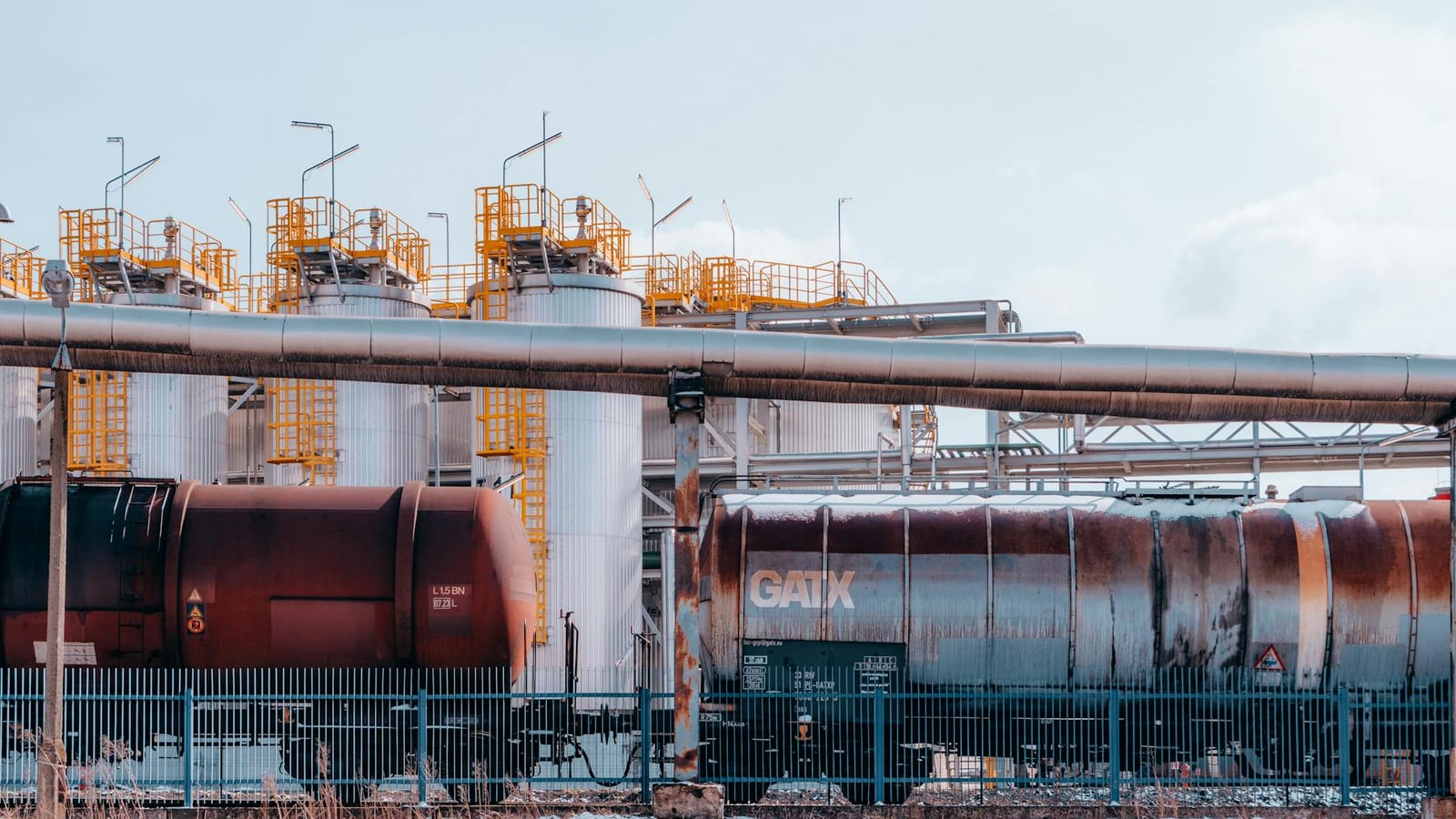
A small jump in oil can quietly travel a long way. It can move from a trading screen in New York to a petrol pump in Pune, an airline ticket in Delhi, and a grocery bill in Indore.
That is why Thursday’s wobble on Wall Street matters for Indian households too. The fall looked modest on paper. But the worry behind it was not modest at all.
Crude oil prices rose sharply after reports suggested Iran may keep its enriched uranium inside the country. Traders read that as a fresh hurdle in talks with the United States. The market’s fear was simple. If diplomacy slows, oil supply worries return.
Oil shock rattles stock markets
By mid-morning in New York, the S&P 500 was down 0.4 percent. The Dow Jones Industrial Average slipped less than 0.1 percent. The Nasdaq Composite fell 0.5 percent.
For an Indian investor with global funds or US tech exposure, this means a red day. A ₹5 lakh overseas equity allocation could be down roughly ₹2,000 to ₹2,500, depending on the fund mix.
That is not a crash. But markets rarely panic in one clean move. They first start pricing in risk, one layer at a time.
The bigger signal came from oil. Brent crude jumped 3.4 percent to $108.54 a barrel. That move erased much of the week’s earlier softness.
The anxiety sits around the Strait of Hormuz, the narrow sea route near the Persian Gulf. A large share of global oil moves through this passage. If tankers struggle to move freely, buyers start paying more quickly.
Why India should watch Brent
India imports most of its crude oil. So a rise in Brent crude is not some distant Wall Street problem. It is a direct input into India’s inflation story.
When crude rises, fuel companies face higher costs. The government may choose to absorb some pain through taxes or pricing decisions. But the pressure does not vanish.
It can show up in aviation fuel, freight, paints, plastics, packaging, and cooking essentials. That is how a geopolitical story becomes a monthly budget story.
For a kirana store owner in a tier-2 city, higher transport costs matter. For young professionals with home loans, inflation matters because it shapes interest rate expectations.
The Reserve Bank of India watches crude closely for the same reason. Expensive oil can weaken the rupee, widen the import bill, and make inflation stickier.
The 10-year US Treasury yield also rose to 4.61 percent from 4.57 percent. That matters because higher US yields can pull money toward dollar assets.
When that happens, emerging markets often feel the squeeze. India may still look attractive, but foreign investors become more careful.
Company moves tell their own story
The market’s broad mood was cautious, but individual stocks moved for their own reasons. Walmart fell 5.9 percent after its earnings update disappointed investors on profit guidance.
That drop carries a message beyond one retailer. If a large US consumer company sounds cautious, markets ask whether household spending is cooling.
For India, this matters because the US consumer drives demand across sectors. IT services, exports, and global supply chains all take cues from American spending.
Nvidia slipped 0.6 percent even after reporting record quarterly revenue of $81.6 billion. That tells us something about market expectations.
When investors already price a company for perfection, even excellent numbers may not lift the stock. The AI trade remains powerful, but it is no longer cheap in everyone’s eyes.
IBM moved the other way, rising 5.6 percent. The Trump administration plans to fund some quantum computing companies in exchange for stakes, including a new IBM venture.
That announcement lit up smaller quantum-linked names. GlobalFoundries rose 13 percent. D-Wave Quantum jumped 24.8 percent. Rigetti Computing gained 24.4 percent. Infleqtion surged 39.8 percent.
This is where policy meets speculation. Government money can validate a sector. But retail investors should remember one thing. Early-stage technology shares can rise fast and fall faster.
Intuit dropped 20.5 percent after cutting its annual revenue forecast for tax software. Ralph Lauren rose 10.5 percent after posting better profit and revenue than analysts expected.
So the day was not just about Iran. It was also about earnings, policy bets, and whether valuations leave room for mistakes.
Gold fails its safe-haven test
Gold usually benefits when investors get nervous. This time, it fell. Spot gold dropped 1 percent to $4,500.07 an ounce. US gold futures for June delivery lost 0.7 percent.
That may look odd at first. But markets often move in mixed ways when inflation fears rise.
Higher oil can push inflation higher. Higher inflation can keep bond yields elevated. When yields rise, gold loses some appeal because it does not pay interest.
UBS analyst Giovanni Staunovo said the focus remained on negotiations between Iran and the US. He said uncertainty over a deal had allowed oil to pressure gold.
Silver, platinum, and palladium also fell. Spot silver was down 1.1 percent. Platinum lost 1.4 percent, while palladium slipped 1.3 percent.
For Indian families, gold is not just a trading asset. It is jewellery, savings, wedding planning, and emotional security.
But this move is a reminder. Gold can fall even during tense global news. It depends on what bond yields, the dollar, and inflation expectations do together.
What investors should track now
The market is watching three things. First, whether Iran and the US can keep talks alive. Second, whether the Strait of Hormuz remains a supply threat. Third, whether oil stays above uncomfortable levels.
For Indian investors, the cleanest signal is Brent crude. If oil keeps rising, watch the rupee, inflation expectations, and airline or paint stocks.
For mutual fund investors, one weak US session should not trigger panic. But it should trigger a portfolio check. Too much exposure to one theme, like AI or global tech, can hurt during sharp rotations.
For policymakers, the challenge is harder. India wants growth, softer inflation, and stable rates. Expensive crude makes that triangle harder to manage.
The market’s message is not that disaster has arrived. It is that oil is once again reminding everyone who holds the remote. For ordinary Indians, the next few weeks may decide whether this remains a market headline, or quietly enters the household budget.