Oil jump drags Wall Street lower amid Iran talks
Crude prices rose as Iran nuclear talks faced fresh doubts, pulling US stocks lower and raising concern over energy costs for Indian consumers.
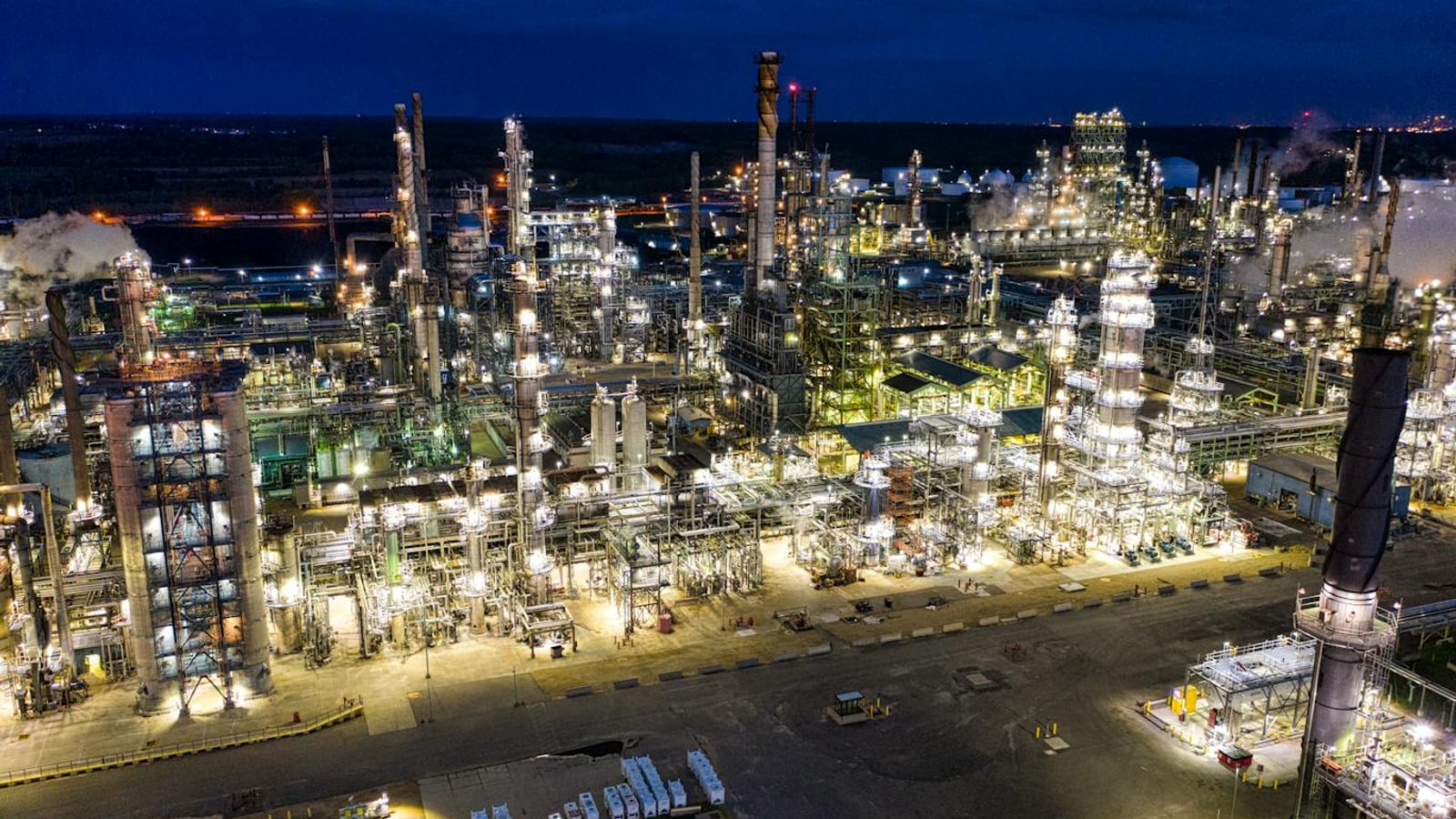
Oil is again doing what oil does best: making distant diplomacy feel painfully local.
On Thursday, Wall Street opened lower after crude prices jumped. Traders worried that talks between Iran and the United States may not move fast enough to calm the energy market.
For India, this is not some faraway screen problem. Costlier crude can quietly enter petrol pumps, airline tickets, paint prices, fertiliser costs, and even monthly grocery bills.
Oil shock rattles markets
By mid-morning in New York, the S&P 500 was down 0.4 percent. The Dow Jones Industrial Average slipped less than 0.1 percent. The Nasdaq Composite fell 0.5 percent.
That may sound small. But for a retail investor with a ₹5 lakh US fund exposure, a 0.5 percent fall means roughly ₹2,500 gone on paper in one session.
The immediate trigger was crude oil. Brent crude rose 3.4 percent to $108.54 a barrel. That move erased much of the week’s earlier fall.
Markets reacted after reports suggested Iran may keep its enriched uranium stockpile inside the country. Traders read that as a fresh hurdle in talks with Washington.
The bigger fear sits in the Strait of Hormuz. It is a narrow sea route, but it carries huge weight in global oil trade.
If tankers face delays there, energy prices can rise quickly. India, which imports most of its crude, feels that pressure faster than many rich economies.
Why India should care
Indian investors often watch the Bombay Stock Exchange’s Sensex and the National Stock Exchange’s Nifty 50 first. Fair enough. But Wall Street now sets the mood for global money.
When US stocks fall and bond yields rise, foreign investors usually become more cautious. That can hit emerging markets, including India.
The 10-year US Treasury yield rose to 4.61 percent from 4.57 percent. In simple terms, investors demanded a higher return to hold US government debt.
That matters because global money compares everything with US bonds. If American bonds pay more, riskier markets must work harder to attract funds.
For Indian households, the oil link is more direct. A sustained crude spike can raise India’s import bill. That can pressure the rupee.
A weaker rupee makes imported goods costlier. It also hurts students paying foreign fees, families booking overseas travel, and companies buying dollar-priced inputs.
The Reserve Bank of India watches this closely. If oil keeps inflation sticky, rate cuts become harder. That affects home loan borrowers waiting for lower EMIs.
A young professional with a floating-rate home loan may not track Brent crude daily. But crude can still shape the EMI conversation at home.
Company earnings send mixed signals
The market fall was not only about geopolitics. Corporate earnings also gave investors enough reason to stay nervous.
Walmart shares dropped 5.9 percent after the retailer gave weaker profit guidance. That is never a small signal.
Walmart sells everyday goods to millions of American shoppers. If its margins look pressured, investors start asking about household demand.
Nvidia slipped 0.6 percent even after reporting record quarterly revenue of $81.6 billion. That tells us expectations were already sky-high.
This is the strange part of bull markets. A company can deliver a stunning number and still see its stock fall.
Investors may have wanted even stronger guidance. They may also have booked profits after a huge run in artificial intelligence-linked shares.
IBM went the other way. Its stock rose 5.6 percent after the Trump administration moved to fund some quantum-computing companies in exchange for stakes.
That report lifted a pack of quantum stocks. GlobalFoundries rose 13 percent. D-Wave Quantum jumped 24.8 percent. Rigetti Computing gained 24.4 percent.
Infleqtion surged 39.8 percent. Such moves show how quickly government support can change investor mood in frontier technology.
But retail investors should read this with care. Quantum computing remains early and risky. A one-day rally does not make a business model proven.
Gold loses its safe glow
Gold usually shines when investors fear war or inflation. This time, it fell.
Spot gold dropped 1 percent to $4,500.07 an ounce. US gold futures for June delivery slipped 0.7 percent to $4,502.90.
Silver fell 1.1 percent. Platinum lost 1.4 percent. Palladium declined 1.3 percent.
That may look odd. But higher bond yields can hurt gold. Gold pays no interest, while bonds do.
When US yields rise, some investors prefer interest-bearing assets. That can pull money away from bullion, even during tense periods.
UBS analyst Giovanni Staunovo said the market still revolves around Iran-US negotiations. He linked oil’s rise to pressure on gold.
For Indian families, gold is not just an asset class. It is wedding planning, emergency savings, and emotional security.
A 1 percent fall may not shake long-term buyers. But sharp swings can confuse families deciding when to buy jewellery or coins.
The larger lesson is simple. Gold can protect wealth over long periods, but it does not move in a straight line.
Investors face a harder map
This market is giving investors three signals at once. Oil is warning about inflation. Bonds are warning about interest rates. Tech stocks are warning about stretched expectations.
That mix is uncomfortable. It does not automatically mean a crash. But it does mean easy money trades become harder.
For Indian investors, the first rule is position size. If a global fund or US tech stock sits in your portfolio, know how much risk it carries.
The second rule is currency. A falling rupee can lift returns from dollar assets. But it can also reflect stress in India’s import bill.
The third rule is patience. Geopolitical headlines move faster than actual policy. Markets often overreact first and understand later.
Still, oil above $100 is not background noise for India. It touches the current account, inflation, the rupee, and corporate margins.
The next few sessions will likely depend on two things. One is whether Iran and the US can keep talks alive. The other is whether crude stays elevated.
For ordinary Indians, the story is not about a red screen in New York. It is about whether global tension makes daily life costlier, loans slower to ease, and investments harder to read. That is why this oil move deserves attention, even from people who never trade a US stock.