Nvidia Hits $5.2 Trillion Market Cap on Cloud Partnership Deal
Nvidia shares hit a record $217.80 as a $2.1 billion cloud deal with IREN pushed its market cap past $5.2 trillion, 1.7 times India's entire GDP.
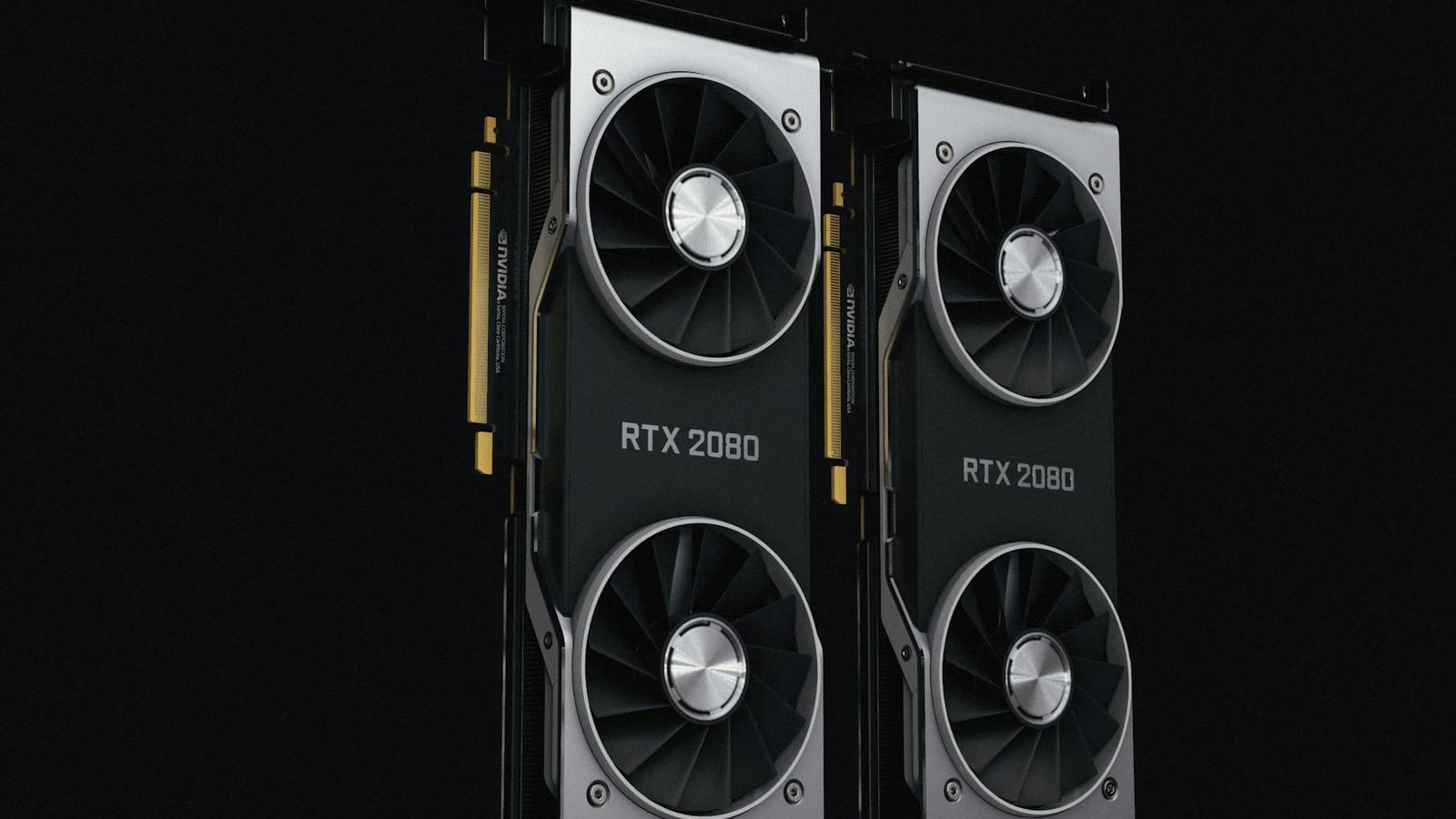
A ₹5 lakh investment in Nvidia at the start of this year has already grown by nearly ₹79,000. On Friday, it grew a little more.
Nvidia shares hit a fresh all-time high of $217.80 on May 8, rising 3% in a single session and marking the third consecutive day of gains. The chipmaker is on track for its biggest weekly rise in six months. Its total market capitalisation has crossed $5.2 trillion, cementing its position as the most valuable publicly listed company on Earth.
That number deserves a pause. Five-point-two trillion dollars is roughly 1.7 times India’s entire GDP. It is a figure that would have been considered science fiction for a single company a decade ago.
The deal that moved markets
Friday’s surge had a specific trigger. Nvidia announced a sweeping infrastructure partnership with IREN Ltd, an AI-focused cloud company. Under the arrangement, Nvidia is committing up to $2.1 billion to IREN and receiving in return the right to purchase up to 30 million IREN shares at a fixed price of $70 each over the next five years.
IREN’s side of the deal is equally large. The company will provide Nvidia with cloud computing services worth an estimated $3.4 billion in contracted revenue over those same five years. The two companies plan to build large-scale data centers together, with Nvidia supplying its chip systems and IREN contributing expertise in power procurement, land acquisition, and facility operations.
Think of it this way: training or running a powerful AI model requires enormous amounts of electricity and specialised computing hardware. IREN secures the physical infrastructure. Nvidia provides the chips and the software architecture that runs on top. Their partnership is, in effect, a joint bet that AI infrastructure demand will keep growing at a furious pace for years.
The larger wave
Nvidia’s IREN deal is one piece of a much bigger pattern. The four largest cloud computing companies in the world are expected to collectively spend more than $700 billion on AI infrastructure this year alone. That figure is roughly equivalent to India’s entire central government expenditure across two full fiscal years.
Nvidia has also taken equity positions in OpenAI, fellow chipmaker Marvell Technology, CoreWeave, Nebius Group, and several other companies along the AI supply chain. It is threading itself through the entire ecosystem: investing in customers, suppliers, and adjacent technology providers at the same time.
Some analysts have noted that this creates a somewhat circular arrangement. Nvidia invests in companies that use the proceeds to buy more Nvidia chips, which lifts Nvidia’s own revenues and justifies its valuation. It is a structure that works well in a rising market. What it looks like in a period of slower growth is a question fewer people are asking right now than probably should be.
Recent earnings updates from Intel, Advanced Micro Devices, and Taiwan Semiconductor Manufacturing Company have all confirmed that demand for AI chips remains strong, which has helped keep investor confidence intact.
What Indian investors should know
For the growing number of Indians investing in US stocks through international investing platforms, Friday was straightforward good news. Nvidia has gained roughly 15.7% so far this year, which translates to meaningful returns in rupee terms even after accounting for any currency movement.
But the impact runs wider than direct shareholders.
Indian technology services companies earn a significant share of their contracts from clients who are building or upgrading AI systems. Most of that AI infrastructure runs on Nvidia chips. When Nvidia’s order book grows, work tends to flow downstream to Indian IT firms within a few quarters. Investors in Nifty IT-linked funds or technology-focused mutual funds are already riding a portion of this wave, often without tracking it back to its source.
Domestic mutual fund investors should also note that several international fund-of-funds and Nasdaq-linked schemes available in India hold Nvidia either directly or through exchange-traded funds. If your portfolio has a technology allocation or a US equity component, there is a reasonable chance Nvidia is somewhere inside it.
There is also a subtler currency angle. The massive flow of global capital into US technology stocks tends to strengthen the dollar relative to the rupee. A softer rupee nudges up the cost of imports, which can slow the pace at which domestic inflation eases. Slower inflation easing gives the Reserve Bank of India less room to cut interest rates aggressively, which in turn keeps home loan EMIs elevated for longer than borrowers might hope.
This is how a chipmaker’s rally in California eventually touches the monthly budget of a family managing a home loan in Nagpur or a grocery bill in Hyderabad.
What to watch
Nvidia’s next significant test comes at its quarterly earnings call, where investors will scrutinise whether revenue growth is keeping pace with the scale of infrastructure commitments the company is now making. The bar is high because the stock price already reflects a great deal of continued dominance.
At a market capitalisation above $5.2 trillion, Nvidia is priced for near-perfection. Any signal that cloud spending is moderating, that AI adoption is converting into revenue more slowly than expected, or that a rival chip architecture is gaining ground could spark a sharp correction. The stock has also fallen steeply before, shedding more than 30% in early 2025 before recovering.
The AI investment story is real. The infrastructure being built is real. But stocks that already price in several years of flawless execution deserve scrutiny, not just admiration.
For Indian investors, the most important question is not whether Nvidia’s technology matters. It clearly does. The question is whether the price you are paying today already reflects everything you think you know about its future, and then some. Knowing the answer to that, rather than chasing the chart, is what separates investing from something that merely looks like it.