Magnus Steel Gains After Tata Motors Supply Chain Approval
Magnus Steel & Infra hit a 5% upper circuit after saying it was approved to supply steel for Tata Motors-linked projects in Gujarat and Maharashtra.
A stock rising 975 percent in six months will always pull a crowd. It pulls traders, dreamers, sceptics, and a few people who wonder if they missed the bus.
That is what happened with Magnus Steel & Infra on May 11, 2026. The small-cap stock hit ₹193 and got locked in a 5 percent upper circuit.
In plain English, buyers wanted the stock, but sellers were scarce. The exchange stopped further upward movement for the day after the price hit its limit.
Why the stock jumped again
Magnus Steel & Infra told investors it had become an approved steel supplier for upcoming Tata Motors automobile manufacturing projects.
These projects are linked to facilities in Gujarat and Maharashtra. For a small company, entry into such a supply chain matters.
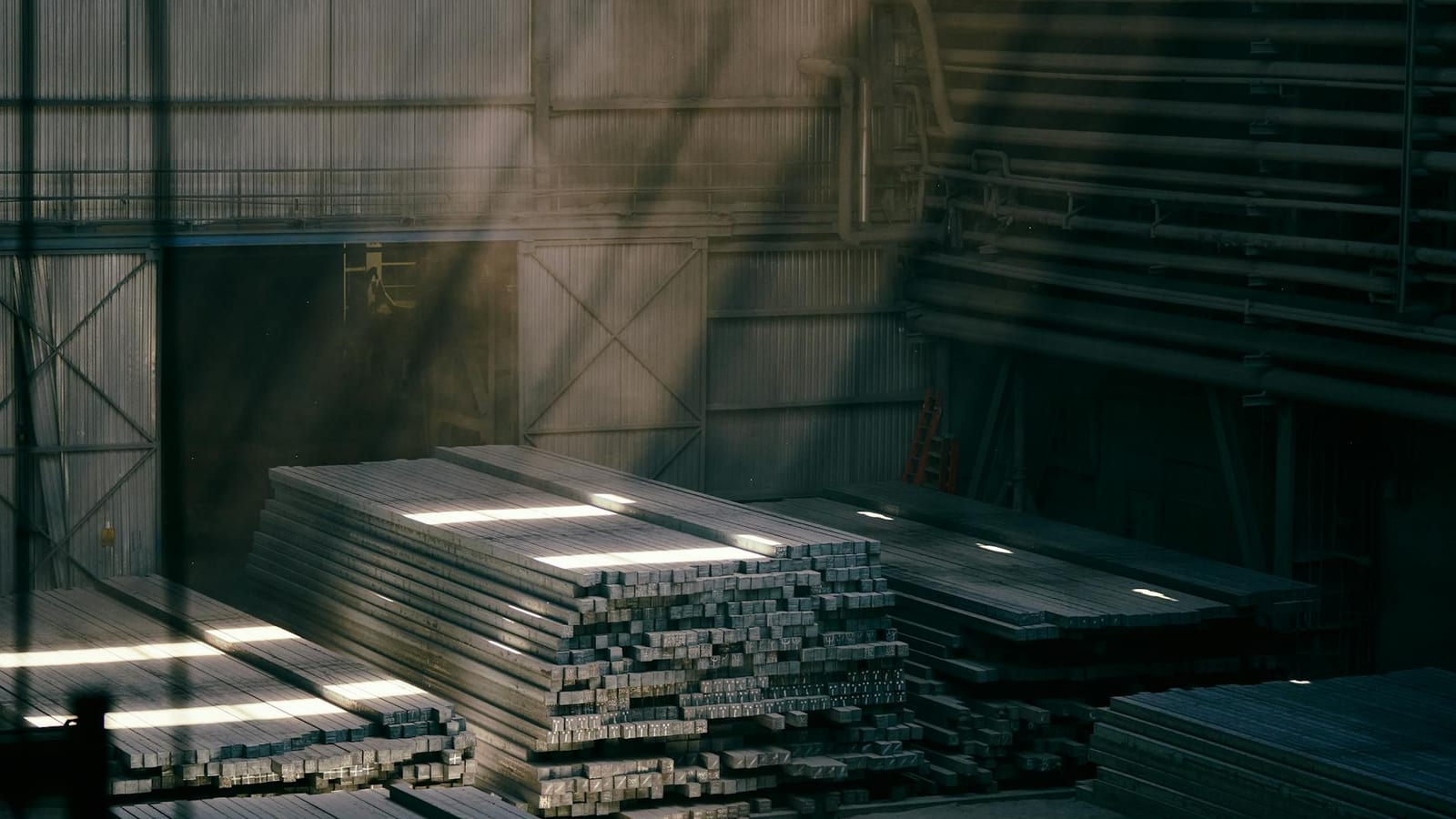
The company will supply steel items used in industrial shed construction. These include hot rolled plates, sheets, and channels of different thickness.
That may sound dull, but this is where factories begin. Before cars roll out, someone must build the sheds, structures, and workspaces.
Magnus said supplies have already started through RIECO Industries, the project contractor. It has also received multiple purchase orders for steel supply.
The company said it completed supplier checks, including technical and quality assessments, before the empanelment. That point matters because auto projects have strict standards.
Orders bring revenue visibility
The company has already executed orders worth about ₹8.50 crore during March and April 2026.
It also expects nearly ₹24 crore more in orders during FY27. These will come in phases, depending on construction progress.
Put together, the estimated engagement size stands at around ₹32.50 crore. For a large steel company, that number may look modest.
For Magnus Steel & Infra, it is not modest at all. The company reported FY26 revenue of ₹22.58 crore.
So the possible order pipeline is larger than its latest annual revenue. That explains why traders reacted so sharply.
Revenue visibility is a simple idea. It means a company can see likely business coming in, instead of guessing month to month.
For investors, this reduces one kind of uncertainty. It does not remove execution risk, payment risk, or valuation risk.
A sharp business shift
Magnus Steel & Infra has not always looked like this business. The company has been moving away from its earlier information technology services operations.
It has also looked beyond agro-products. The current push takes it deeper into steel trading and infrastructure supply.
Such shifts can create excitement in the market. Investors like stories where a small company enters a bigger industry.
But transitions also need careful watching. A company can announce a new direction faster than it can build execution muscle.
Steel supply is a working capital business. That means the company often needs cash upfront to buy material before collecting money later.
Magnus said it has strengthened its steel procurement network. It also said it has improved working capital capabilities.
That is important because large orders can strain small companies. Growth can hurt if cash gets stuck between suppliers and customers.
A kirana store owner understands this better than many analysts. Sales mean little if payments arrive late and bills are due today.
The return is eye-popping
The market’s excitement did not begin this week. Magnus Steel & Infra shares have already delivered extraordinary returns.
The stock has risen 975 percent in six months. That means ₹1 lakh invested six months ago became about ₹10.75 lakh.
Over one year, the gain stands around 2,200 percent. That turns ₹1 lakh into roughly ₹23 lakh before taxes and costs.
Over five years, the stock moved from ₹1.74 to ₹193. That is close to an 11,000 percent rise.
These numbers are powerful, but they can also be dangerous. Big past returns often make investors forget the starting base was tiny.
Small-cap stocks can move violently because fewer shares trade daily. A rush of buyers can push prices up very fast.
The same logic works in reverse. If sentiment turns, exits can become narrow and painful.
That is why upper circuits deserve respect, not blind celebration. They show demand, but they also limit price discovery.
If a stock keeps hitting upper circuits, many investors cannot enter easily. When it hits lower circuits, they may not exit easily.
What investors should watch
The first thing to watch is order conversion. The ₹24 crore pipeline is expected in phases, not guaranteed upfront.
Investors should track whether purchase orders actually arrive. They should also watch whether deliveries happen on schedule.
The second thing is margins. Revenue growth looks good, but profit quality matters more.
Magnus reported FY26 net profit of ₹4.51 crore on revenue of ₹22.58 crore. That suggests a healthy profit profile.
The question is whether that can continue as the company scales. Trading businesses often face price swings and thinner margins.
The third point is working capital. If receivables rise too fast, profits may sit only on paper.
The fourth point is customer concentration. A big project-linked order can boost a small company quickly.
But investors must ask what happens after this construction phase ends. One strong engagement is not the same as a steady order book.
Retail investors should also compare market value with actual earnings. A stock can be a good company and still become expensive.
That distinction often gets lost during a rally. The market loves a story, then later asks for proof.
There is a wider lesson here for Indian investors. Small-cap rallies often begin with real triggers, then gather emotion.
A new order, a new customer, or a sector shift can justify attention. But price moves can run far ahead of business reality.
For someone with a ₹5 lakh portfolio, a 10 percent position in such a stock is ₹50,000. That can grow fast, but it can also fall fast.
The sensible approach is boring, but useful. Check filings, read results, track orders, and avoid chasing only screenshots of returns.
Magnus Steel & Infra now has the market’s attention. The next test is simple: can it turn a flashy rally into steady business, cash, and repeat orders? For ordinary investors, that answer matters more than one more upper circuit.