JSW Motors Lands SBI Loan for Maharashtra EV Plant
JSW Motors will use SBI's Rs 8,000 crore financing to build a greenfield electric vehicle factory in Maharashtra, boosting local EV capacity.
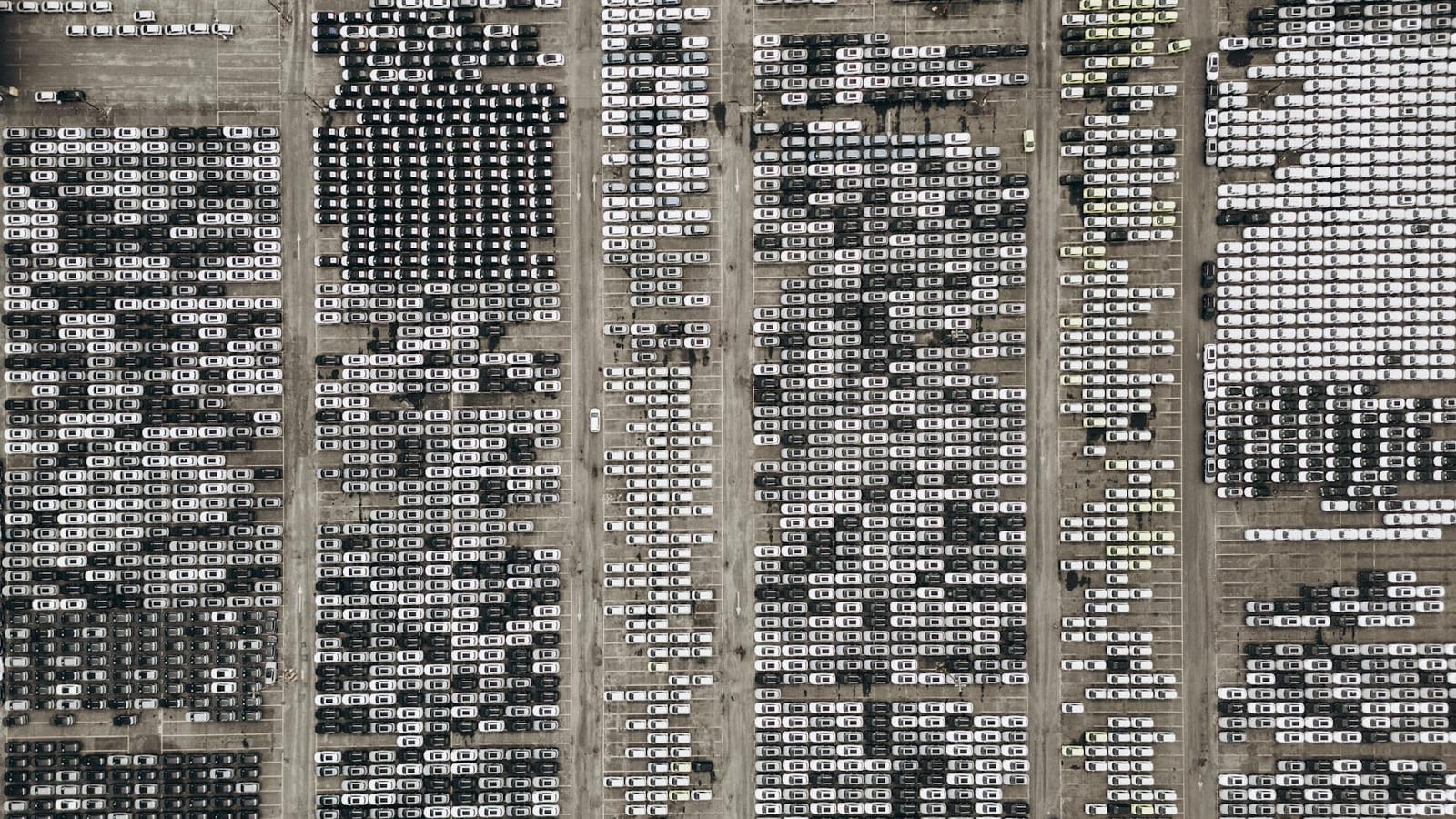
₹8,000 crore is not casual bank money. It is the kind of cheque that says someone is betting on a full industrial story, not just another shiny electric car.
JSW Motors, backed by Sajjan Jindal’s group, has secured financing from State Bank of India for a new electric vehicle manufacturing plant in Maharashtra. The money will go into a greenfield facility, which simply means a factory built from scratch.
For Indian buyers, this matters beyond boardroom headlines. More local EV production can mean wider choice, steadier supply, and possibly better pricing over time.
JSW makes its EV move
JSW Motors plans to use the SBI funding to build manufacturing capacity for passenger vehicles. Its focus will be on “new energy vehicles,” a broad industry term for electric and cleaner mobility models.
The group has already built muscle in steel, cement, and power. That background matters because carmaking is not only about design. It is also about supply chains, factories, energy costs, and deep capital.
Sajjan Jindal is now pushing the group into a far more visible consumer business. A steel plant serves industry. A car brand enters family parking lots, office commutes, and weekend highway trips.
The company is expected to share more details later on its product line and launch timeline. For now, the financing signals that JSW wants to be taken seriously in India’s EV race.
Why ₹8,000 crore matters
Let us translate the number. ₹8,000 crore can fund land, plant buildings, assembly lines, battery-related systems, vendor tooling, and early working capital.
For a bank, this is not like financing a showroom network. It is a long industrial bet. SBI’s role also gives the project financial weight in a sector where scale decides survival.
Electric vehicles need large upfront investment before the first car reaches a buyer. A company must spend heavily on factories, testing, safety systems, and dealer readiness.
That is why many EV dreams remain PowerPoint plans. JSW’s funding gives it a stronger starting point than smaller players who struggle for patient capital.
For retail investors watching the auto space, this is the key point. India’s EV shift will reward companies that can spend, wait, and still execute. Cheap ambition will not be enough.
China links add another layer
JSW already has a joint venture with SAIC Motor through JSW MG Motor India. SAIC is the Chinese company behind the MG brand in India.
The group also has a strategic partnership with Chery Automobile for new energy vehicles. That gives JSW access to global EV know-how, even as it builds local manufacturing capacity.
This is where the story gets interesting. India wants local brands and local factories. But EV technology still needs global learning, especially in batteries, software, and platform design.
The smart play is not to pretend India can build everything overnight. It is to absorb technology, localise production, and slowly reduce dependence where possible.
That balance will matter politically too. Chinese partnerships in Indian auto are watched closely. JSW will need to show that the factory creates Indian value, jobs, and capability.
Maharashtra gets the factory bet
Maharashtra has long been a serious auto and industrial state. A new EV facility there fits into its larger manufacturing pitch.
A greenfield plant can create direct factory jobs and indirect work for suppliers. These include component makers, logistics firms, service vendors, and local contractors.
For a small business near such a plant, the impact can be very real. More workers mean more housing demand, more transport needs, and more daily spending.
Still, factories do not transform regions by magic. The final impact will depend on how much sourcing happens locally and how fast production ramps up.
If JSW builds a deep vendor network around the plant, the benefits will spread wider. If it mainly assembles imported kits, the local gain will be thinner.
The road ahead for buyers
India’s EV market has moved past curiosity, but not yet reached comfort. Many buyers still worry about charging, resale value, battery life, and service quality.
A serious new domestic player can help change that. Competition usually forces better products, clearer warranties, and sharper pricing.
The passenger vehicle market is also different from two-wheelers. Families ask tougher questions before buying a car. They want safety, boot space, range, service support, and peace of mind.
That means JSW cannot win only with nationalism or factory size. It will need cars that feel reliable in Mumbai traffic, Pune rains, Delhi heat, and Bengaluru commutes.
The timing also matters. India’s charging network is improving, but unevenly. Urban buyers have more options than people in smaller towns or apartment complexes without charging points.
For banks, insurers, and dealers, EVs also change the business. Loan values, battery warranties, repair costs, and resale estimates all need better data.
This is why SBI’s financing is more than a corporate loan. It places a public sector banking giant inside India’s next auto cycle.
The consensus often looks at EVs as a clean technology story. That is only half true. In India, EVs are also a finance story, a jobs story, and a manufacturing story.
JSW now has money, industrial experience, and global partnerships. The harder part begins next: building cars that ordinary Indians trust with their monthly EMI.
If that happens, this ₹8,000 crore loan will look less like a factory cheque and more like the start of a new Indian auto contest. For buyers, the real test will come in the showroom, not the announcement.