Jewellery shares tumble as Modi warning hits gold demand
Jewellery stocks fell sharply after Narendra Modi urged Indians to avoid non-essential gold purchases, raising worries over demand and imports.
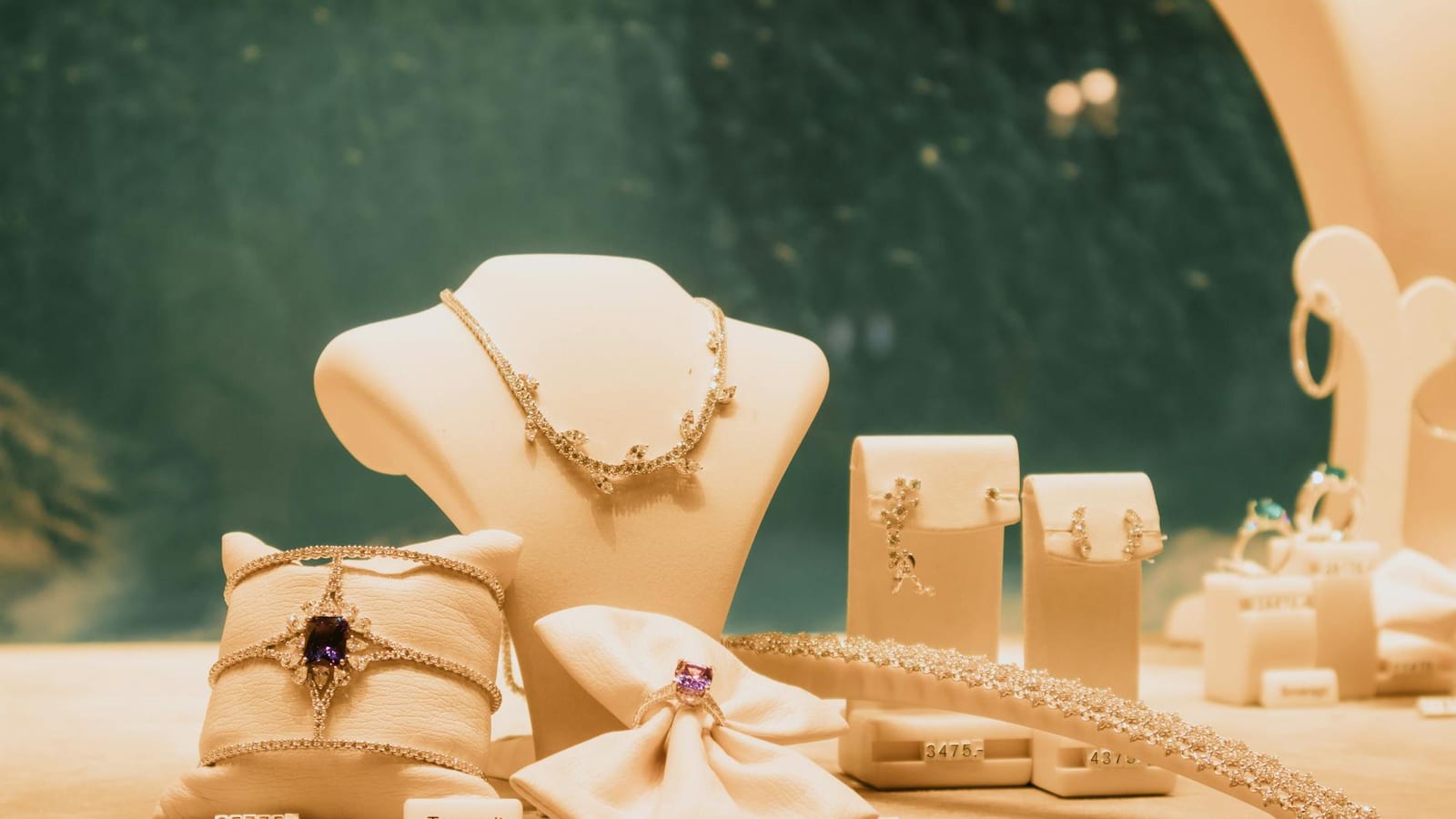
Gold is never just jewellery in India. It is wedding money, emergency cash, family pride, and often the last asset a household wants to sell.
That is why Narendra Modi asking Indians to avoid non-essential gold purchases for a year landed hard on Dalal Street. Investors heard more than advice. They heard a warning about India’s dollar bill.
On Monday, jewellery stocks cracked. Kalyan Jewellers fell 9.27 percent, Senco Gold dropped 8.18 percent, and Titan Company lost 6.73 percent. The National Stock Exchange’s Nifty 50 fell 1.49 percent, so jewellers clearly took the heavier punch.
Gold meets the dollar problem
The Prime Minister’s message was simple. India buys too much gold from abroad, and that needs dollars. When the country spends more dollars on imports, pressure builds on the rupee.
This matters because India also imports most of its crude oil. Oil and gold together can make the import bill swell very quickly. When crude prices rise, the country has less room for a gold buying spree.
Commerce ministry data shows crude oil and petroleum imports at about $174.9 billion in FY26. That was nearly 22 percent of India’s total imports. Gold imports were close to $72 billion, about 9.3 percent of the import bill.
Put simply, every extra gold bar imported competes with fuel, machinery, electronics, and other essentials for dollars. That pressure can weaken the rupee. A weaker rupee can then make petrol, gadgets, foreign education, and travel costlier.
For households, this sounds far away until it reaches the monthly budget. Costlier imports can feed inflation. Inflation then eats into salaries, savings, and fixed income returns.
Jewellery shares feel the heat
Markets react first and ask polite questions later. That is exactly what happened with jewellery stocks.
Investors worried that fewer gold purchases could mean weaker sales for retailers. They also feared tighter financing, because jewellers need large sums to hold inventory. When gold prices rise, the same display counter needs far more working capital.
Surendra Mehta of the India Bullion and Jewellers Association warned that banks may grow cautious about lending to jewellery companies. That is a serious concern for a trade built on stock, trust, and quick festive demand.
The numbers explain the anxiety. Ten grams of 24-karat gold now costs around ₹1.52 lakh. A jeweller stocking the same quantity as last year must put far more money on the table.
For a retail investor, the fall was sharp. A ₹5 lakh holding in Kalyan Jewellers would have lost about ₹46,350 in one session. The same amount in Titan would have shed roughly ₹33,650.
That does not mean every jewellery company suddenly became weak. Analysts pointed out that organised players still benefit from customers moving away from small, informal shops. But sentiment has changed, at least for now.
Old gold becomes the new answer
Jewellers are not sitting without options. The clearest one is gold exchange.
Jos Alukkas, chairman of Jos Alukkas, said families can swap old jewellery for new designs without adding to India’s import bill. This matters because the customer still gets a new product, while the country avoids fresh dollar spending.
Titan Company has already leaned into this shift. In its third-quarter commentary, the company said more than half its jewellery sales came from gold exchange programmes.
That tells us something important about Indian consumers. People may delay fresh gold purchases, but they do not easily walk away from gold. They adjust the route.
Retailers are also pushing lightweight jewellery, lower-carat products, silver, and gemstones. These products keep footfalls alive when gold prices scare buyers away.
Think of a family preparing for a wedding. They may not cancel jewellery entirely. But they may exchange old bangles, buy lighter pieces, or shift part of the budget to diamonds or silver.
This is where organised chains could still hold an edge. They can offer exchange schemes, transparent pricing, and financing. Smaller jewellers may find the transition harder.
Import duty fears return
The other worry is policy. Senco Gold managing director and chief executive Suvankar Sen said a higher gold import duty remains possible after Modi’s remarks.
India currently charges an effective 6 percent import duty on gold, plus 3 percent goods and services tax at the point of sale. Before July 2024, import duties were close to 15 percent.
A higher duty would make imported gold costlier. It could reduce demand, but it may also hurt legal trade if the gap becomes too wide.
India has seen this movie before. When taxes on gold rise too much, informal channels can become more attractive. That hurts organised retailers and reduces transparency.
Sen also said annual gold imports could fall towards 550 tonnes if current trends continue. That would be well below the historical average of around 700 tonnes.
Interestingly, India’s gold imports already show a split story. In value terms, imports jumped because prices rose. In volume terms, they fell to 721.03 tonnes in FY26 from 757.09 tonnes in FY25.
So Indians are buying fewer tonnes, but paying much more for them. That is bad news for the import bill and tricky news for jewellers.
Why Indians still hold gold
The government wants people to shift away from physical gold. Financial products already exist, including gold exchange-traded funds, gold mutual funds, and sovereign gold bonds.
Abhishek Kumar of SahajMoney said investors who use gold for portfolio balance have moved gradually towards these products. That shift makes sense for urban investors with demat accounts and online access.
But rural India sees gold differently. It is not just an investment line on an app. It is collateral, emergency money, and a social asset.
A household can pledge jewellery quickly during a medical crisis, crop failure, or business slowdown. A gold fund cannot replace that comfort for many families.
That is why Modi’s appeal may work at the margin, but not erase India’s gold habit. Culture changes slowly, especially when trust sits inside a locker.
The real test will come during festivals and wedding months. If exchange schemes rise and fresh imports fall, the industry may adapt. If demand collapses, jobs could feel the strain.
The gems and jewellery sector supports more than 5 million people directly and indirectly. That includes showroom staff, artisans, small manufacturers, logistics workers, and local shop owners.
For now, the stock market has delivered its verdict. It sees risk in jewellery shares, pressure on the rupee, and policy uncertainty ahead. Ordinary Indians will make the next move, one postponed purchase, exchanged bangle, or lighter necklace at a time.