Jewellery shares tumble as Modi urges year of lower gold buying
Jewellery stocks fell sharply after Narendra Modi urged Indians to curb gold purchases, with investors reading the appeal as a sign of import pressure.
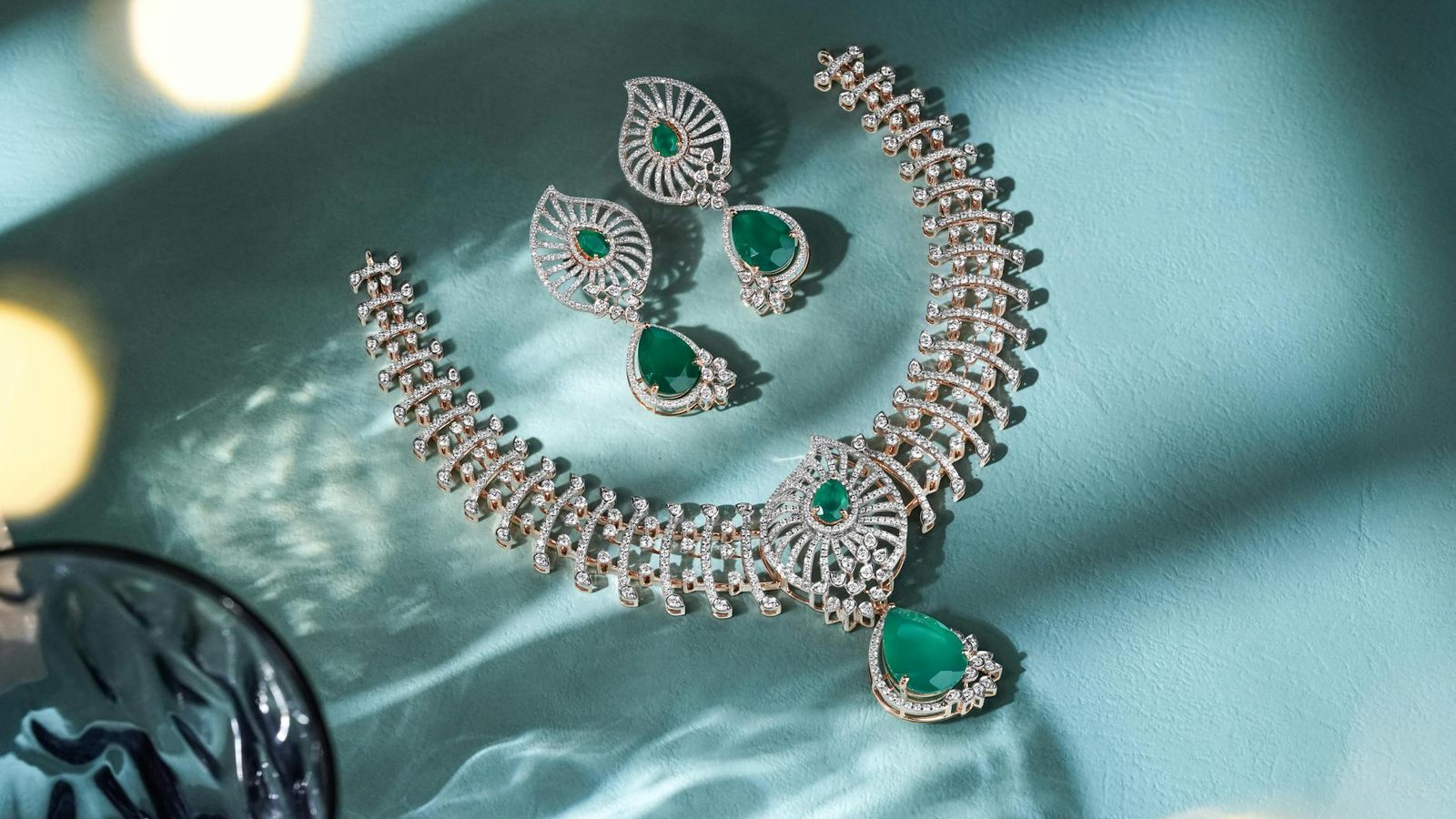
A wedding necklace suddenly became a macroeconomic problem on Monday.
Prime Minister Narendra Modi asked Indians to buy less gold for a year. The market heard something bigger. It heard stress on the rupee, pressure on imports, and possible pain for jewellers.
By closing bell, jewellery counters had taken a hard knock. Kalyan Jewellers India fell 9.27 percent, Senco Gold lost 8.18 percent, and Titan Company declined 6.73 percent. The National Stock Exchange’s Nifty 50 itself slipped 1.49 percent.
Gold becomes a market worry
Modi’s message was simple on the surface. India should cut non-essential gold buying, reduce fuel use, avoid foreign travel, and support local products.
But markets rarely stop at the surface. Investors read the speech as a warning that India’s import bill is becoming uncomfortable.
India imports most of its crude oil and a large chunk of its gold demand. Both need dollars. When those bills rise, the rupee comes under pressure.
That matters to every household, not just traders. A weaker rupee can make imported fuel, electronics, edible oil, and foreign education more expensive.
Gold is emotional in India. It sits inside weddings, festivals, family savings, and emergency planning. Asking Indians to buy less gold is never a small ask.
That is why jewellery stocks reacted so sharply. Investors worried that a patriotic appeal could turn into weaker store footfalls.
Why the rupee is under pressure
India’s problem is not that it buys gold. The problem is timing.
Crude oil prices have risen because of West Asia tensions. Brent crude touched around $103 a barrel on Monday afternoon. For India, that is a serious number.
India usually imports far more oil and gold than it exports in those categories. This creates what economists call a current account deficit.
Put simply, the country pays more dollars out than it earns in some key areas. If that gap widens, the rupee feels the heat.
Commerce ministry data showed crude oil and petroleum imports at about $174.9 billion in FY26. That was roughly 22 percent of India’s total imports.
Gold imports stood near $72 billion in the year. That made gold nearly 9.3 percent of the import bill.
The twist is important. Gold import volumes fell 4.76 percent to 721.03 tonnes in FY26. But higher prices pushed the import value to a record high.
So India bought less gold by weight, yet paid much more for it. That is the kind of math policymakers hate.
Jewellers face a double squeeze
Jewellers now face two problems at once. Demand may soften, and inventory has become painfully expensive.
The price of 10 grams of 24-karat gold is around Rs 1.52 lakh. For retailers, that means stocking showcases needs much more working capital.
Surendra Mehta of the India Bullion and Jewellers Association warned that banks may become cautious about lending to jewellery companies.
That matters because this business runs on inventory. A jeweller must buy gold before selling bangles, chains, coins, and bridal sets.
If bank funding tightens, smaller jewellers could feel the pressure first. Organised chains may still manage better access to credit.
The sector is not small. Industry estimates say gems and jewellery support more than 5 million jobs directly and indirectly.
These are not only corporate jobs. They include artisans, sales staff, polishers, wholesalers, logistics workers, and small shop employees.
So a fall in jewellery demand does not stay inside stock charts. It can travel through workshops and retail counters.
Old gold may save sales
Retailers are already trying one practical answer, exchange programmes.
Jos Alukkas, chairman of Jos Alukkas, said families can trade old jewellery for new designs. That keeps celebrations alive without adding fresh dollar demand.
This is clever because India has enormous household gold reserves. Much of it sits in lockers, cupboards, and bank vaults.
If families exchange old ornaments, retailers can keep sales moving. The country also avoids importing more gold for every new purchase.
Titan has already shown this shift. In its third-quarter commentary, the company said more than half its jewellery sales came from gold exchange programmes.
Retailers are also pushing lighter jewellery, lower-carat products, silver pieces, and gemstone-led designs.
This is not only about fashion. It is about keeping ticket sizes affordable when gold prices scare buyers.
For a family planning a wedding, the adjustment may look simple. Fewer heavy sets, more lightweight designs, and more reuse of old gold.
For investors, the question is sharper. Can organised jewellers protect profits while customers spend more carefully?
Suvankar Sen, managing director and chief executive of Senco Gold & Diamonds, said India’s yearly gold imports could fall toward 550 tonnes if these trends continue. The older average was closer to 700 tonnes.
Investors should watch policy
The market is also worried about import duty.
India currently charges an effective 6 percent import duty on gold, plus 3 percent goods and services tax at sale. Before July 2024, duties were close to 15 percent.
Sen said Modi’s remarks raise the possibility of higher gold import duty later. That would make fresh gold costlier.
Higher duty can reduce imports. But it can also raise prices for honest buyers and organised retailers.
There is also an old risk. When duties rise too much, smuggling becomes more attractive. India has seen that movie before.
Analysts are not calling the jewellery story broken. Some say quality companies may still benefit from the move from unorganised shops to organised chains.
That shift has helped brands like Titan and Kalyan over several years. Customers want certified purity, transparent billing, and buyback comfort.
But short-term investors face a rougher road. Any talk of import curbs, duty hikes, or weak demand can keep these stocks volatile.
For a retail investor with Rs 5 lakh spread across the market, a 1.49 percent Nifty fall means a paper loss of about Rs 7,450, if the portfolio moved exactly like the index.
Jewellery-heavy portfolios would have felt worse. A 9 percent fall in one stock can wipe out months of gains in a day.
Gold has always been India’s emotional insurance policy. Now it has become part of a bigger national balance-sheet debate.
The government wants fewer dollars flowing out. Families still want security, tradition, and something solid in hand. The next few months will show whether India can turn old gold into new demand, without making the rupee pay the bill.