India Sets Plan For 5,000 E100 Fuel Pumps Nationwide
India plans 5,000 E100 ethanol fuel outlets in two years, starting with pilots in major cities as it seeks to cut oil imports and expand biofuel use.
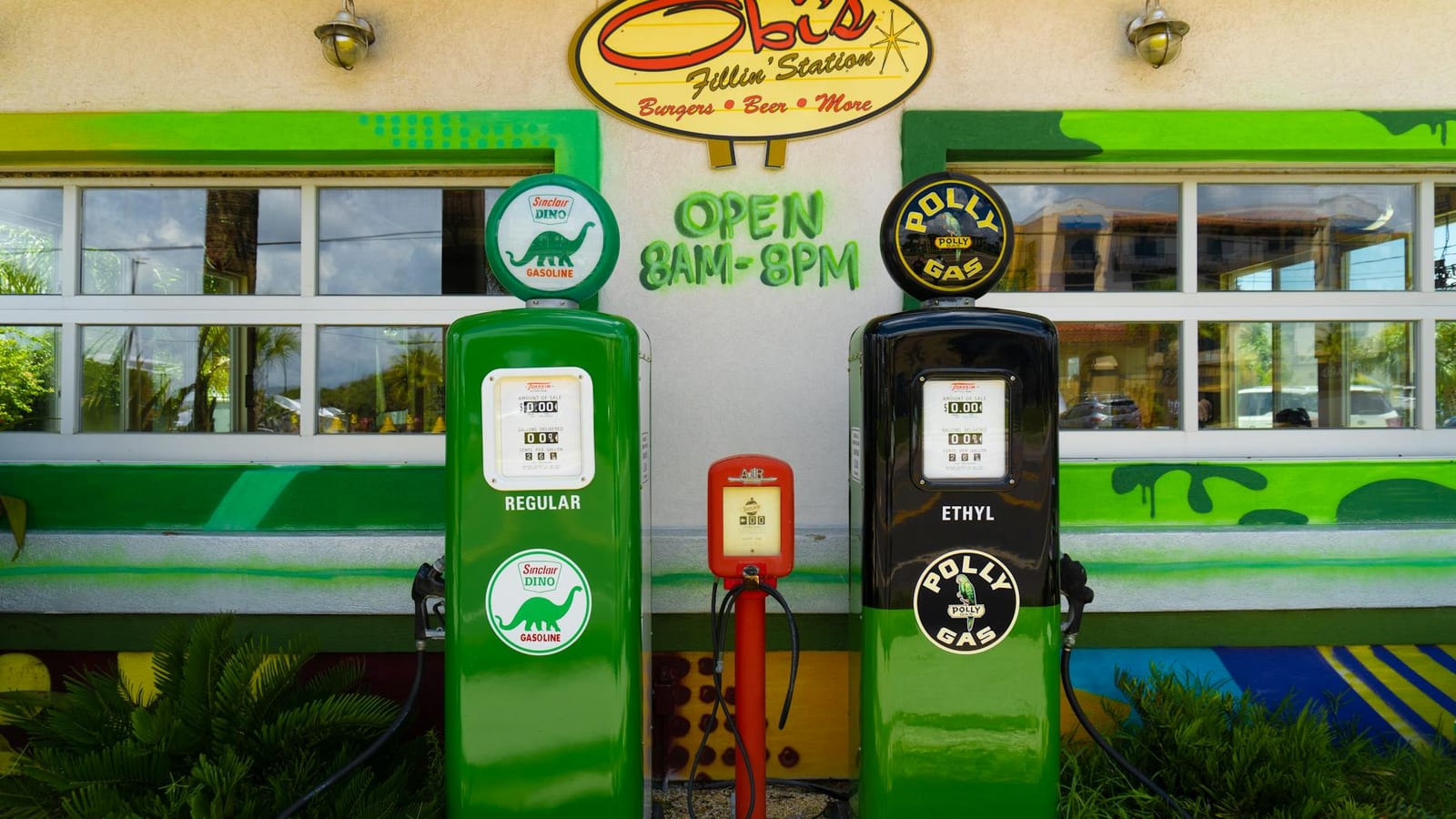
Petrol pumps may soon sell a fuel that is not petrol at all.
India is preparing to open 5,000 outlets for 100 percent ethanol fuel within two years. For a country that imports most of its crude oil, this is not a small experiment. It touches farmers, carmakers, oil companies, and every family watching fuel bills.
The plan sounds simple. Make fuel at home, from crops and bio-based feedstock, and burn less imported oil. The hard part sits at the pump, inside the engine, and finally, in the buyer’s wallet.
India’s E100 pump rollout plan
The Petroleum Ministry has laid out a three-stage plan for E100 ethanol fuel outlets across India. The first stage targets 150 pumps within a month.
These outlets will start in Delhi, Mumbai, Pune and Nagpur. That makes sense. These cities have enough vehicle demand, fuel infrastructure, and early buyers for a trial.
The second stage is larger. Over six to 12 months, the network may expand to 500 outlets. Delhi-NCR, Maharashtra, Bengaluru, Chennai, Kolkata and Hyderabad are expected to join.
The final target is the big one. Within 24 months, the government wants 5,000 outlets across the country. That would turn E100 from a pilot fuel into a visible market option.
At present, petrol in India already carries 20 percent ethanol blending. E100 goes much further. It means the vehicle runs on ethanol, not petrol with a small ethanol mix.
For ordinary drivers, the difference matters. You cannot pour E100 into every petrol vehicle and drive away. Cars and two-wheelers need flex-fuel engines.
Why the oil import bill matters
India imports nearly 90 percent of its crude oil requirement. That means fuel prices in India depend heavily on global oil markets, shipping costs, and the rupee-dollar rate.
When crude oil rises, India pays more in dollars. When the rupee weakens, the same barrel becomes costlier. That pressure finally shows up in pump prices, freight costs, and inflation.
The source numbers place India’s crude oil import bill for 2025-26 at about Rs 10.9 lakh crore. That is money leaving the country to buy energy from overseas.
Even a small reduction in oil imports can matter. It can save foreign exchange, ease pressure on the rupee, and give the government more room on fuel policy.
For households, the link is indirect but real. Cheaper imported pressure can mean less stress on diesel-led transport costs. That affects vegetables, packaged goods, cement, and almost everything moved by truck.
But ethanol is not just an oil story. It is also an agriculture story. Since ethanol can be made within India, the government sees it as a way to support farm income.
The plan could benefit millions of farmers if procurement works well. Sugarcane, grain and other feedstock markets may see steadier demand. That can help rural cash flows, especially when crop prices swing.
Still, India must handle this carefully. Fuel demand should not distort food markets. If feedstock prices rise sharply, consumers may pay through food inflation instead of fuel inflation.
Carmakers are ready, buyers are not
Several major vehicle companies have already prepared flex-fuel prototypes. The list includes Maruti Suzuki, Hyundai, Tata Motors, Toyota Kirloskar Motor, and Mahindra and Mahindra.
Two-wheeler makers are also in the frame. Hero MotoCorp and TVS Motor Company have worked on flex-fuel options.
A flex-fuel vehicle can run on different fuel blends. In simple terms, the engine can adjust when it gets petrol, ethanol, or a mix of both.
That sounds useful in a country where fuel availability changes by location. A driver in Mumbai may find E100 easily someday. A driver in a smaller town may not.
Carmakers have held back for two clear reasons. First, there are not enough E100 pumps. Second, nobody yet knows the final price logic clearly.
No company wants to sell a vehicle that buyers cannot fuel conveniently. No buyer wants to pay extra for technology that saves nothing at the pump.
This is where policy becomes the market. If the government builds pumps, fixes pricing, and gives tax support, carmakers can move faster. Without that, prototypes will remain showroom talking points.
The price problem at the pump
The biggest issue is mileage. E100 gives lower fuel efficiency than regular petrol. That means a vehicle may travel fewer kilometres on one litre.
For a daily commuter, that is not a minor detail. A person riding 40 km a day will calculate running cost, not just pump price.
The SIAM view is direct. It has suggested that E100 should be priced about 30 percent below petrol. That discount would offset the lower mileage.
That is the heart of the matter. If E100 costs only slightly less than petrol, buyers may avoid it. If it costs much less, adoption can rise quickly.
Tax also matters. The Indian Sugar and Bio-energy Manufacturers Association has argued for support such as lower GST on flex-fuel vehicles.
That could reduce the purchase price. It may also give buyers confidence that the government wants this market to last.
There is one cautionary tale already. Indian Oil Corporation had earlier tested E100 through around 400 outlets. Many saw weak consumer response and had to shut.
That tells us infrastructure alone will not do the job. India can build pumps, but people must still see savings, convenience, and trust.
Today, E100’s share in the fuel market remains below 0.5 percent. That is barely a presence. The jump to 5,000 outlets will need more than a ministry target.
India’s E100 push is really a test of economic common sense. If the fuel is cheaper, widely available, and backed by affordable vehicles, buyers will try it. If not, it will stay a good idea parked beside a closed pump. For ordinary Indians, the promise is simple: less dependence on imported oil, more value from Indian farms, and maybe a fuel bill that hurts a little less.