Gold Tops Rs 1.60 Lakh as Silver Surges on Yield Drop
Gold futures on MCX crossed Rs 1.60 lakh per 10 grams as Comex gold and silver rose, with slipping bond yields and war risks lifting bullion demand.
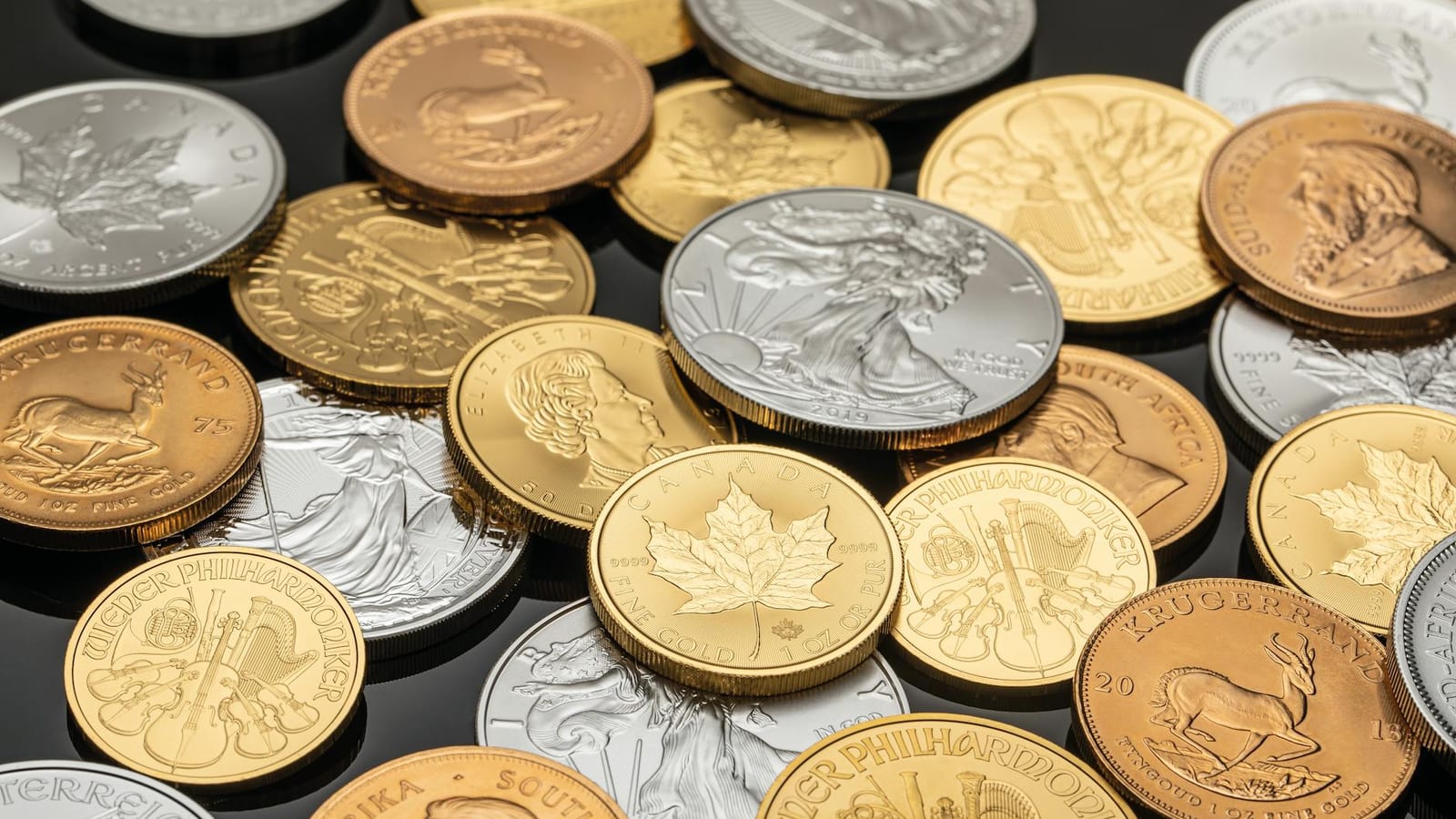
Gold crossing ₹1.60 lakh for 10 grams now sounds less like market news and more like family WhatsApp shock.
For many Indians, gold is not just a chart on a trading screen. It is wedding planning, emergency savings, a mother’s old bangles, and sometimes the only asset a household trusts.
On Wednesday, that familiar metal moved up again. Global gold prices rose, silver bounced sharply, and Indian futures followed. But behind the shine sits a messier story of war risks, high interest rates, a firm dollar, and nervous money.
Gold returns above ₹1.60 lakh
Gold futures on MCX climbed ₹1,298 per 10 grams in intraday trade. The near-month contract touched ₹1,60,378, taking gold back above the ₹1.60 lakh mark.
That matters because gold had stayed below this level for the previous three sessions. Last week, it had already gained about 4 percent. So this move did not come from nowhere.
In global trade, Comex gold rose $29 per troy ounce and touched $4,540. A troy ounce is the standard weight used in global bullion trade. It is about 31.1 grams.
For an Indian buyer, the global price matters directly. India imports much of its gold. So when international prices rise, local prices usually follow, after adding currency moves, duties, and local demand.
Silver also joined the move. MCX silver futures rose ₹6,178 per kg and hit ₹2,76,797 during the day. That is a large single-session swing for anyone trading silver contracts.
But silver is still not back at its recent top. From its peak of ₹3,04,891 per kg, it remains lower by ₹28,094, based on Wednesday’s intraday high.
Why yields are driving bullion
The immediate reason for the rise was simple. Bond yields eased a little.
That may sound dull, but it drives gold more than most people think. Gold does not pay interest. A fixed deposit pays interest. A government bond pays interest. Gold just sits there and moves in price.
So when US bond yields climb, investors ask a basic question. Why hold gold when safer paper offers good returns? That hurts gold.
When yields slip, gold gets some breathing room. That is what happened in Wednesday’s trade.
Still, the relief was limited. The US 10-year Treasury yield stayed near its highest level in more than a year. The dollar index also hovered near a six-week high, even after retreating from its intraday peak to 98.82.
A strong dollar creates another problem. Gold and silver trade globally in dollars. When the dollar strengthens, buyers using rupees, yen, euros, or yuan pay more in local currency.
That is why Indian gold can rise even when global prices move modestly. The rupee angle can add another push.
Kotak Securities said high Treasury yields and a firm dollar may keep pressure on precious metals in the near term. But it also flagged geopolitical risk, sticky inflation, and energy market disruption as strong support for bullion.
In plain English, gold is stuck between two forces. High rates pull it down. Fear pushes it up.
Middle East risk keeps traders alert
The bigger worry sits in the Middle East.
The market is watching the US-Iran conflict closely. It is also watching delays around reopening the Strait of Hormuz, one of the world’s most important oil routes.
If oil movement through that channel gets disrupted, crude prices can rise. Costlier oil feeds inflation. Inflation then makes central banks less willing to cut interest rates.
That chain matters for every Indian household. Dearer crude can make fuel, transport, and many daily goods costlier. For businesses, it raises logistics bills. For consumers, it quietly eats into the monthly budget.
US President Donald Trump warned that America could restart strikes on Iran within “two or three days” if Tehran did not accept Washington’s peace terms.
Iran’s Revolutionary Guard also warned that any renewed US and Israeli attacks could widen the conflict beyond the region.
Markets do not wait for full clarity in such moments. They price fear early. Gold benefits from that instinct because investors see it as a shelter when politics turns unstable.
This does not mean gold rises in a straight line. It rarely does. But war risk gives it a floor, especially when oil and inflation fears move together.
Silver rebounds, but scars remain
Silver’s move looked sharper than gold’s on Wednesday. Comex silver futures rose $1.8 per ounce to $76.99, after four straight sessions of losses.
That sounds strong, and it was. But silver remains nearly 16 percent below its recent high of $90 per ounce.
Silver behaves differently from gold. Gold is mostly a financial and cultural asset. Silver also has heavy industrial use. Solar panels, electronics, electric vehicles, and other industries use it.
So silver reacts to both fear and growth. When investors panic, it can rise with gold. When traders worry about demand, it can fall harder.
That is why silver often gives retail investors a rougher ride. Its moves can look exciting on the way up. They can feel brutal on the way down.
For a small investor, the ₹6,000-plus rise in MCX silver may tempt a quick trade. But the gap from the recent peak shows the other side of the bargain.
The safer lesson is boring, but useful. Silver is not just “cheaper gold.” It has its own cycle, its own demand story, and much sharper mood swings.
Fed minutes may set the tone
The next cue comes from the US Federal Reserve. Traders are waiting for the minutes of its latest policy meeting.
Minutes are a written record of what central bankers discussed. They help markets guess where interest rates may go next.
Right now, markets see very limited room for US rate cuts through most of 2026. Some traders even expect rates to stay unchanged or turn tighter later in the year.
That view matters for India too. Higher US rates can keep the dollar strong. A strong dollar can pressure the rupee. A weaker rupee can make imported gold costlier.
For Indian families, this plays out in familiar ways. Jewellery buyers face steeper bills. Investors holding gold funds see portfolio values move. Young couples planning wedding purchases may need to cut weight, delay buying, or switch designs.
For traders, the calculation is sharper. If the Fed sounds tough, bullion may lose steam. If it sounds worried about growth or inflation shocks, gold could hold firm.
For now, gold has support from fear and inflation. But it still faces resistance from high yields and a strong dollar.
That is the honest picture. Gold is no longer cheap comfort. It has become an expensive hedge in an anxious world. For ordinary Indians, the next move will not just decide trading profits. It may decide wedding budgets, savings choices, and how much trust families still place in the old yellow metal.