Gold slips as rate cut hopes fade on inflation worries
Gold and silver fell as higher oil, bond yields and sticky inflation fears pushed investors to price in higher-for-longer interest rates globally.
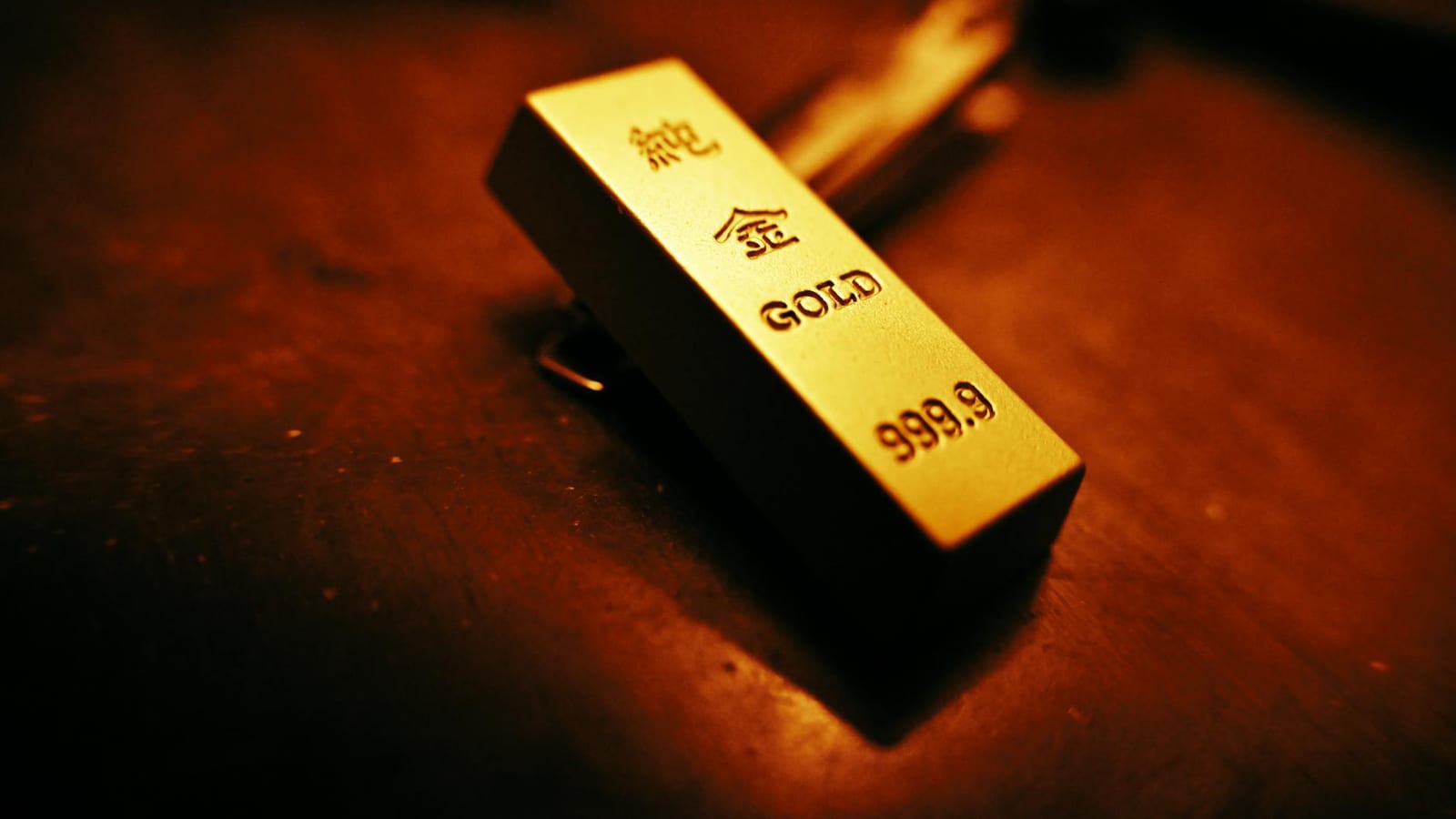
Gold did not behave like a safe haven this week. It behaved like an asset worried about interest rates.
Spot gold fell 1.8 percent to $4,486.63 an ounce on Tuesday in New York. For an Indian investor with ₹5 lakh in gold funds, a similar fall means about ₹9,000 wiped off on paper.
Silver had a rougher day. It dropped 5 percent to $73.81 an ounce, after a wild run that had taken it near $90 last week.
Inflation fear hits bullion
Gold slipped as much as 2.2 percent before recovering part of the loss. The trigger was not one clean event. It was a messy mix of war risk, higher oil prices, rising bond yields, and renewed fear that inflation may stay sticky.
The market’s worry is simple. If energy prices rise, transport, manufacturing, food, and imports all become costlier. Central banks then find it harder to cut interest rates.
That matters because gold pays no interest. When bank deposits and bonds offer better returns, some investors move money away from bullion.
The Federal Reserve sits at the centre of this trade. Investors had expected rate cuts earlier. Now they fear the Fed and other central banks may keep rates high for longer, or even turn tougher if inflation gets worse.
For Indian households, this does not stay on trading screens. Higher global rates can pressure the rupee. A weaker rupee makes imported goods dearer, including crude oil and gold.
So a fall in global gold prices may not always mean cheaper jewellery at home. The rupee, customs duty, and local premiums can soften or even erase that benefit.
War risk loses its shine
Normally, war scares push investors into gold. This time, the reaction has become more complicated.
The conflict involving Iran and Israel first raised fears of supply shocks in energy markets. Oil is the old villain in every inflation story. When crude turns expensive, the world starts counting the cost at petrol pumps and factory gates.
That fear pushed global bond yields higher. Long-term US yields climbed to levels last seen around 2007, just before the global financial crisis.
Bond yields are the return investors demand for lending money. When yields rise, bonds become more attractive. Gold then looks less tempting because it does not pay income.
This explains why bullion has fallen nearly 15 percent since the conflict began. A ₹5 lakh gold holding would be down about ₹75,000 if it moved in line with that fall.
That is not small money. For a family saving for a wedding, it changes the maths. For a retiree using gold as a safety cushion, it can feel unsettling.
Still, many investors do not buy gold for quick returns. They buy it because it sits outside the usual financial system. It does not depend on one company, one bank, or one government.
Vasu Menon of OCBC said oil prices, bond yields, and the Middle East situation may keep pressure on gold in the short term. He still sees gold as a hedge against global uncertainty.
That is the real tension here. Traders see falling prices. Long-term savers see insurance becoming cheaper, at least in dollar terms.
Silver tells a sharper story
Silver’s fall was even more dramatic. It sank 5 percent, touching its lowest level in nearly two weeks.
This comes after a sharp rally earlier in the month. Silver had climbed close to $90 an ounce last week. That move came partly from excitement around artificial intelligence stocks and demand for metals used in data-centre infrastructure.
Silver is not just a precious metal. It is also an industrial metal. Factories use it in electronics, solar panels, and high-end technology equipment.
That gives silver a split personality. It can rise when investors want safety. It can also rise when traders expect strong industrial demand.
But that same quality makes it jumpy. When investors get nervous about growth or rates, silver can fall faster than gold.
For Indian buyers, silver has always had a different place. It is cheaper than gold, widely gifted, and popular among smaller savers. But its price swings can be harsher.
A 5 percent daily fall means a ₹2 lakh silver exposure loses ₹10,000 on paper. That kind of move is hard to ignore for retail investors.
Platinum and palladium also declined, showing that the pressure was not limited to one metal. The broader precious metals basket felt the weight of rates and inflation fears.
What Indian investors should watch
The first thing to watch is oil. If crude prices stay high, inflation fear will not disappear. That can keep central banks cautious.
The second is the US bond market. When long-term yields rise, global money moves. Foreign investors often rethink risky assets, including emerging market stocks.
The third is the rupee. A weak rupee can make imported gold costlier in India, even when dollar prices fall abroad.
The fourth is local demand. India’s jewellery market does not move only on global charts. Weddings, festivals, rural incomes, and household sentiment all matter.
For young professionals buying gold through exchange-traded funds, the lesson is clear. Gold is not a straight-line safe asset. It can fall sharply when interest-rate expectations change.
For families buying jewellery, timing becomes tricky. A global fall may look attractive. But local prices can stay firm if the rupee weakens or demand rises.
For portfolio investors, gold still has a role. But that role is balance, not excitement. It protects when stocks stumble, currencies shake, or politics turns ugly.
The smarter question is not whether gold will rise tomorrow. It is whether your portfolio can handle a world where inflation, war, and interest rates pull in different directions.
Gold’s latest fall reminds us that safety also has a price. Sometimes that price moves against you before it protects you. For ordinary Indian savers, the best answer may be boring but useful: buy gradually, avoid panic, and remember why you bought gold in the first place.