Gold slips as oil-led inflation dims rate cut hopes
Gold prices fell as high oil costs revived inflation worries, pushing investors to price in tighter US rates and lowering bullion's appeal.
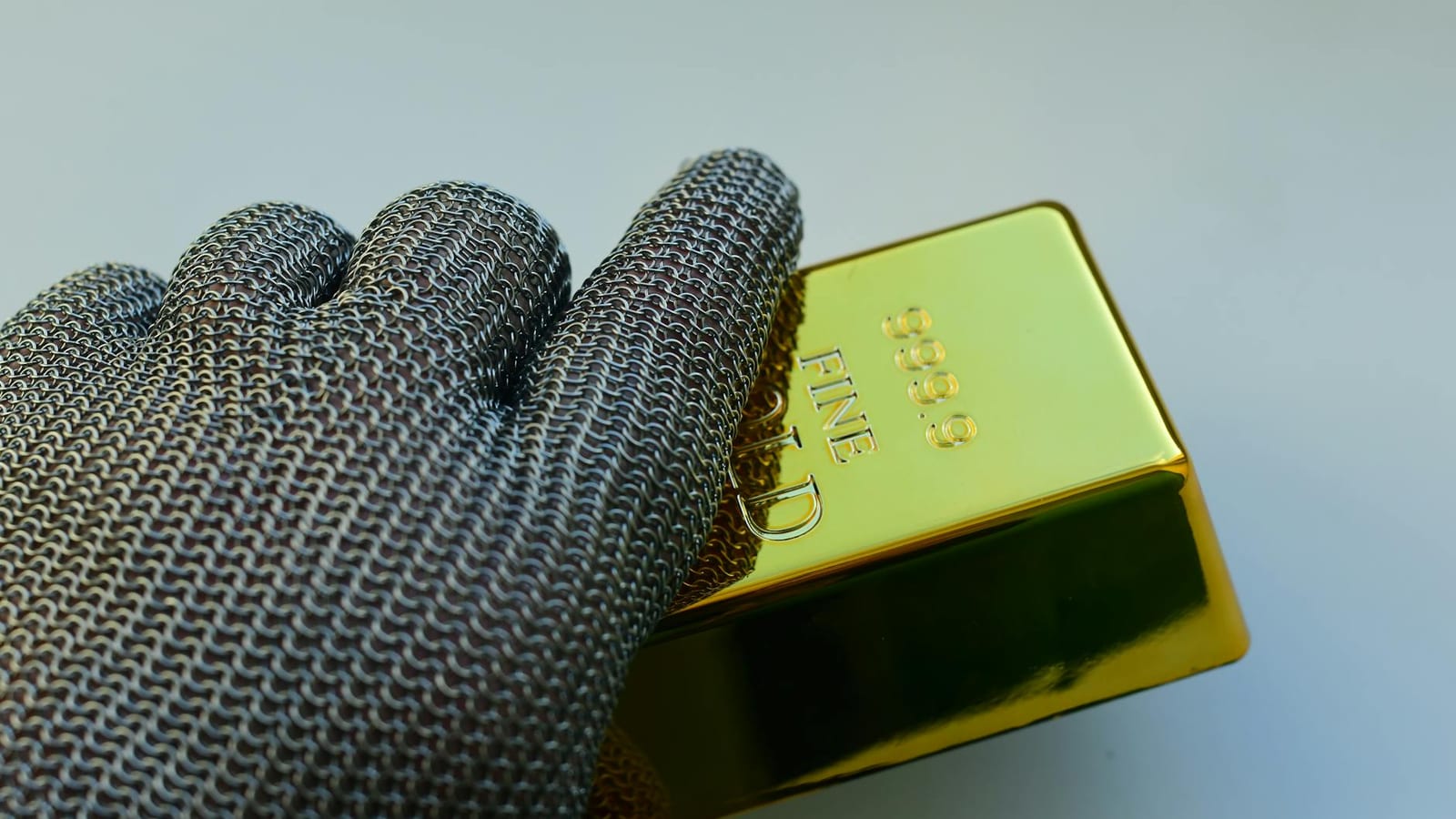
Gold is supposed to shine when the world looks unsafe. This week, it did the opposite.
Spot gold fell as much as 2.2 percent on Tuesday before trimming some losses. By late morning in New York, it was still down 1.8 percent at $4,486.63 an ounce.
For Indian families, this is not just a market chart. It touches wedding budgets, jewellery purchases, gold loans, and portfolios where gold sits as the old reliable hedge.
Why gold lost its shine
The immediate trigger was inflation fear. Oil prices have stayed high because of the war involving the US, Israel, and Iran. Costlier oil usually means costlier transport, costlier goods, and more pressure on household budgets.
That matters for gold because central banks hate sticky inflation. If prices keep rising, they may delay rate cuts or even raise rates again.
The Federal Reserve sits at the centre of this trade. When US interest rates stay high, investors can earn better returns from bonds and deposits. Gold pays no interest. So some money moves away from bullion.
This is the odd part. War usually supports gold. But inflation caused by war can hurt it, if investors think central banks will stay tough.
That is exactly what markets are pricing now. Bond yields have jumped, especially long-term yields. The 30-year yield climbed to levels last seen around 2007, near the edge of the global financial crisis.
For a trader, that is a loud signal. For a small investor, it means the cost of money may stay high for longer.
Oil, bonds and Indian buyers
India does not set global gold prices. But Indian buyers feel every global swing quickly.
Gold is priced internationally in dollars. Indian buyers also watch the rupee. If gold falls in dollar terms but the rupee weakens, local prices may not fall as much.
That is why many Indian shoppers get confused. They read that gold has corrected abroad, but the jeweller’s quote still looks painful.
A family planning jewellery for a wedding may not see a neat 2 percent discount. Import duties, taxes, making charges, and currency moves all sit on top.
Gold has already fallen nearly 15 percent since the conflict began. That sounds large. But it comes after a strong run, where fear, central bank buying, and rate-cut hopes had pushed bullion higher.
The real question now is simple. Are investors buying safety, or are they chasing yield?
If bond returns rise, gold has to work harder. It must convince investors that safety matters more than income. That is not easy when cash and bonds suddenly look attractive.
Silver’s sharper fall
Silver had an even rougher session. It fell 5 percent to $73.81 an ounce. It also slipped to its lowest level in almost two weeks.
Silver behaves differently from gold. Gold is mostly a fear and wealth-preservation asset. Silver has a bigger industrial role.
It goes into electronics, solar panels, and other industrial uses. Recently, traders also linked silver demand to data centres and artificial intelligence infrastructure.
That helped silver jump close to $90 an ounce last week. Then the mood changed fast.
When investors grow nervous about high rates, expensive growth stories cool down. Metals linked to those stories can fall harder.
That is why silver often swings more than gold. It can rise like a risk asset, then fall like one too.
For Indian buyers, silver’s volatility matters in two ways. Some households buy silver coins and utensils during festivals. Some traders use it as a cheaper entry into precious metals.
But cheaper does not mean safer. A 5 percent daily fall can hurt badly if someone entered late.
Rate cuts are no longer assured
A few weeks ago, many investors expected central banks to cut rates as growth slowed. That would have helped gold.
Lower rates make gold more attractive because investors give up less income by holding it. In plain English, gold does better when fixed income looks boring.
But high energy prices have changed that calculation. If oil keeps pushing inflation up, central banks may wait.
The Fed has to choose between two risks. Cut too early, and inflation may return. Stay too tight, and growth may weaken.
That tension is now visible across global markets. Bonds are selling off, yields are rising, and gold is wobbling.
Vasu Menon, a strategist at OCBC, said the Middle East situation, oil prices, and bond yields could keep pressure on gold in the short term. He still sees gold as useful protection against global uncertainty.
That is a sensible split. Gold can fall in the near term and still remain useful in a long-term portfolio.
Retail investors should not confuse a hedge with a guaranteed profit. A hedge reduces risk across bad scenarios. It does not rise every day there is bad news.
What investors should watch
The first thing to watch is oil. If crude stays elevated, inflation worries will stay alive.
The second is US bond yields. When yields rise, gold usually faces pressure. When yields cool, gold gets breathing room.
The third is the dollar. A stronger dollar often makes gold costlier for non-US buyers. That can reduce demand.
Indian investors should also track the rupee. A weaker rupee can blunt the benefit of falling global prices.
For someone with a ₹5 lakh portfolio, a 10 percent gold allocation means ₹50,000 in gold. A 2 percent fall reduces that slice by about ₹1,000. It is not pleasant, but it is not a disaster.
The bigger mistake is buying only because prices rose last month. Gold works best when bought with a clear role.
For households, that role may be jewellery. For investors, it may be protection. For traders, it may be a short-term bet. These are three different decisions.
Mixing them creates trouble. A wedding purchase cannot wait for the perfect chart. A trading position cannot be justified as tradition.
Gold’s fall is a reminder that markets rarely move in straight lines, even during war. Fear supports gold, but high interest rates fight it. Indian buyers should watch both before rushing in.
The next few weeks will show which force is stronger. If inflation hardens, gold may stay under pressure. If growth fears return, it may find support again. For ordinary readers, the lesson is old but useful: buy gold for balance, not excitement.