Gold and silver slide as dollar and rate fears bite
Gold and silver futures fell sharply as a firm dollar, oil-led inflation worries and expectations of higher US rates hit investor demand.
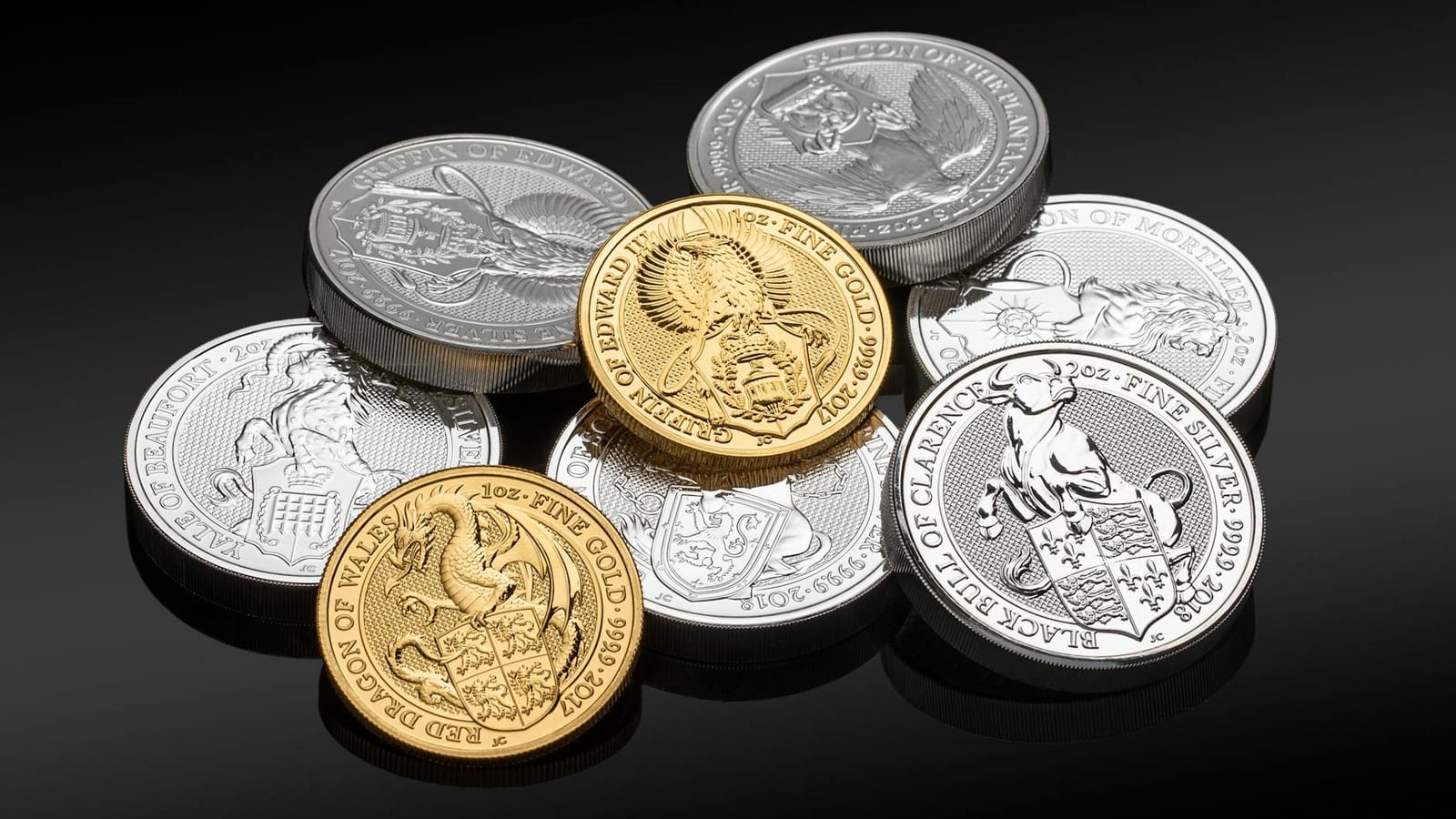
Gold gave back nearly ₹1,500 in a single trading day. For a family holding gold worth ₹5 lakh, that is roughly a ₹4,500 paper hit.
Silver moved harder. A ₹5 lakh silver position lost about ₹10,000 in value, going by the day’s fall on Indian futures.
This was not a jewellery-shop story. It was a global money story, with oil, war, the dollar, and US interest rates all pulling at the same thread.
Gold loses shine on rate fears
International gold slipped sharply on Thursday, May 21. Comex gold fell $47 per troy ounce to touch $4,488 during the day.
Silver futures dropped $1.5 per ounce to $74.69. Since the war began in late February, gold has fallen 14 percent. Silver has lost 18.3 percent.
That sounds odd at first. War usually helps gold, because investors treat it as safety. But markets are rarely that neat.
The bigger worry now is inflation. Brent crude has stayed above $100 a barrel because traders fear supply trouble in West Asia. Costlier oil can push up fuel, freight, and eventually everyday prices.
When inflation looks sticky, investors start betting that the US Federal Reserve may raise interest rates again. Higher rates hurt gold because gold pays no interest.
A bank deposit pays interest. A US bond pays interest. Gold just sits there, waiting for price gains. So when bond yields rise, some investors move money away from bullion.
Dollar strength hits Indian buyers
The dollar also firmed on Thursday. The dollar index rose to 99.41 against a basket of major currencies.
That matters for Indian buyers. Gold and silver trade globally in dollars. When the dollar strengthens, these metals become costlier for buyers using rupees, euros, or yen.
Yet prices still fell in India because the global sell-off was heavy. On the MCX, near-month gold futures dropped ₹1,464 per 10 grams to ₹1,58,542.
That fall pulled gold back below the ₹1.60 lakh level. It had crossed that mark in the previous session after four days.
Silver saw a sharper fall. MCX silver futures lost ₹5,515 per kilogram and touched ₹2,68,750 during the day.
That wiped out Wednesday’s gain of ₹4,146. Still, silver stayed well above ₹2.50 lakh per kilogram.
Last week, silver had crossed ₹3 lakh per kilogram for the first time in over two months. So traders are not looking at a small market move here. They are watching a very expensive asset swing violently.
For households, this matters in two ways. Buyers waiting for wedding jewellery may welcome a fall. But families who bought recently at higher levels will feel the pinch.
West Asia keeps oil boiling
The pressure on metals comes from the same place that has troubled global markets for months, West Asia.
Talks around reopening the Strait of Hormuz have become harder after Iran’s Supreme Leader said the country must retain its uranium.
That statement cooled hopes that the conflict could move quickly toward a settlement. The strait is a narrow but vital route for global oil shipments.
If ships face trouble there, oil prices can jump. When oil rises, inflation fears return quickly. Petrol, diesel, aviation fuel, plastics, chemicals, and transport costs all feel the pressure.
US President Donald Trump has assured Israel that Iran’s highly enriched uranium stockpile would be removed under any deal, Israeli officials said.
Trump also said he could wait a few days for what he called the right answers from Tehran. That line had briefly helped Wall Street stocks.
But he also kept the threat of fresh strikes on the table. Markets heard both messages. They liked the pause, but they did not forget the risk.
This is why gold is behaving strangely. War risk supports gold. Rate risk hurts gold. Right now, rate risk seems to be winning.
Fed bets change the bullion mood
Minutes from the Federal Reserve’s latest policy meeting showed a cautious central bank. Most officials felt another rate hike could still happen if inflation stayed above the Fed’s 2 percent target.
That single idea changed market mood. Traders now see a 58 percent chance of at least one 25 basis point rate hike this year, CME’s FedWatch Tool showed.
A basis point is one-hundredth of a percentage point. So 25 basis points means a quarter percentage point increase.
That may sound tiny. But in global finance, it can shift billions of dollars across bonds, stocks, currencies, and commodities.
For an Indian investor, the chain is simple. Higher US rates support the dollar. A stronger dollar pressures emerging markets. It can also make gold less attractive for large global funds.
Retail investors often see only the final price on a trading app. But behind that price sit oil tankers, central bankers, currency desks, and war-room politics.
This is also why short-term trading in gold and silver has become risky. A hopeful headline can lift prices. One hawkish Fed signal can pull them down again.
Silver carries an extra burden
Silver has another problem. It is both a precious metal and an industrial metal.
People buy it for safety, like gold. But factories also use it in solar panels, electronics, and other products.
So silver reacts to two different stories. It moves with investment demand, and it also moves with industrial expectations.
When growth fears rise, silver can fall harder than gold. That is exactly what Thursday’s price action suggested.
The metal’s ₹5,515 fall on MCX was steep enough to erase the previous session’s gain. For traders, that shows how fragile the rally had become.
Still, silver trading above ₹2.50 lakh per kilogram tells another story. Prices remain high by ordinary household standards. The fall is large, but the base is also very elevated.
For small investors, that distinction matters. A fall from extreme levels is not automatically a bargain. It may simply mean volatility has increased.
Gold and silver are not losing their place in Indian portfolios. They still serve as insurance against uncertainty.
But Thursday’s fall is a useful reminder. Even safe-haven assets can hurt when bought at hot prices. For ordinary readers, the next few weeks will depend less on jewellery demand and more on oil, the dollar, and what the Fed says next.