Gold, silver slide as dollar and inflation bite hard
Gold and silver futures fell sharply on MCX and Comex as a stronger US dollar, crude oil and inflation worries kept pressure on precious metals.
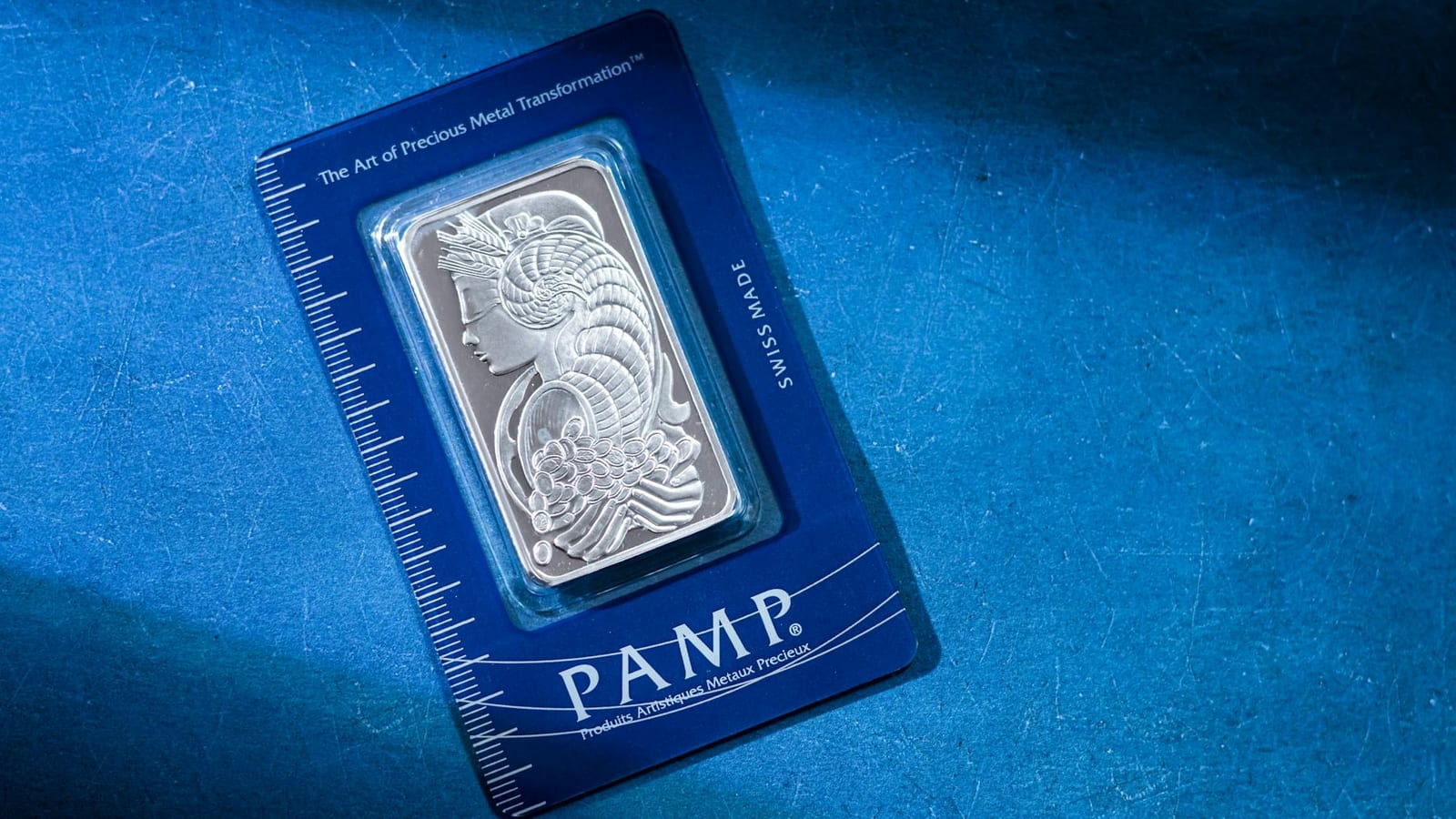
A ₹1,000 fall in gold may sound small in Mumbai’s Zaveri Bazaar. But for a family planning wedding jewellery, it changes the bill quickly.
Gold and silver slipped again on May 19, with global prices under pressure from a firm US dollar, high crude oil prices, and sticky inflation fears. In India, near-month gold futures on MCX fell ₹1,000 per 10 grams to ₹1,58,420.
Silver took the harder hit. MCX silver futures dropped ₹10,722 per kg to ₹2,65,929. For traders, that is a sharp move. For households, it is a reminder that precious metals can swing wildly, even when they feel “safe”.
Gold slips below key mark
Gold stayed below ₹1.60 lakh per 10 grams for the third straight session. That level matters because traders often treat such round numbers as psychological markers.
In simple terms, buyers pause when prices fail to cross them. Sellers become more confident. That keeps pressure on the price, at least in the short run.
Globally, Comex gold fell $91 per troy ounce to $4,467 during the day. Silver futures dropped $4.1 per ounce to $73.34.
Silver has now fallen for four straight sessions. From its recent MCX high of ₹3,04,891 per kg, it has corrected by ₹38,962. That is not a mild dip. It is a serious shakeout.
For a retail investor holding silver through futures or ETFs, the fall hurts fast. For jewellers and industrial buyers, it may open a buying window. But only if they can stomach more volatility.
Dollar and yields tighten pressure
The main problem for bullion is not one single trigger. It is a cluster of them.
The US dollar index rose 0.24 percent to 99. A stronger dollar makes gold and silver costlier for buyers using other currencies. When that happens, global demand often cools.
Bond yields also remain near multi-year highs. A bond yield is the return investors earn by holding government debt. When yields rise, gold becomes less attractive.
That is because gold does not pay interest. It only gains if the price rises. So when bonds offer better returns, large investors move money away from bullion.
High crude oil prices have added another layer of worry. Costlier oil feeds inflation because transport, power, and raw material costs rise. That can eventually show up in grocery bills, airfares, and company margins.
The Federal Reserve faces the same problem. If inflation stays high, it may delay rate cuts. Some traders now even discuss the risk of another rate hike before year-end.
For Indian buyers, this matters more than it first appears. A stronger dollar can weaken the rupee. A weaker rupee makes imported gold more expensive in India, even when global prices fall.
Iran conflict keeps traders nervous
Markets also have one eye on West Asia. The Iran conflict has crossed 80 days, and the Strait of Hormuz remains a worry.
That shipping route carries a large share of the world’s oil trade. If traffic there faces disruption, crude prices can rise quickly. India, as a major oil importer, feels that through fuel prices and inflation.
Donald Trump said he had authorised fresh attacks against Iran this week. He also said he held back after leaders from Qatar, Saudi Arabia, and the United Arab Emirates sought more time for diplomacy.
That message gave markets a mixed signal. On one side, diplomacy could reduce risk. On the other, traders do not see a quick end to the conflict.
Kotak Securities said sentiment remains fragile. It noted that markets still doubt whether peace in West Asia can arrive soon.
A recent summit between Trump and Xi Jinping also failed to produce a clear breakthrough on reopening the strategic shipping route. That kept uncertainty alive.
Usually, geopolitical fear supports gold. But this time, inflation and high yields are stronger forces. That is why bullion has not behaved like a classic safe-haven asset.
What investors should watch
The next few signals will come from the United States. Traders will watch the FOMC minutes and flash US PMI data.
The FOMC is the Fed’s rate-setting committee. Its minutes show how officials discussed inflation, growth, and interest rates. Investors read them closely for hints.
PMI data tracks business activity. If factories and services look strong, the Fed may feel less pressure to cut rates. That can hurt gold again.
If US data weakens, the story changes. Lower growth can revive rate-cut hopes. It can also bring back safe-haven buying in gold and silver.
For Indian households, the lesson is simple. Gold is not only about festivals, weddings, and tradition anymore. Its price now moves with Washington, oil tankers, bond markets, and war risk.
Small investors should avoid treating every fall as a bargain. A ₹1,000 drop per 10 grams looks tempting. But if the dollar strengthens further, domestic prices may not fall much.
Silver needs even more care. It moves with both investment demand and industrial use. That makes it sharper on the way up, and harsher on the way down.
For now, bullion buyers have breathing space, not certainty. Families planning jewellery can stagger purchases. Investors can wait for clearer signals from rates, the dollar, and West Asia. Gold still has its old emotional pull in India, but this market now demands a cooler head.