Gold, Silver Prices Slide As Dollar And Inflation Bite
Gold and silver fell sharply on Comex and MCX as inflation worries and a stronger dollar hit precious metals, deepening losses from recent highs.
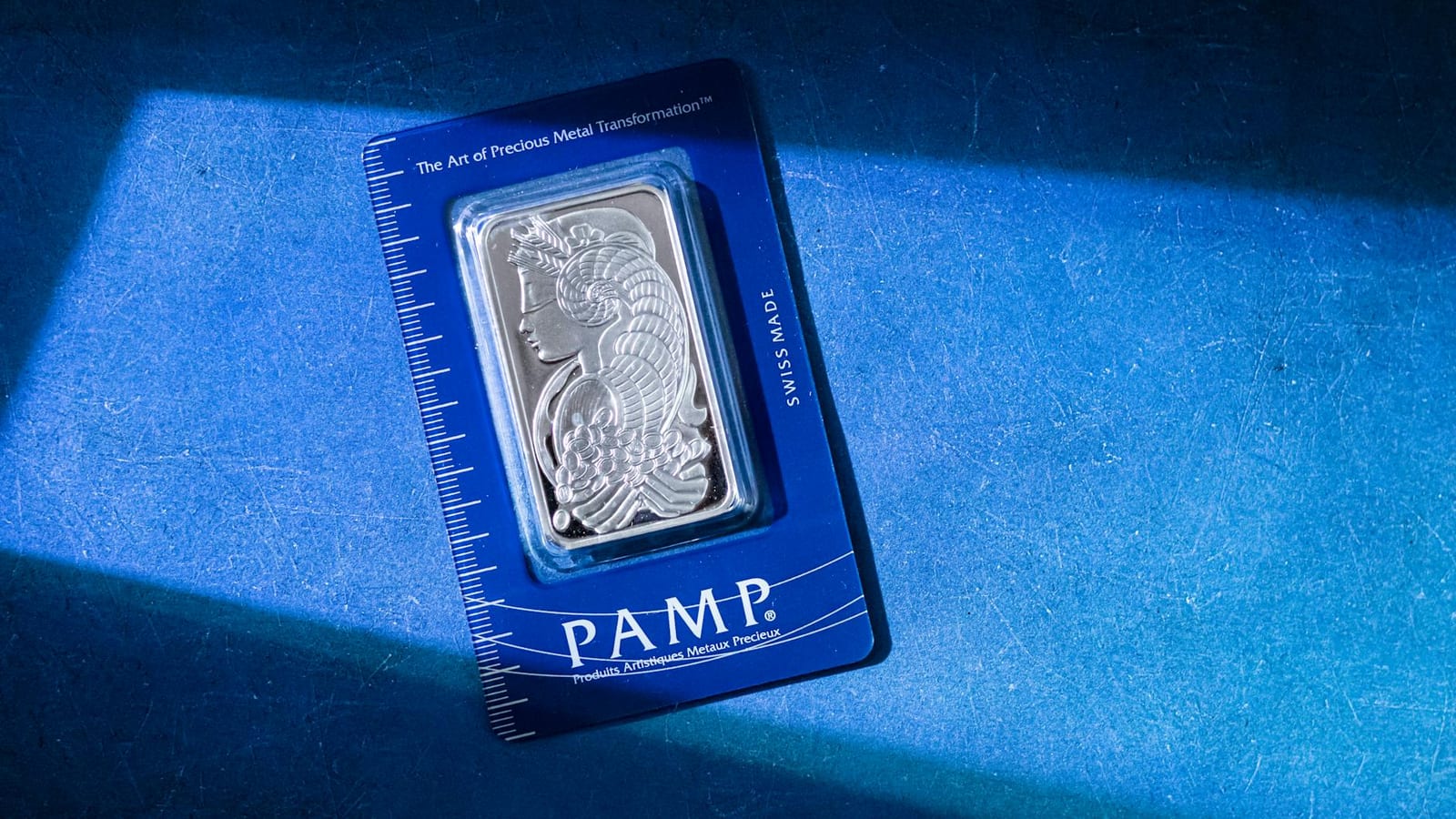
Gold suddenly looks less like a one-way bet this week.
For Indian families who bought jewellery near the recent highs, and for investors sitting on gold ETFs, Tuesday’s fall was a reminder. Even safe-haven assets can swing hard when inflation, oil, the dollar, and war all pull markets at once.
On May 19, international gold and silver prices fell sharply. Comex gold dropped $91 per troy ounce to $4,467. Silver fell even harder, down $4.1 per ounce to $73.34.
Gold slips below key levels
In India, the fall quickly showed up on the MCX. Near-month gold futures dropped ₹1,000 per 10 grams to an intraday low of ₹1,58,420.
That kept gold below ₹1.60 lakh for the third straight session. For a household looking at a 50-gram jewellery purchase, that ₹1,000 fall means roughly ₹5,000 less before making charges and taxes.
Silver saw a much sharper move. MCX silver futures fell ₹10,722 per kg to ₹2,65,929 during the day.
That number matters for investors who entered late. From its recent high of ₹3,04,891, silver has corrected ₹38,962 per kg. In plain English, someone holding one kg from the peak is now staring at nearly ₹39,000 in paper losses.
Gold had gained strongly last week, ending about 4 percent higher. So this fall does not erase the larger rally. But it does show how jumpy the market has become.
Why bullion is under pressure
The main pressure is coming from a familiar mix: expensive oil, sticky inflation, high bond yields, and a firm US dollar.
When crude oil stays high, transport and fuel costs rise across economies. That keeps inflation alive. Central banks then feel less comfortable cutting interest rates.
The US Federal Reserve now faces exactly that problem. Stronger US inflation numbers have reduced hopes of rate cuts this year. Traders have even started discussing whether another rate increase could arrive before year-end.
This hurts gold in a simple way. Gold does not pay interest. A bond does.
So when bond yields rise, investors ask a basic question. Why hold gold when US bonds offer a better return with lower daily drama?
US bond yields recently climbed near multi-year highs. They still remain close to those levels. That has reduced the appeal of bullion for global funds.
The dollar added another layer of pressure. A key US dollar gauge rose 0.24 percent to 99. A stronger dollar makes gold and silver costlier for buyers using other currencies.
For Indian buyers, that matters twice. Global prices move in dollars, while local prices also depend on the rupee. So a strong dollar can cushion some falls in India, or worsen gains, depending on the rupee’s move.
Iran conflict keeps traders nervous
The market is not ignoring geopolitics. It is simply confused by it.
Donald Trump said on Monday that he had cleared a fresh wave of attacks against Iran. He also said he was holding back after leaders from Qatar, Saudi Arabia, and the United Arab Emirates asked for more time for diplomacy.
That is the kind of headline gold usually likes. War risk often sends money into bullion.
But this time, the signal is mixed. If conflict raises oil prices, inflation may stay high for longer. If inflation stays high, rate cuts move further away. That can hurt gold even while war risk supports it.
Kotak Securities said market sentiment remained fragile. The brokerage noted that Trump had hinted at possible progress on peace. But it also said traders were not convinced that the West Asia conflict would end soon.
The Iran conflict has now dragged on for more than 80 days. Disruptions around the Strait of Hormuz remain a major worry.
That shipping route matters because a large share of global oil moves through it. Any blockage or threat there can raise crude prices quickly. For India, which imports most of its oil, that becomes a direct inflation risk.
The recent summit between Trump and Chinese President Xi Jinping also failed to produce clear progress on reopening the strategic route. Markets hate this kind of half-light. Traders can price war. They can price peace. They struggle with uncertainty.
What Indian investors should watch
The next few days will depend less on jewellery demand and more on global data.
Kotak Securities said traders will watch the Federal Open Market Committee minutes and flash US PMI data. The FOMC minutes show how Fed officials discussed rates. PMI data gives a quick read on business activity.
If US data stays strong, markets may assume inflation will remain stubborn. That can keep bond yields high and cap gold’s recovery.
If US data weakens, gold may find support again. A slowing economy increases hopes of rate cuts. It also revives safe-haven buying.
For Indian retail investors, the lesson is simple. Gold is not a fixed deposit. It can protect wealth over long periods, but its daily price can move sharply.
A ₹5 lakh gold portfolio falling by about 1 percent means a ₹5,000 paper loss. That may not sound huge, but bigger moves can come fast in commodities.
Silver needs even more caution. It behaves partly like a precious metal and partly like an industrial commodity. That means it can rise faster than gold, but it can also fall harder.
This is why late buying after sharp rallies often hurts. Investors see headlines about record highs and rush in. Then the market cools, and the same people wonder whether they bought at the wrong time.
For families buying jewellery, the approach is different. They are not trading the Fed or the dollar. They are buying for weddings, festivals, or savings.
Still, a staggered purchase can help. Buying in parts reduces the risk of paying the full price on a bad day.
For investors, allocation matters more than timing. Gold can sit in a portfolio as insurance. But when insurance becomes the whole portfolio, risk quietly changes shape.
The bigger story is not just that gold fell on May 19. The bigger story is that the old rules are clashing. War should support gold. High rates hurt it. Oil feeds inflation. The dollar squeezes buyers.
Ordinary Indians will feel this beyond bullion counters. If oil stays high, fuel and transport costs can rise. If inflation stays sticky, rate cuts may take longer. Home loan borrowers may wait longer for relief. FD investors may enjoy higher rates for now, but grocery bills can eat that comfort.
Gold will remain attractive in uncertain times. But this week’s fall is a useful warning. Safety does not mean smooth returns. In this market, even the safest asset needs patience, price discipline, and a clear reason for buying.