Gold Holds Near $4,542 While Iran Tensions Lift Oil
Gold stayed near $4,542 an ounce as US-Iran uncertainty, oil risks and inflation worries kept traders focused on rate expectations.
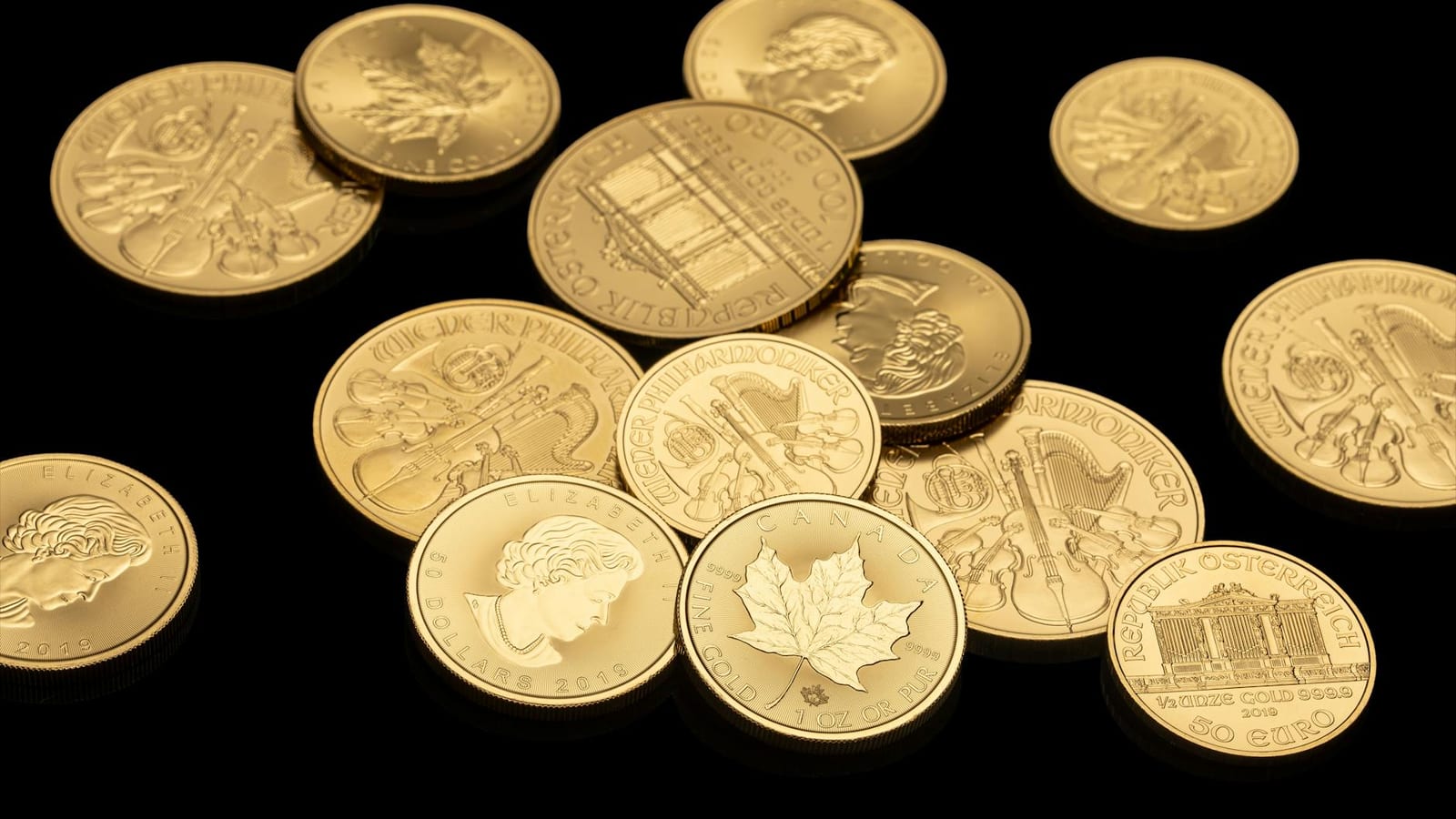
Gold is doing what nervous money often does. It is standing still, but watching everything.
Gold traded near $4,542 an ounce in early Asian trade, almost unchanged from a week ago. That sounds calm. It is not.
Behind that flat price sits a messy mix of war, oil, inflation, and interest rates. For Indian buyers, this matters beyond trading screens. It touches wedding budgets, jewellery purchases, gold loans, and the rupee cost of imports.
Gold waits on Iran signals
The immediate trigger is the uncertain state of talks between the United States and Iran. Tehran is reviewing a text sent by Washington, with some signals suggesting gaps have narrowed.
But other signs point the other way. A reported directive from Iran’s leadership on uranium stockpiles raised fresh concern. Oil prices first moved higher after that signal.
Then Donald Trump said he opposed efforts by Iran and Oman to create a permanent toll arrangement through Hormuz. That added another layer of confusion.
For markets, confusion itself has a price. Traders do not need a full war scare every morning. They only need enough uncertainty to keep energy prices jumpy.
That is why gold has not broken decisively in either direction. Investors see risk, but they also see the threat of higher interest rates.
Why oil changes the gold story
The missing link here is oil. If tensions around the Strait of Hormuz worsen, crude can rise quickly.
That narrow waterway carries a large share of global oil flows. When traders worry about disruption there, petrol, diesel, shipping, and factory costs enter the conversation.
For India, this is not an abstract chart. India imports most of its crude oil. Costlier oil usually means pressure on the rupee and government finances.
A weaker rupee makes imported gold more expensive for Indian buyers. So even if global gold prices stay flat, local prices can still pinch.
This is why a jeweller in Surat or Chennai watches both gold and the dollar. The international price tells only half the story.
The other half is the exchange rate. If the rupee slips, the landed cost rises. That cost eventually reaches the retail counter.
Rate fears keep bullion boxed in
Gold usually likes lower interest rates. The reason is simple. Gold does not pay interest.
When bank deposits, bonds, or dollar assets offer better returns, some investors move away from bullion. When rates fall, gold becomes more attractive.
Right now, traders worry the Federal Reserve and other central banks may keep rates higher for longer. Some even wonder if further hikes return to the table.
The fear comes from inflation. If oil rises, inflation can return through transport, food, and factory costs.
Central banks hate that pattern. They may then keep money tight, even if growth slows.
That creates a strange setup for gold. War risk supports prices. Rate risk caps them.
This explains the tight range. Spot gold was around $4,542.64 an ounce at 6:16 a.m. Singapore time. Silver moved 0.1 percent higher to $76.73.
The dollar index also stayed steady in the previous session. A firm dollar often makes gold costlier for buyers using other currencies.
Gold has already fallen nearly 14 percent since the conflict began in late February. That is a sharp fall for an asset many households think of as permanently safe.
For a retail investor, the lesson is plain. Gold can protect wealth over long periods. But it can also hurt in the short run.
A 14 percent fall means a ₹5 lakh gold-linked holding could show a paper loss of about ₹70,000. That is not small money for most families.
Indian households feel the squeeze
In India, gold is never just a commodity. It is savings, status, security, and sentiment rolled into one.
Families buy it for weddings. Small businesses pledge it for loans. Parents treat it as a backup plan when markets turn ugly.
So a flat global price does not mean calm at home. Local prices depend on import duties, the rupee, dealer margins, and domestic demand.
If geopolitical tension keeps oil elevated, India can face a double squeeze. Fuel imports cost more, and the rupee may weaken.
That can raise gold prices in rupee terms even when international bullion barely moves. Buyers then delay purchases or reduce quantity.
A family planning wedding jewellery may shift from heavier pieces to lighter designs. A borrower using gold loans may find loan-to-value calculations tighter if prices swing.
For investors, the temptation is always to guess the next move. But gold is now trapped between two strong forces.
One force is fear. If talks fail and energy markets panic, gold could attract safe-haven buying.
The other force is interest rates. If inflation rises and central banks stay tough, gold may struggle to rally.
That is why chasing every headline can be costly. Gold rewards patience more than panic.
What traders will watch now
The first thing markets will watch is whether Washington and Tehran move closer to a deal. Even small changes in language can shift oil and gold.
The second is crude oil. If oil rises sharply, inflation fears will return quickly.
The third is the Federal Reserve’s tone. Traders will study every speech and policy hint for signs of rate pressure.
For India, the rupee matters just as much. A weaker rupee can undo any comfort from stable global gold prices.
Investors should also watch domestic demand. Festival and wedding buying can support local prices, even when global markets look tired.
Gold has a habit of looking quiet just before the market changes its mind. This time, the quiet comes with real tension underneath.
For ordinary Indians, the sensible takeaway is not to treat gold as a quick trade. Treat it as insurance, bought in measured amounts, with eyes open to currency and rate risks. The next move may come from a negotiating room, an oil tanker route, or a central bank podium. But the bill, as usual, will reach households first.