E100 Fuel Network Set to Reach 5,000 Pumps in India
India plans 5,000 E100 ethanol fuel outlets over two years, starting with 150 in major cities as it tests demand for flex-fuel vehicles.
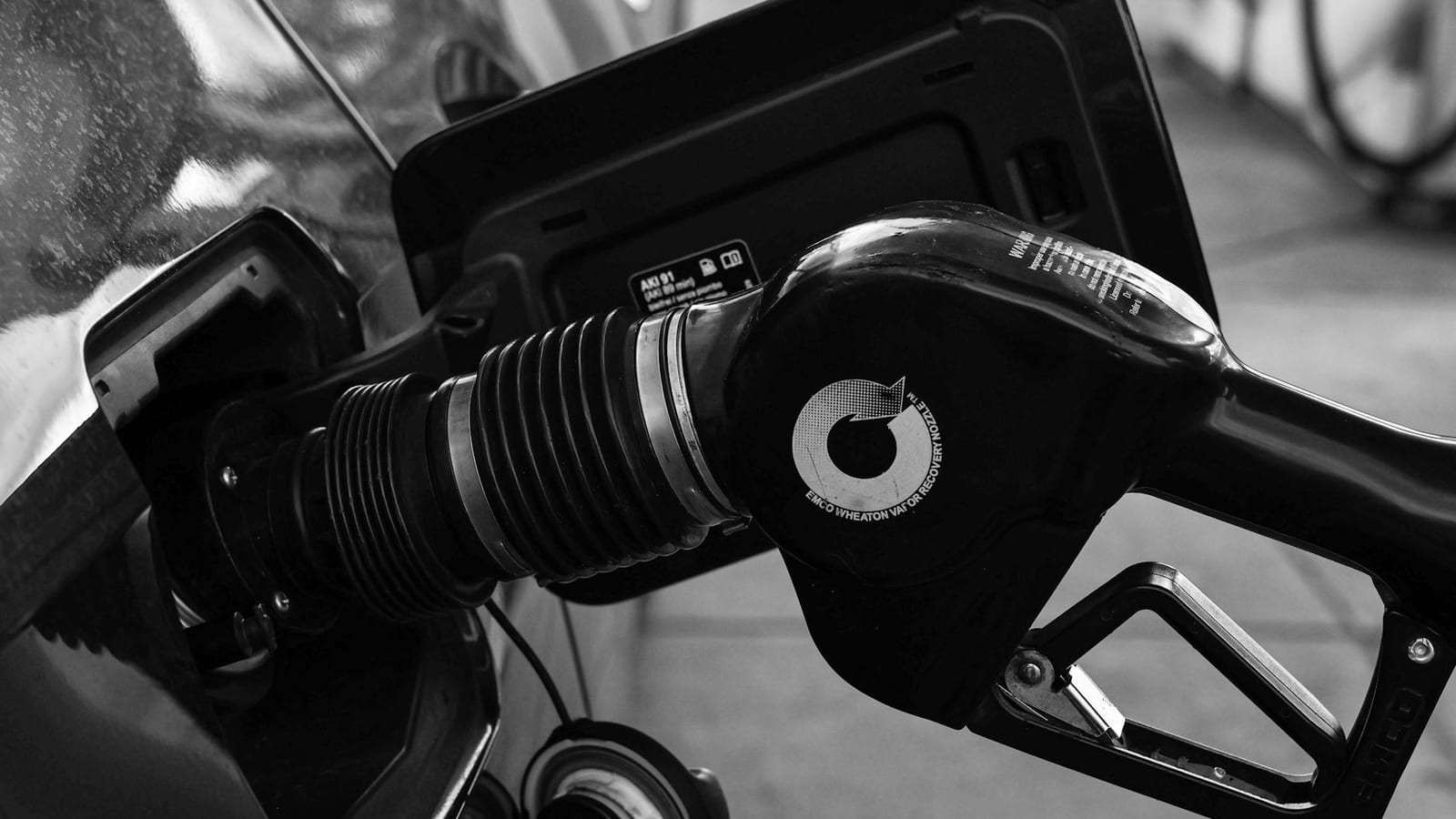
A petrol pump without the right fuel is just a promise with a signboard.
That is the simple problem India now wants to fix with E100, a fuel made entirely from ethanol. The government wants 5,000 E100 fuel stations across the country within two years. For drivers, that could mean a new choice at the pump. For farmers, it could mean a steadier buyer for crops that feed ethanol plants.
But the real test will not come in policy files. It will come when a buyer walks into a showroom and asks one basic question. Will this flex-fuel vehicle actually save me money?
India’s big E100 pump push
The Petroleum Ministry has laid out a three-step plan for E100 fuel stations. The first phase will start with 150 outlets in one month.
These will come up in Delhi, Mumbai, Pune and Nagpur. The next phase aims for 500 outlets over six to twelve months. That will cover Delhi-NCR, Maharashtra, Bengaluru, Chennai, Kolkata and Hyderabad.
The third phase is the big one. Over 24 months, the government wants the network to expand to 5,000 outlets across India.
This matters because fuel policy often fails at the last mile. India already blends 20 percent ethanol with petrol. That is E20, and most drivers do not think much about it.
E100 is a very different animal. It means the vehicle must be built to run on full ethanol. That needs new engines, wider pump access, clear pricing and consumer trust.
Why ethanol matters for India
India imports about 90 percent of its crude oil needs. That one number explains much of this policy push.
When crude prices rise, India’s import bill rises. When the rupee weakens, the bill grows again. That pressure eventually reaches ordinary people through petrol prices, transport costs and grocery bills.
The petroleum ministry’s figures put India’s crude oil import cost for 2025-26 at about ₹10.9 lakh crore. That is not just a government accounting number. It is money leaving the country to buy fuel.
Ethanol changes the direction of that money. India can produce it at home from sugarcane, grains and other farm-linked sources. The source report says nearly eight crore farmers could benefit from a larger ethanol market.
For a farmer, this is not about climate slogans. It is about demand. If ethanol plants buy more feedstock, farm income may get another support channel.
There is also a rural industry angle. More ethanol production means more distilleries, storage, transport and local jobs. That can matter in sugarcane belts and grain-producing regions.
Still, ethanol is not free money. It needs water, feedstock, processing and careful planning. If India pushes too hard without balancing food, sugar and fuel needs, another problem may appear.
Automakers are ready, almost
The auto industry has not been sitting idle. Maruti Suzuki, Hyundai, Tata Motors, Toyota Kirloskar Motor and Mahindra and Mahindra have already prepared flex-fuel vehicle prototypes.
Two-wheeler makers are also in the picture. Hero MotoCorp and TVS Motor Company have worked on such models.
A flex-fuel vehicle can run on different blends of petrol and ethanol. That sounds perfect for a country where fuel availability changes by city and highway.
But companies have held back from large launches. Their worry is simple. Why sell a vehicle if the buyer cannot easily find the fuel?
This is where the 5,000 pump plan becomes central. Automakers need visible infrastructure before they push flex-fuel models. Consumers need confidence before they pay for a new technology.
The Indian car buyer is practical. A lower-emission fuel sounds good. A farmer-friendly fuel sounds better. But monthly running cost decides the purchase.
That is especially true for taxi operators, delivery riders and small business owners. For them, fuel is not a lifestyle expense. It is a daily business input.
The price problem is real
E100 has one uncomfortable drawback. It gives lower mileage than regular petrol.
That means a driver may need more fuel to travel the same distance. If the pump price does not reflect this, E100 will struggle.
The Society of Indian Automobile Manufacturers has suggested that E100 should be priced about 30 percent below petrol. That is the plainest way to make the maths work for buyers.
Think of a commuter who spends ₹10,000 a month on fuel. If E100 gives lower mileage but costs almost the same, there is no real saving. The driver may feel virtuous once, then return to petrol.
Tax policy will also matter. The Indian Sugar and Bio-energy Manufacturers Association has argued for support such as lower GST on flex-fuel vehicles.
That is not a small demand. Lower tax can reduce showroom prices. It can also signal that the government wants buyers to move, not just manufacturers.
But the finance ministry will ask its own question. If tax is reduced, what does the government get in return? Lower imports, cleaner fuel and farmer income must show up clearly.
Lessons from the first trial
India has already tried E100 through Indian Oil Corporation. The company had earlier set up about 400 outlets under a pilot project.
Many of those outlets later shut because consumer response stayed weak. That is the warning sign in this story.
Policy makers often assume supply creates demand. Fuel markets do not work that neatly. Buyers change habits only when price, convenience and vehicle choice line up.
Today, E100’s share in the fuel market remains below 0.5 percent. That is tiny. It shows how far India must travel before ethanol becomes a mainstream pump option.
The new plan tries to fix the chicken-and-egg problem. More pumps should encourage more vehicles. More vehicles should support more fuel sales.
But this loop needs a strong starting push. Without lower prices and better tax treatment, the network may look impressive on paper and quiet at the pump.
There is also a communication gap. Many consumers still do not understand ethanol blends. They worry about engine life, mileage and resale value.
Automakers and oil companies will have to answer these doubts directly. A brochure will not be enough. Buyers will want warranties, service support and clear fuel guidance.
India’s E100 plan is not just about replacing one fuel with another. It is about shifting part of the country’s energy bill from overseas crude to domestic farms and factories. That is a serious economic bet. If the government gets pricing right, and automakers bring affordable vehicles, E100 could become a useful option. If not, it may remain a smart idea that ordinary drivers admire from a distance.