Dollar Slips As Iran Talks Ease Pressure On Rupee
A softer dollar after Trump's Iran comments eased global risk signals, offering India temporary relief on oil costs, rupee pressure and fund flows.
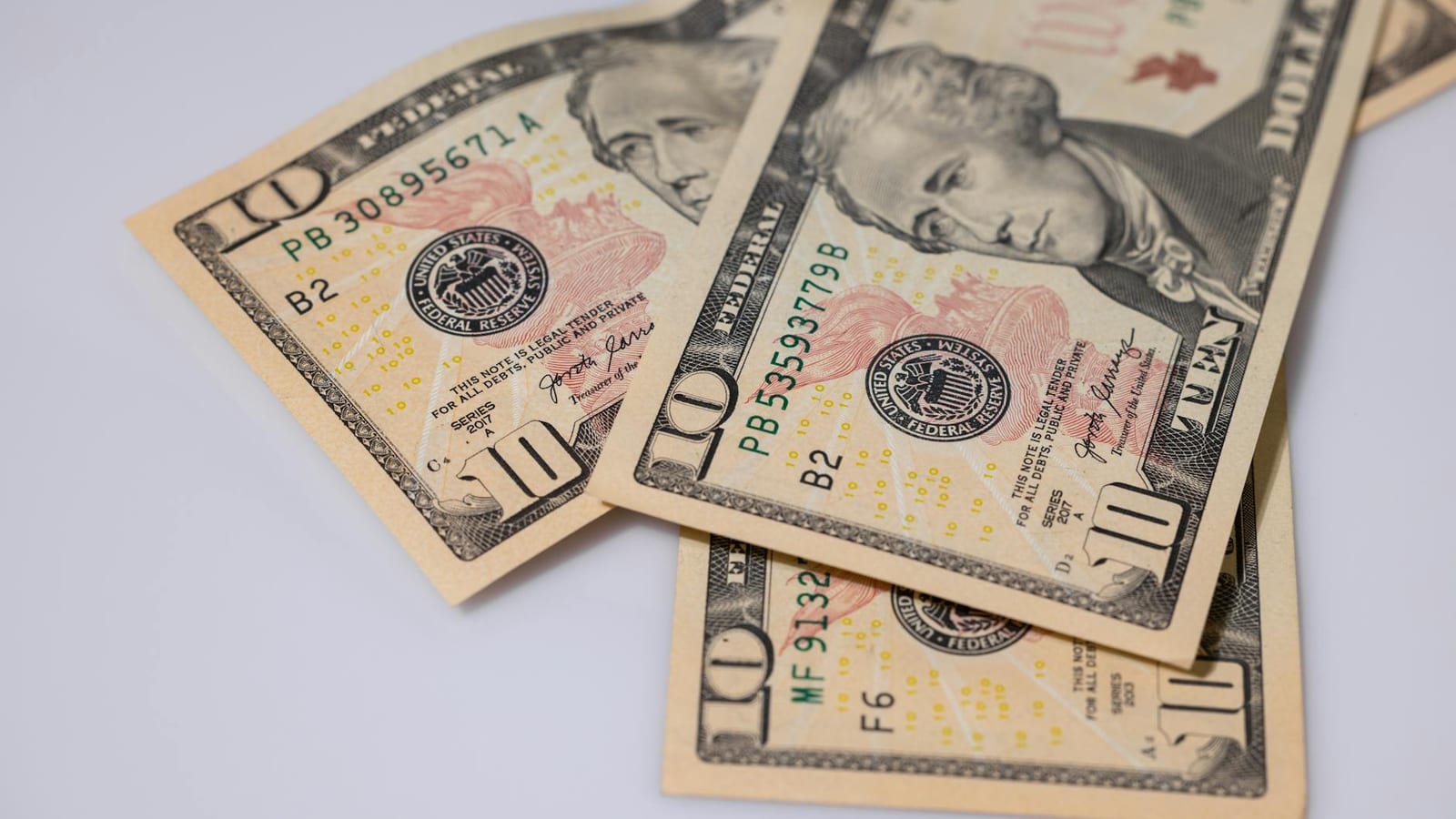
A small dip in the dollar can look boring on a trading screen. But for India, it touches oil bills, rupee pressure, foreign fund flows, and even holiday budgets.
The U.S. dollar slipped from a six-week high on Wednesday after President Donald Trump said talks with Iran had reached their final stages. Markets read that as a chance, not a guarantee, that the Middle East conflict may cool.
That was enough to pull down U.S. bond yields and take some shine off the dollar. In plain English, investors felt a little less need to hide in the safest asset.
Dollar eases as war premium cools
The dollar index, which tracks the greenback against major currencies, fell 0.21 percent to 99.10. The euro rose 0.21 percent to $1.1628. The pound gained 0.37 percent to $1.3442.
The Australian dollar, often treated as a quick signal for risk mood, rose 0.63 percent. That matters because traders buy it when they feel less scared about global growth.
For Indian readers, the key link is simple. A stronger dollar usually pressures the rupee. A weaker dollar gives some breathing room, though not always for long.
If the rupee weakens, imported crude oil costs more. That can slowly feed into petrol, diesel, airfares, and transport costs. A calmer dollar helps, but only if oil prices also behave.
Trump said the talks were moving towards an end stage, while warning that attacks could continue if Iran refused a deal. Markets grabbed the hopeful part first. They may return to the warning later.
Fed rate fears return
The bigger story still sits inside the Federal Reserve. Minutes from its April meeting showed more officials wanted to prepare the ground for a possible rate hike.
That is quite a shift. Before the Iran war began in late February, traders expected two rate cuts this year. Now they see roughly a 50 percent chance of a hike by January.
This is not academic market gossip. Higher U.S. rates make dollar assets more attractive. Money can then move away from emerging markets, including India.
For a retail investor in Mumbai or Jaipur, that can show up in foreign investors selling Indian stocks. If the Bombay Stock Exchange’s Sensex falls 1 percent, a ₹5 lakh equity portfolio can lose about ₹5,000 on paper in a day.
The U.S. economy has also stayed stronger than many expected. Jobs have held up. Growth has not cracked. That gives the Fed less reason to cut rates quickly.
Trump himself has admitted that rate cuts may have to wait until the Iran conflict ends. That tells you how closely war, inflation, and central bank decisions now sit together.
Yen nears Japan’s pain point
The Japanese yen has become the market’s warning light. The dollar recently pushed towards 160 yen, a level that made Tokyo step into the currency market last month.
The yen has fallen for seven straight sessions against the dollar. That is its longest losing run since October. On Wednesday, it recovered slightly to 158.82 per dollar.
Japan dislikes a very weak yen because imports become costlier. Energy and food prices pinch households. Companies that depend on imported raw material also feel the squeeze.
But intervention has limits. Japanese authorities can sell dollars and buy yen to slow the fall. Yet if U.S. yields stay high, traders often return to buying dollars again.
U.S. Treasury Secretary Scott Bessent said he trusted Bank of Japan Governor Kazuo Ueda to act if Japan’s government gave him enough independence. Markets took that as a nudge towards tighter policy in Japan.
That is a sensitive message. Japan has spent years living with ultra-low rates. Raising them too fast can hurt borrowers and unsettle markets. Moving too slowly can punish the yen again.
Why India should watch this
India does not trade in a vacuum. The rupee, bond yields, stock markets, and oil bill all react when the dollar moves sharply.
A softer dollar can support the rupee for a while. It can also help foreign investors return to Indian equities, especially if global risk mood improves.
But the relief has a condition attached. If the Iran conflict keeps oil prices high, India still pays more for energy. The country imports most of its crude. That makes every flare-up in West Asia a household issue, not just a diplomatic one.
A kirana store owner may not track Treasury yields. But freight costs, packaging costs, and edible oil prices reach the shop counter. The route is indirect, yet very real.
Young professionals with home loans should also watch global rates. The Reserve Bank of India sets policy for India, but it cannot ignore the dollar. If global money becomes expensive, domestic rate cuts become harder.
Exporters see a mixed picture. A weaker rupee helps software, textiles, and some manufacturing exporters earn more in rupee terms. But imported inputs can erase part of that gain.
Import-heavy businesses face the opposite problem. Electronics, machinery, and fuel-linked sectors feel pain when the rupee slips. They either absorb costs or pass them to customers.
Markets still want proof
For now, traders have reacted to hope. They want proof next. A real Iran deal could reduce the war premium in oil and currencies.
If talks fail, the dollar could regain strength quickly. Safe-haven buying often returns faster than it leaves. That is the nature of nervous markets.
The Fed is the second watchpoint. If U.S. inflation stays sticky, officials may sound tougher. A rate hike would challenge the easy story that global borrowing costs are finally heading lower.
The yen is the third signal. If it crosses 160 again, Japan may respond. That could jolt currency markets across Asia, including the rupee.
For Indian investors, the lesson is not to panic over one day’s dollar move. It is to see the chain clearly. War affects oil. Oil affects inflation. Inflation affects rates. Rates affect the dollar. The dollar affects Indian portfolios and monthly budgets.
That chain now moves faster than before. A sentence from Washington can shift bond yields. A number from Tokyo can move Asian currencies. A rumour around Iran can change crude prices before breakfast.
The dollar’s dip gives markets a little room to breathe. But ordinary Indians should treat it as a pause, not a promise. The next few weeks will show whether this is real cooling, or just another brief calm in a market still ruled by war, rates, and inflation.