Dollar Rally Deepens as US Bond Yields Revive Rate Fears
The dollar rose for a fifth day as 10-year US Treasury yields hit a one-year high, pressuring the euro, pound and emerging-market sentiment.
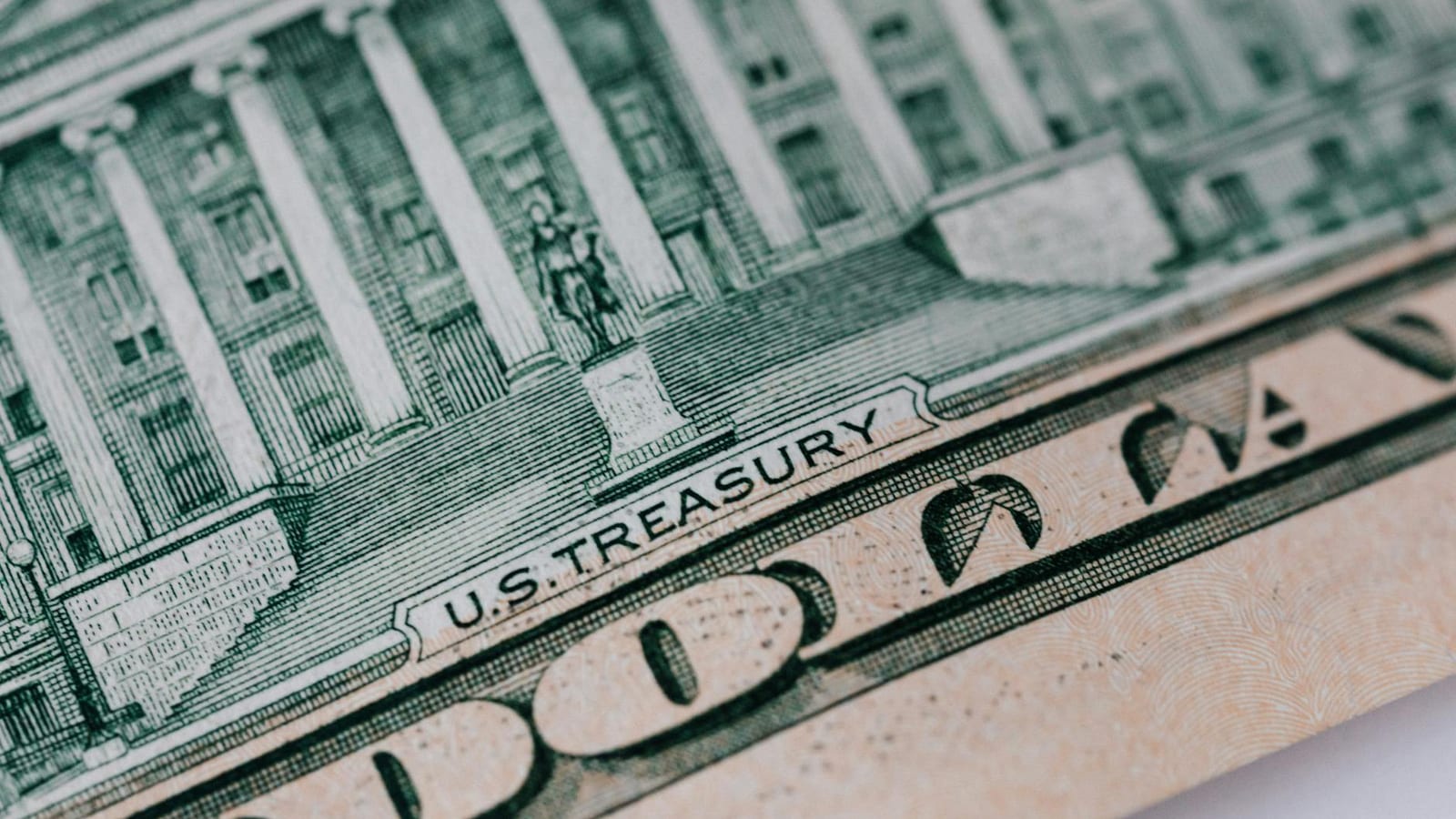
A stronger dollar rarely stays in New York. It travels quickly into oil bills, import costs, gold prices, and the mood on Dalal Street.
The US dollar rose for a fifth straight day on Friday, as traders began asking a familiar question again. What if American interest rates do not fall soon? Worse, what if they rise?
That fear pushed the dollar index up 0.32 percent to 99.27. For the week, it gained about 1.5 percent, its sharpest weekly climb in roughly two months.
Bond yields are driving the dollar
The real action came from the bond market.
The yield on the 10-year US Treasury note touched 4.599 percent, its highest level in a year. Think of this as the return investors demand to lend money to the US government for ten years.
When that return rises, global money often moves toward the dollar. Investors can earn more in American bonds, while taking less risk than in stocks or emerging-market assets.
That is why the dollar strengthened against major currencies. The euro fell to a five-week low near $1.1617. The British pound also slipped to a five-week low.
For Indian investors, this matters even if they never trade currencies. A stronger dollar can pressure the rupee. That can make imported crude oil, electronics, fertilisers, and overseas education more expensive.
A family paying college fees abroad feels this directly. So does a small importer who buys parts in dollars but sells finished goods in rupees.
Oil shock revives inflation fear
The dollar move did not happen in isolation.
Oil prices jumped after fresh worries around the Strait of Hormuz, the narrow sea route that carries a large share of global oil shipments. West Texas Intermediate crude rose 4.16 percent to $105.38 a barrel. Brent crude climbed 3.42 percent to $109.34.
For India, this is not a distant market story. India imports most of its crude oil. When oil rises, the pressure eventually reaches fuel companies, airline costs, transport bills, and government finances.
Sometimes the impact reaches the consumer quickly. Sometimes the government or oil marketing companies absorb part of the pain. But the cost does not vanish. Someone in the chain pays.
That is why traders now worry about inflation again. Higher oil feeds into freight. Freight feeds into food and manufactured goods. A kirana store owner may not track Brent crude daily, but transport costs enter the shop shelf quietly.
Joseph Trevisani of FXStreet said the bond market appeared to be reacting to renewed inflation anxiety. His point was simple. If oil resets higher, inflation expectations also need a reset.
Fed rate bets shift sharply
The Federal Reserve sits at the centre of this story.
Several Fed officials signalled this week that inflation still deserves close attention. Some did not rule out rate hikes if price pressure keeps building.
Markets heard that message. Traders now see a 49.5 percent chance that the Fed raises rates by at least 25 basis points in December, based on CME FedWatch data. A week earlier, that chance was just 14.3 percent.
A basis point is one-hundredth of a percentage point. So 25 basis points means a quarter percentage point.
That jump in expectations is large. It tells us traders have moved from hoping for easier money to preparing for tighter money.
New York Fed President John Williams sounded more cautious. He said monetary policy was in a good place and saw no immediate need to change rates, given the uncertainty from the Middle East conflict.
That is the tension markets are trying to price. Officials may not want to hike. But if oil keeps rising and inflation sticks, markets may force the conversation back onto the table.
For India, higher US rates can pull foreign money away from emerging markets. Foreign portfolio investors often cut risk when US yields rise. That can hurt equities and add pressure on the rupee.
Currencies feel the heat
The yen also came under pressure.
The dollar rose 0.25 percent against the Japanese yen to 158.74. The yen has lost more than 1 percent this week, moving closer to the 160 level that recently drew intervention from Japanese authorities.
Japan has its own problem. Wholesale inflation accelerated in April at the fastest pace in three years, helped by higher oil and chemical goods prices. That gives the Bank of Japan more reason to consider raising rates.
Sterling had a rougher week. The pound fell 0.57 percent to $1.3323 on Friday, after touching a five-week low. It was down more than 2 percent for the week, its worst weekly slide since November 2024.
These moves show a wider shift. The market is not just buying dollars against one weak currency. It is buying dollars because US yields look attractive, and global risks look messy.
That combination often hurts risk assets. It can also make gold volatile. Gold usually benefits from fear, but a stronger dollar and higher yields can reduce its appeal.
Indian households know this through prices, not charts. Gold jewellery becomes costlier when global prices rise or the rupee weakens. Fuel costs become more sensitive. Imported gadgets can get pricier.
What Indian investors should watch
The first number to watch is oil.
If Brent stays near $109 or moves higher, India’s inflation math becomes harder. The Reserve Bank of India then gets less room to cut rates, especially if food prices also stay firm.
The second number is the US 10-year Treasury yield. If it keeps climbing, foreign investors may stay cautious on Indian equities. That does not mean a market crash is certain. It means valuations will face tougher questions.
The third number is the dollar index. A stronger dollar often tightens financial conditions across the world. In plain English, money becomes more expensive and less forgiving.
Retail investors should not react to every currency tick. But they should understand the chain.
Higher oil can push inflation up. Higher inflation can delay rate cuts. Delayed rate cuts can keep loan EMIs high. A stronger dollar can weaken the rupee. A weaker rupee can raise import costs.
That is how a bond yield in America can reach an Indian household budget.
This market turn is a reminder that inflation was never fully gone. It was resting, waiting for the next shock. If oil supply fears ease, the dollar rally may cool. If they do not, Indian consumers and investors will again discover that global finance eventually lands at the petrol pump, the grocery bill, and the monthly EMI.