Dollar Extends Rally As Strong US Data Clouds Fed Rate Cut Hopes
The dollar rose for a fourth day as firm US retail sales and jobless claims data weakened expectations of near-term Federal Reserve rate cuts.
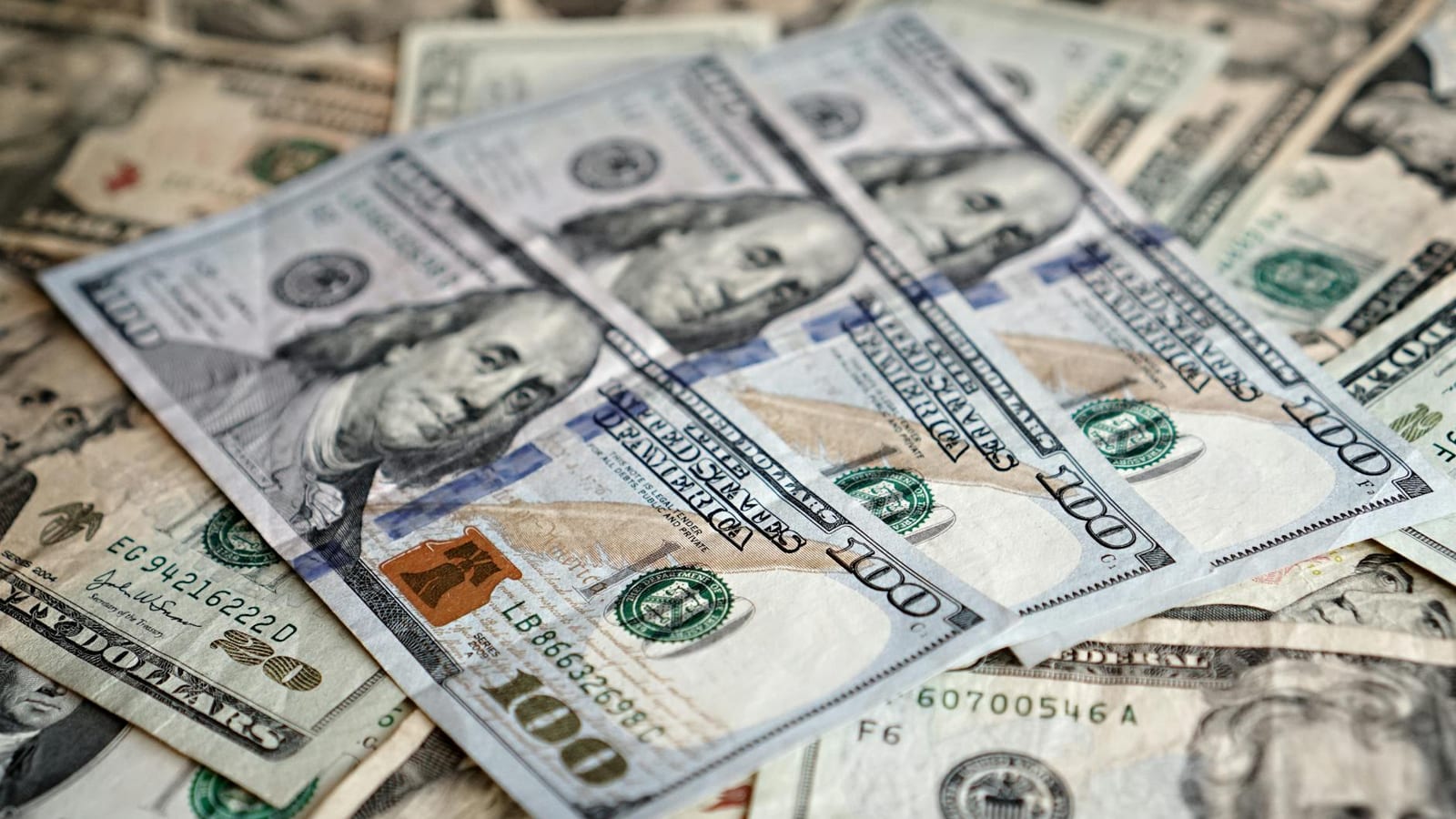
The dollar did not roar on Thursday. It did something more telling. It climbed quietly for a fourth straight day, because traders saw the same message everywhere.
American shoppers are still spending. Fewer workers are losing jobs. Import costs are rising. Put together, that tells markets one thing, Federal Reserve rate cuts look harder to justify.
For Indian readers, this is not some Wall Street side story. A stronger dollar can hit the rupee, foreign flows, fuel costs, gold prices, and even the mood on Dalal Street.
Dollar gains as cuts fade
The dollar index, which tracks the US currency against major peers, rose 0.37 percent to 98.83. That marked its fourth straight day of gains, the longest winning run since late March.
The reason was simple. US economic data looked too firm for comfort.
The US Commerce Department said retail sales rose 0.5 percent last month. That matched market expectations, after March saw a revised 1.6 percent increase.
In plain English, American consumers are still opening their wallets. They may sound cautious in surveys, but the cash register tells another story.
Weekly jobless claims also rose only modestly, up 12,000 to 211,000. That was a little above forecasts, but still showed a steady labour market.
Then came the sharper number. US import prices jumped 1.9 percent, almost double the expected 1 percent rise. Fuel costs led that increase.
That matters because import prices feed into inflation. If America pays more for imported fuel and goods, those costs can reach households and businesses.
For the Fed, this creates a familiar headache. Cut rates too early, and inflation may flare again. Hold rates high, and borrowers keep paying more.
Why Indians should watch this
A stronger US dollar usually puts pressure on emerging market currencies, including the rupee. It also makes dollar-priced imports more expensive.
India imports most of its crude oil. So when oil stays costly and the dollar strengthens, India feels a double squeeze.
A refinery pays for crude in dollars. An airline pays for jet fuel linked to global prices. A family eventually sees the effect in transport, tickets, and some goods.
This is why currency moves matter beyond trading screens. They can quietly enter household budgets through fuel, freight, and imported components.
For investors, the link is also direct. If the dollar stays firm, foreign investors often grow more cautious about emerging markets.
That can affect the Bombay Stock Exchange’s Sensex and the National Stock Exchange’s Nifty 50. A falling rupee can also dent companies with heavy dollar debt.
There is another side. Exporters in software, pharmaceuticals, textiles, and some manufacturing segments can benefit from a weaker rupee.
But markets rarely move in one neat line. If the dollar rises because global risk is high, investors may still cut exposure to emerging markets.
That is the part retail investors often miss. Currency strength is not just about exchange rates. It also tells you where global money feels safe.
Oil keeps the pressure alive
Crude stayed firm as tensions around Iran continued to shape trading. US crude rose 0.45 percent to $101.47 a barrel. Brent crude gained 0.3 percent to $105.95.
Those are uncomfortable levels for an oil-importing country like India. Every sustained rise in crude makes the macro picture harder.
The Strait of Hormuz remains central to this worry. A large share of global oil shipments passes through that narrow route.
Reports of vessels crossing the waterway helped calm traders somewhat. Talk of a possible non-aggression arrangement between Saudi Arabia and Iran also cooled prices briefly.
Still, the market is not relaxed. When oil hovers above $100, governments, airlines, paint makers, tyre companies, and transport operators all start doing the math.
For Indian households, the effect may not arrive overnight. Pump prices can stay managed for political and policy reasons.
But someone absorbs the cost. It may be oil marketing companies, the government, businesses, or consumers later.
That is why crude above $100 is never just a commodity headline for India. It is a fiscal question, an inflation question, and a market question.
Trump-Xi talks add another risk
Currency traders also watched the meeting between Donald Trump and Xi Jinping. The talks centred on trade, but Taiwan again entered the frame.
Xi warned Trump that mishandling disagreements over Taiwan could push ties into dangerous territory. That message matters because markets dislike unclear geopolitical risk.
The dollar was flat against the offshore Chinese yuan at 6.786. That calm number should not fool anyone.
US-China relations shape supply chains, tariffs, technology access, and capital flows. When those ties worsen, global companies delay decisions.
Indian businesses watch this closely. Some may benefit if firms shift production away from China. But global stress can also slow demand and raise costs.
For India, the sweet spot is limited tension without a global shock. Too much conflict can hurt everyone, including countries hoping to gain manufacturing share.
This is where markets can be brutally practical. They do not trade speeches alone. They trade oil routes, tariff risk, inflation, and central bank choices.
Gold slips as dollar firms
The stronger dollar also weighed on precious metals. Gold erased early gains, while silver fell sharply.
That pattern is common. Gold is priced in dollars. When the dollar rises, gold becomes costlier for buyers using other currencies.
Indian households know this better than most. Gold is not only an investment here. It is savings, wedding planning, family security, and sentiment.
A firm dollar can push local gold prices higher in rupee terms, even when global gold softens. That makes jewellery buyers uneasy.
For portfolio investors, the message is more mixed. Gold still plays a defensive role when uncertainty rises. But short-term prices can wobble when the dollar climbs.
This is why investors should avoid reading one asset in isolation. Dollar, oil, bond yields, gold, and equities are all talking to each other.
Right now, they are saying the same thing. Inflation risk has not left the room.
The bigger point is this. Markets have stopped waiting eagerly for easy money from the Fed. They now see a US economy that refuses to slow cleanly.
That may sound like good news, but it complicates life for everyone else. A strong America can mean a strong dollar. A strong dollar can mean pressure for India.
For ordinary readers, the next signals are clear. Watch oil, the rupee, foreign investor flows, and what Fed officials say about inflation. Those four will decide whether this dollar rally stays a market story, or walks into monthly budgets.