Dhoot Transmission Updates IPO Papers For Sebi Review
Dhoot Transmission plans a Rs 1,400 crore fresh issue, while Bain Capital and Mangalam Capital will sell shares in the proposed IPO offer.
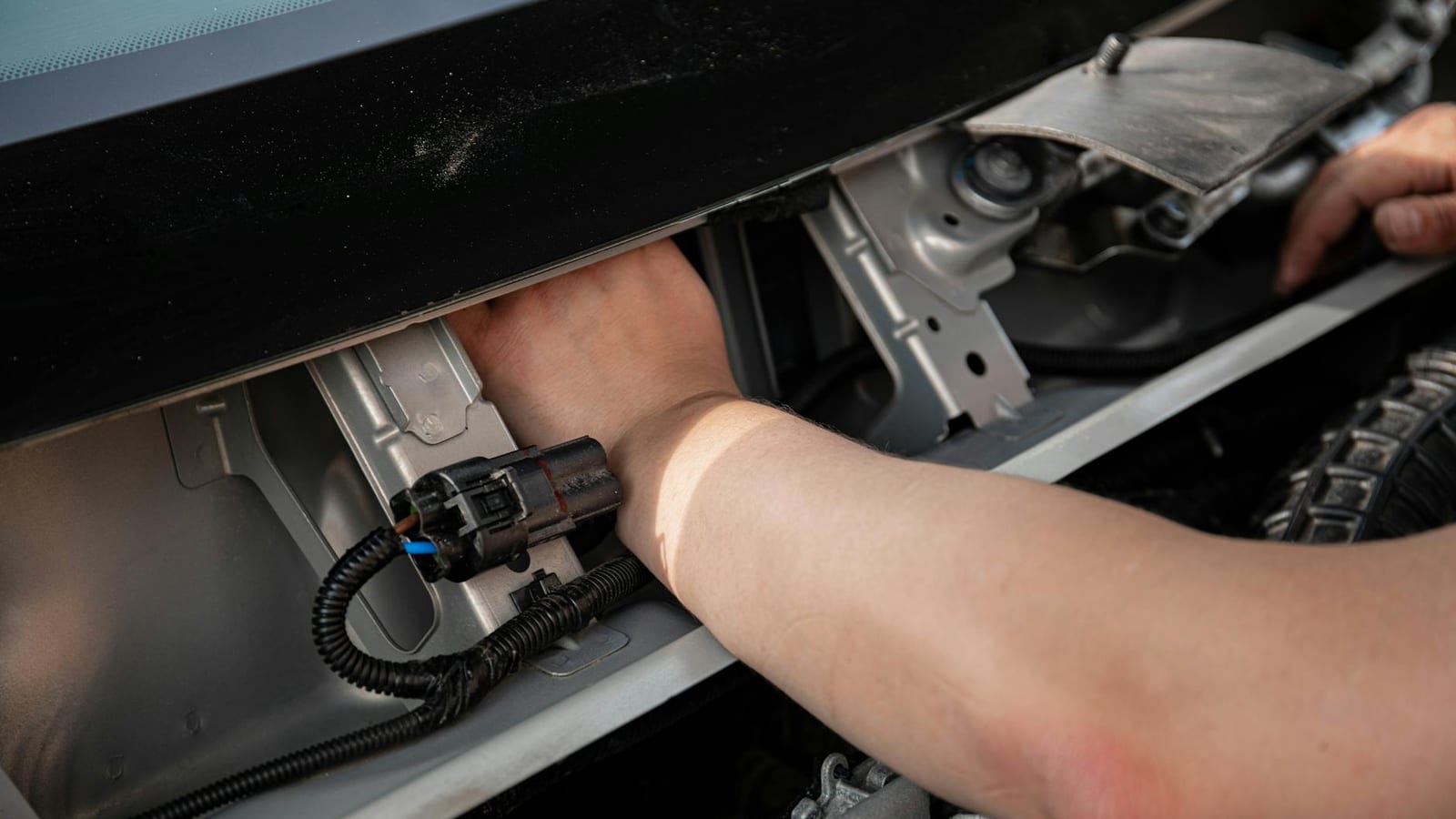
Inside many Indian two-wheelers, a quiet business keeps the machine talking to itself.
That business is wiring. Not glamorous, not showroom shiny, but essential. Without it, sensors, switches, batteries, controllers, and lights cannot work together.
Now Dhoot Transmission, one of India’s key wiring harness makers, wants public market money. The Bain Capital-backed company has filed updated IPO papers with Sebi for a fresh issue worth ₹1,400 crore.
Dhoot Transmission files updated papers
The proposed IPO has two parts. The company plans to raise ₹1,400 crore through fresh shares. That money will go into the business.
There is also an offer for sale of up to 1.63 crore shares. In plain English, existing shareholders will sell part of their stake to new investors.
Bain Capital, through BC Asia Investments XV, will sell up to 1.32 crore shares. Mangalam Capital will sell about 31.18 lakh shares.
This matters because an IPO is not just about a company raising money. It also gives early investors a route to take some money off the table.
Dhoot had first filed its papers through Sebi’s confidential route on February 6. Sebi issued its observation letter on May 10, 2026, as per the filing status.
That letter works like a green signal for the company to move ahead. The final timing will still depend on market mood and investor appetite.
The company wants to list on BSE and NSE. Axis Capital, Jefferies India, Kotak Mahindra Capital, Nomura India, SBI Capital Markets, and 360 ONE WAM are managing the issue.
Where the IPO money goes
The biggest chunk of the fresh issue will go toward debt repayment. Dhoot plans to use ₹493.9 crore to repay its own borrowings.
Another ₹272.58 crore will go into subsidiaries for their debt repayment. These include Dhoot Autocomponents, Dhoot Electricals Systems, Dhoot Automotive Systems, and Dhoot Transmission UK.
For investors, this is a practical detail. A company that cuts debt can save interest costs. That can improve profits, if sales hold up.
Dhoot also plans to spend ₹150 crore on new wiring harness factories. These will come up in Jhajjar in Haryana and Shoolagiri, Hosur in Tamil Nadu.
Those locations are not random. Haryana sits close to north India’s auto belt. Hosur has become a strong manufacturing cluster near Bengaluru and Chennai.
The company also wants money for acquisitions and general business needs. That gives management room to buy smaller firms or add capabilities.
But investors should read this carefully. Debt repayment is cleaner than vague expansion talk. Acquisitions, however, need sharper execution and discipline.
Why wiring harnesses matter
A wiring harness is like the nervous system of a vehicle. It carries signals and power across the machine.
In older vehicles, wiring was simpler. Today, even a scooter has sensors, digital displays, safety features, and more electronics.
Electric vehicles make this business even more important. They need high-voltage systems, battery connections, data cables, and stronger safety design.
Dhoot says it designs and supplies wiring harnesses, sensors, switches, connectors, junction boxes, and high-voltage systems. These parts help different vehicle systems communicate.
The company was founded in 1999. It now claims to be among the top two players in India’s two-wheeler and three-wheeler wiring harness market.
Its draft papers place its market share at 44.64 percent by value in FY25. That is a large share in a segment tied closely to mass mobility.
Its customer list also tells the story. Dhoot supplies to Bajaj Auto, TVS Motor Company, Honda Motorcycle and Scooter India, and Royal Enfield.
That customer base gives comfort, but it also brings concentration risk. If big automakers slow production, suppliers feel the pain quickly.
For a kirana store owner buying a delivery scooter, this may sound distant. It is not. Better wiring affects reliability, service costs, and vehicle safety.
For young workers buying their first bike, electronics now decide many everyday features. From fuel display to lighting, wiring sits behind the experience.
The numbers tell a bigger story
Dhoot’s revenue from operations rose to ₹3,444.86 crore in FY25. It stood at ₹2,125.86 crore in FY23.
That is a 62 percent rise over two years. For a manufacturing company, that pace will catch investor attention.
Profit after tax also more than doubled. It moved from ₹163.91 crore in FY23 to ₹353.89 crore in FY25.
Those numbers show strong growth. They also raise the next question, can this pace continue after listing?
Auto component companies often look attractive during strong vehicle cycles. They gain when manufacturers sell more bikes, scooters, cars, and commercial vehicles.
But margins can move sharply. Raw material costs, foreign exchange swings, and customer pricing pressure can all bite.
Dhoot’s IPO also comes at a time when India’s manufacturing story has market support. Investors like companies linked to electric vehicles, exports, and supply-chain shifts.
Still, not every auto supplier becomes a wealth creator. The best ones keep technology moving and protect margins without losing large customers.
That is where Dhoot’s positioning becomes interesting. Wiring harnesses are no longer low-value bundled cables. They are moving closer to electronics and vehicle intelligence.
The private equity angle also deserves attention. Bain bought a 49 percent stake in April 2025, according to the draft papers.
When a global investor backs a company before listing, markets usually read it as a quality signal. But IPO buyers must still judge valuation on their own.
A good company can still be an expensive stock. Retail investors learned that lesson in several IPO waves.
This IPO will test three things. First, whether investors trust Dhoot’s growth story. Second, whether they like its debt-reduction plan. Third, whether pricing leaves room for future gains.
For ordinary investors, the smartest approach is simple. Do not buy only because the company serves famous two-wheeler brands.
Read the final prospectus. Watch the valuation. Compare Dhoot with listed auto component peers. Look at customer concentration, debt, cash flow, and margin trends.
India’s vehicle market is changing fast. Two-wheelers are becoming more electronic, and electric models need deeper engineering. That gives companies like Dhoot a real opportunity.
But public markets are less forgiving than private boardrooms. Once listed, Dhoot will have to prove every quarter that its wires connect to profits, not just promises.