Crude spike hits Wall Street as Iran talks wobble
US stocks slipped after Brent crude jumped above $108 on Iran talks worries, raising inflation and cost concerns for global and Indian investors.
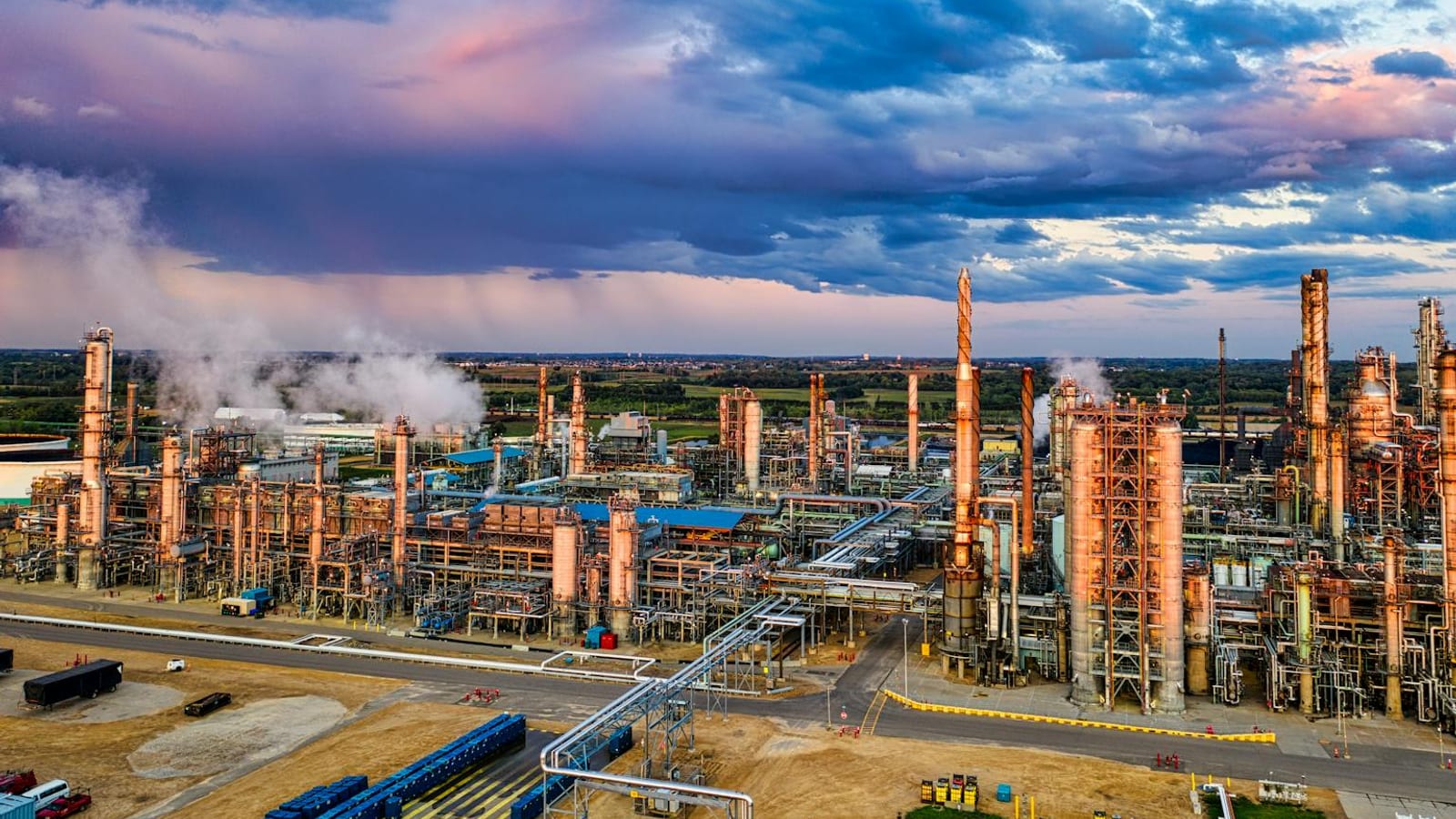
Oil crossed $108 a barrel, and markets immediately lost their calm.
For Indian investors, this is not some distant Wall Street wobble. Costlier crude can travel quickly into petrol prices, airline fares, company margins, and eventually household budgets.
Wall Street slipped on Thursday, May 21, after traders grew nervous about the Iran-US talks. The worry was simple. If diplomacy stalls, oil supply stays tight. If oil stays high, inflation becomes harder to tame.
Crude shock rattles equities
The S&P 500 fell 0.4 percent by mid-morning New York time. The Dow Jones Industrial Average was almost flat, down less than 0.1 percent. The Nasdaq Composite, which carries more technology stocks, dropped 0.5 percent.
For someone in India with ₹5 lakh invested in a US-focused fund, a 0.5 percent fall means about ₹2,500 in paper losses. That is not panic territory. But it shows how quickly global news can hit portfolios.
The immediate trigger came from Iran. Reports suggested Tehran may keep enriched uranium inside the country, which traders read as a hurdle in talks with Washington.
Oil markets reacted first. Brent crude jumped 3.4 percent to $108.54 a barrel, wiping out much of its weekly fall. That is the number Indian policymakers watch closely, because India buys most of its oil from abroad.
Why India should watch Hormuz
The Strait of Hormuz sits between the Persian Gulf and the wider world. A large part of global crude passes through this narrow route. When tankers face disruption there, oil buyers everywhere get nervous.
For India, this matters more than it does for many countries. Higher oil prices can widen the import bill. That puts pressure on the rupee, raises transport costs, and makes inflation harder to control.
A kirana store owner may not track Hormuz. But higher diesel costs can still reach his shelves. Vegetables, packaged goods, and delivery charges all carry fuel somewhere in their price.
This is why global oil shocks often show up late but sharply in Indian households. First, traders react. Then companies adjust costs. Finally, consumers notice the difference in monthly spending.
Bond yields add pressure
The US 10-year Treasury yield rose to 4.61 percent from 4.57 percent. That may look like a tiny move, but bond markets speak in small numbers with large consequences.
When US yields rise, global money often becomes more cautious. Foreign investors may pull cash from riskier markets, including emerging markets like India.
If that happens, the Bombay Stock Exchange’s Sensex and the National Stock Exchange’s Nifty 50 can come under pressure. Banks, autos, airlines, paints, and logistics firms usually remain sensitive to crude prices.
The larger worry is inflation. Costlier oil can make central banks think twice before cutting interest rates. For Indian borrowers, that means home loan EMIs may not ease as quickly as hoped.
Stock movers tell a mixed story
The selloff was not uniform. Some companies fell because their own numbers disappointed investors. Others rose because they caught a policy tailwind.
Walmart shares dropped 5.9 percent after the retailer gave weaker profit guidance. That matters because Walmart is a useful signal for American shoppers. If the company sounds cautious, investors ask whether consumers are feeling stretched.
Nvidia slipped 0.6 percent even after reporting record quarterly revenue of $81.6 billion. That tells us the market had already priced in plenty of good news from the chip giant.
IBM rose 5.6 percent after the Trump administration moved to fund some quantum-computing firms in exchange for stakes. GlobalFoundries surged 13 percent. D-Wave Quantum jumped 24.8 percent, Rigetti Computing gained 24.4 percent, and Infleqtion shot up 39.8 percent.
Intuit had a rougher day. Its shares sank 20.5 percent after the software maker cut its annual revenue forecast for tax-filing products. Ralph Lauren moved the other way, gaining 10.5 percent after stronger profit and sales.
Gold loses its safe-haven shine
Gold usually benefits when investors feel uneasy. This time, it slipped. Spot gold fell 1 percent to $4,500.07 an ounce, while US gold futures for June delivery lost 0.7 percent.
That may sound odd. But when oil rises, inflation fears rise too. Then bond yields can climb, and higher yields make gold less attractive because gold pays no interest.
UBS analyst Giovanni Staunovo said the market still revolves around Iran-US negotiations. In simple terms, oil is now pushing gold around, not just fear.
Silver fell 1.1 percent. Platinum lost 1.4 percent, and palladium dropped 1.3 percent. The metals screen looked red, even as geopolitical risk stayed high.
For Indian households, gold remains emotional as much as financial. But global prices this high make jewellery purchases harder. Families planning weddings may feel that pinch faster than market traders.
The bigger lesson is familiar. A diplomatic headline in West Asia can shake a Nasdaq fund, lift oil, hurt gold, and complicate the RBI’s inflation fight. For ordinary Indian readers, the story is not just about Wall Street. It is about fuel bills, EMIs, rupee weakness, and the quiet way global risk enters the monthly budget.