Costly oil drags US futures, raises risks for India
US futures weakened as Brent neared $112, with expensive crude raising concerns for India’s rupee, fuel costs, inflation and investors.
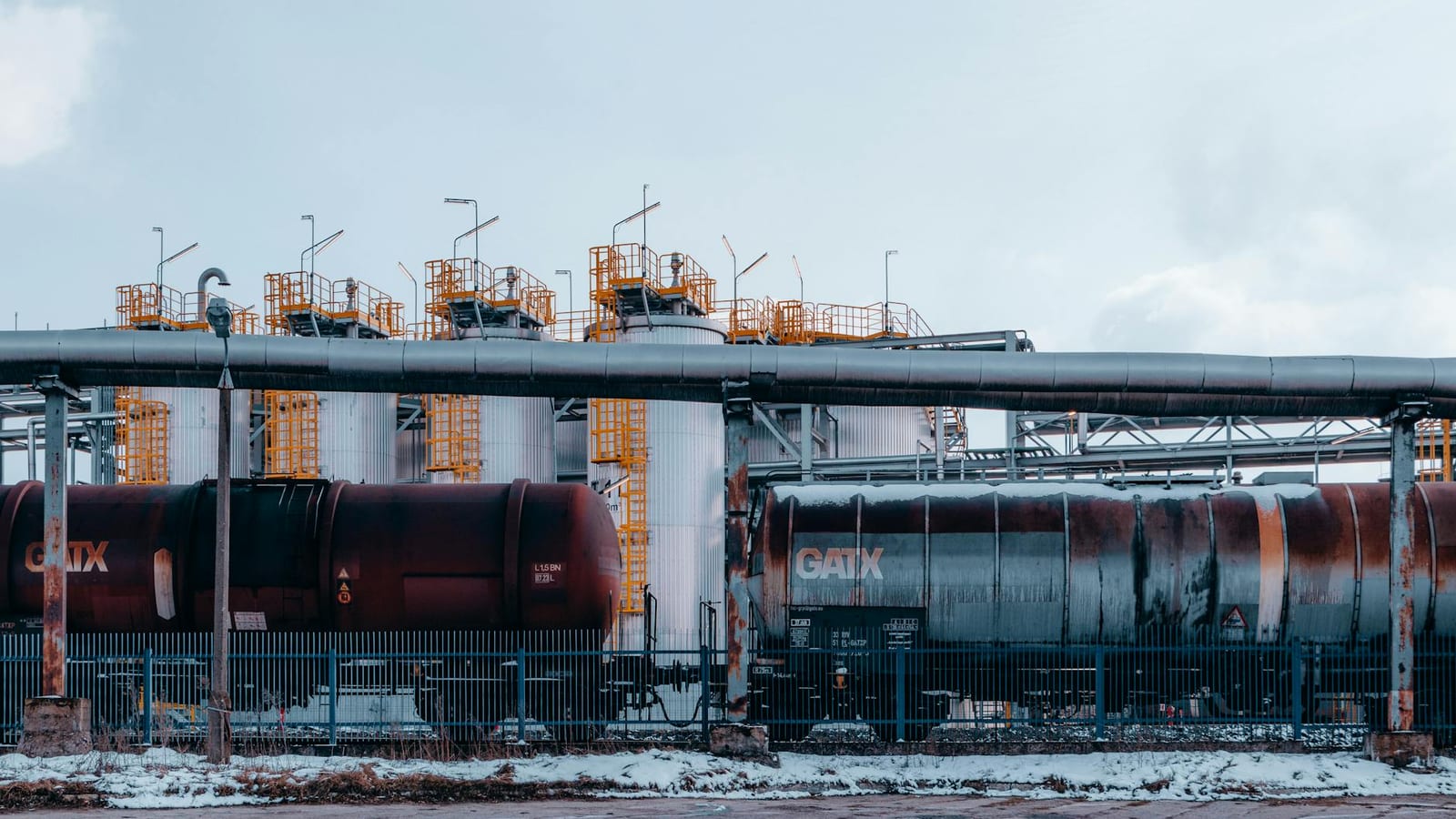
A barrel of oil near $112 is not just Wall Street’s problem. It can quietly enter India through petrol pumps, air tickets, fertiliser bills, and the rupee.
US stock futures slipped on Monday, May 18, as investors faced a messy mix of expensive oil, high bond yields, and nervous waiting before Nvidia reports earnings this week.
The S&P 500 futures fell 0.4 percent. Nasdaq Composite futures dropped 0.3 percent. Dow Jones Industrial Average futures lost 0.8 percent. For an Indian investor with overseas exposure, that means the mood in US markets has turned cautious again.
Oil is driving market anxiety
Brent crude touched $111.86 a barrel in trade, after rising about 8 percent last week. US crude also moved higher, trading around $108 a barrel.
That matters for India more than most large economies. India imports most of its crude oil. When oil gets expensive, the country pays more dollars for the same fuel.
That can pressure the rupee. It can also make petrol, diesel, aviation fuel, plastics, paints, tyres, and transport costlier over time.
The Strait of Hormuz remains the big worry. The route handles a large share of global oil shipments. Any disruption there makes traders nervous, because supply can tighten quickly.
Kotak Securities said crude may stay strongly supported while Hormuz disruptions continue. It also warned that any breakthrough in talks could trigger sharp selling in oil.
That is market language for a simple idea. Prices are carrying a fear premium. Remove the fear, and some of that premium can vanish fast.
Wall Street waits for Nvidia
The US market had been running on one big story: artificial intelligence. Nvidia sat at the centre of that trade.
The company’s shares rose 4.7 percent last week. Its market value crossed $5.6 trillion, keeping it as the world’s most valuable company.
That number sounds distant, but it has real market weight. Many global funds own Nvidia directly or through technology-heavy indices. When the stock rises, portfolios look smarter. When it falls, the shine fades fast.
Investors now want Nvidia’s earnings on Wednesday to prove that AI spending still justifies these prices. The market does not only want profit. It wants confidence that companies will keep buying chips, servers, and data-centre capacity.
This is where the risk sits. A great company can still become an expensive stock. If expectations run too far ahead, even strong results may not satisfy traders.
Indian retail investors should watch this carefully. Many now invest in US funds, Nasdaq-linked products, and global tech themes. A correction in AI stocks can show up in their statements within days.
Bond yields spoil the party
The other pressure point is the bond market. The US 30-year Treasury yield rose to its highest level in nearly a year. The 10-year yield also stayed firm.
A bond yield is basically the return investors demand to lend money. When yields rise, borrowing becomes costlier. Stocks, especially high-growth technology stocks, often feel the heat.
That is because investors compare choices. If safe bonds offer better returns, highly priced stocks must work harder to look attractive.
The Federal Reserve will release minutes from its latest policy meeting this week. Traders will study every line for clues on interest rates.
The Fed has kept rates high because inflation has not fully behaved. Recent US data showed consumer inflation at 3.8 percent and producer inflation at 6 percent.
That is uncomfortable. Higher oil can feed into transport, manufacturing, and household costs. It also makes central banks slower to cut rates.
For India, this matters through the dollar and global capital flows. When US rates stay high, money often prefers dollar assets. Emerging markets then face tougher conditions.
Gold and silver regain shine
Precious metals also reflected the same anxiety. COMEX gold futures rose $27 to $4,588 per troy ounce. Silver gained $1.08 to $78.62 per ounce.
In India, MCX gold jumped ₹1,679 per 10 grams to ₹1,60,266. Silver rose ₹8,514 per kg to ₹2,80,400.
These are sharp moves. For a family planning jewellery purchases, the numbers are not abstract. A wedding budget can change quickly when gold jumps this much.
Gold usually benefits when investors seek safety. But high interest rates can limit its rise, because gold does not pay interest.
That creates a tug of war. Geopolitical fear supports gold. High bond yields hold it back.
Silver has had an even rougher ride. It had fallen heavily over the previous two sessions before Monday’s rebound. That suits traders, not conservative households.
What Indian investors should watch
Donald Trump said Iran needed to move faster in talks, while negotiations continued without visible progress. The standoff has now dragged beyond 80 days.
That timeline matters. Markets can digest a short shock. They struggle with a long one, especially when oil supply routes stay uncertain.
The US and China also failed to make clear progress on reopening normal flows through Hormuz after recent talks. That keeps energy traders on edge.
Corporate news added another layer. UnitedHealth Group fell in premarket trade after Berkshire Hathaway exited its stake. Space-related stocks gained after Elon Musk said he was back in Texas working on SpaceX listing plans.
Still, the main story remains oil, rates, and AI. These three are now pulling markets in different directions.
If oil rises further, inflation fears grow. If bond yields climb, tech valuations face pressure. If Nvidia disappoints, the AI rally may lose its strongest support.
For Indian investors, the sensible response is not panic. It is discipline. Check how much of your portfolio depends on one theme, one market, or one story.
A person with a ₹5 lakh equity portfolio may not see every US market fall immediately. But global weakness can hit Indian IT stocks, foreign fund flows, and broader sentiment.
The next few days will test whether markets still believe in the AI boom, or whether expensive oil forces everyone to look again at inflation. For ordinary readers, the lesson is plain: the price of crude may be set far away, but its bill often arrives very close to home.