Chip Stocks Slide as Inflation Jolt Tests AI Market Rally
Qualcomm, Intel, AMD and Nvidia fell after hot US inflation data hit AI stocks, raising concerns for Indian investors in global tech funds.
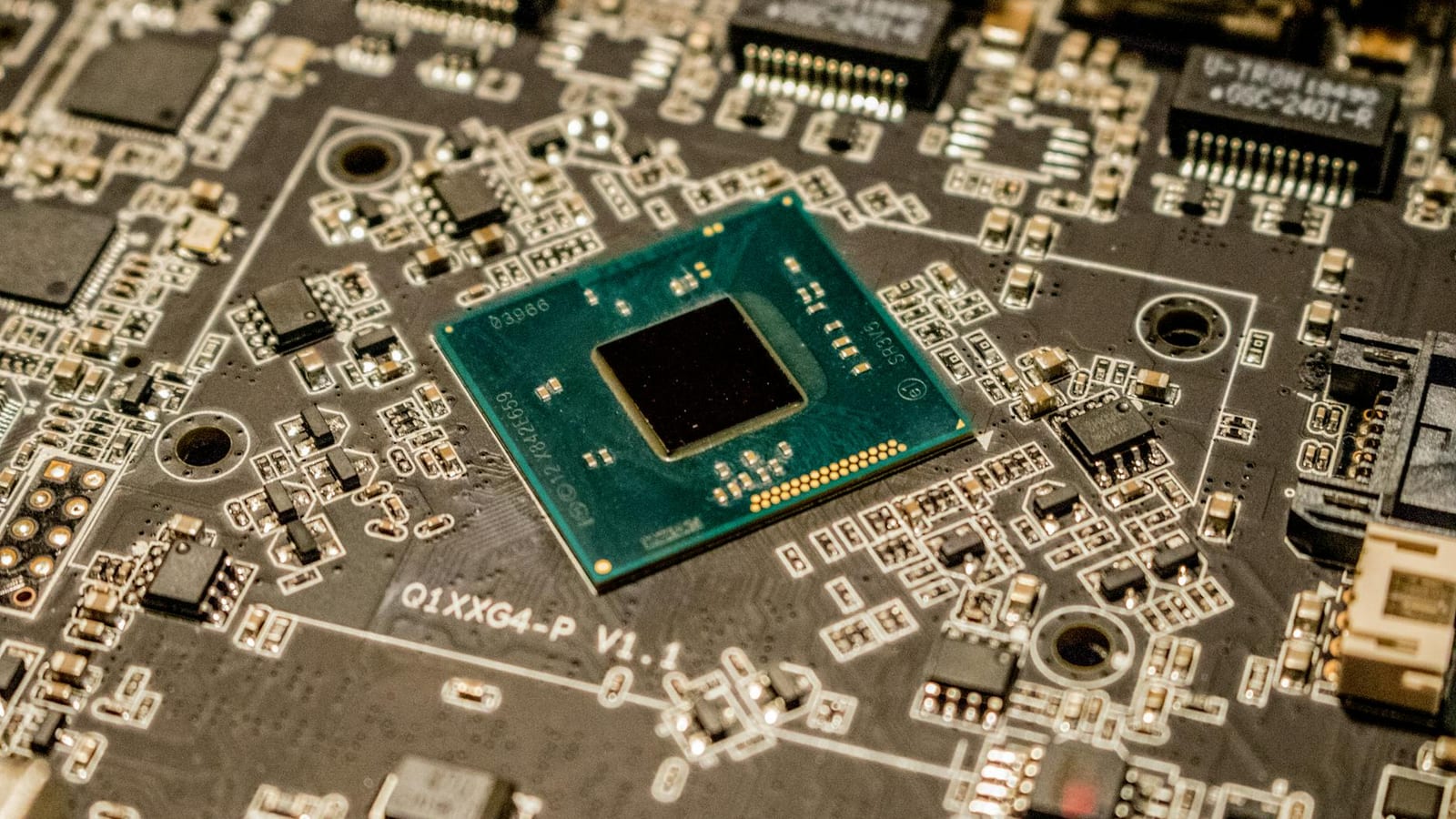
A hot inflation print in America just reminded investors that even the AI trade can sweat.
The Nasdaq-100 fell 2.3 percent on Tuesday, May 12, after chip stocks cracked under pressure. For an Indian investor holding US tech funds, that is not abstract. A ₹5 lakh exposure to this index would be down roughly ₹11,500 in one session.
The bigger worry is not one bad trading day. It is the uncomfortable mix of high oil, sticky inflation, war risk, and expensive AI stocks.
Chip stocks take the hit
Qualcomm led the fall, sliding 15 percent to $202.50. Intel, Micron Technology, Marvell Technology, and AMD lost more than 6 percent each. Nvidia also slipped 1.6 percent.
That may look mild for Nvidia, but context matters. The company sits at the centre of the AI boom. When even the market leader turns weak, traders start asking tougher questions.
The sell-off pulled the Nasdaq-100 to an intraday low of 28,648. The index had jumped 16 percent in April, its best monthly rise in six years. Even after Tuesday’s fall, it remained up 4.21 percent in May.
This tells us one thing clearly. Investors have not abandoned AI. They are asking whether prices ran ahead of profits.
Inflation spoils the AI mood
The trigger came from US inflation data. Annual inflation rose to 3.8 percent in April 2026, from 3.3 percent in March. That was the highest level since May 2023.
For markets, inflation is not just a number on a government sheet. It decides how expensive money becomes. When inflation rises, central banks often keep interest rates high, or raise them further.
The Federal Reserve now faces a tougher call. Markets see a possible 25 basis point rate increase by December. One basis point is one-hundredth of a percentage point, so 25 basis points means 0.25 percent.
Money markets also price in nearly a 70 percent chance of a Fed rate hike by April 2027. That matters for Indian investors too. Higher US rates often pull money toward dollar assets.
When that happens, emerging markets can feel the pinch. The rupee may weaken, foreign investors may turn cautious, and imported goods can become costlier.
Oil shock keeps pressure alive
The inflation problem has a clear source this time. Brent crude prices have risen nearly 50 percent from pre-war levels near $70 a barrel.
The Iran conflict has kept the Strait of Hormuz almost shut for more than two months. That narrow sea route carries a huge share of global oil trade.
For India, this is not a distant geopolitical headline. India imports most of its crude oil. Higher oil prices eventually show up in transport, aviation, paint, plastics, fertilisers, and household budgets.
A kirana store owner may not track Brent crude daily. But the effect arrives through freight costs and wholesale prices. Families then see it in grocery bills, fuel expenses, and school transport fees.
This is why Wall Street’s chip sell-off connects back to Indian households. Expensive oil feeds inflation. Inflation pushes rates higher. Higher rates hurt growth stocks first.
Valuations face a reality check
Semiconductors have powered the market rally since the launch of ChatGPT. Vested Finance said these stocks have formed the backbone of the recent surge.
That concentration is useful in good times. It also becomes risky when investors lose patience.
A handful of AI-linked winners have carried a large part of the US market. That means any doubt around inflation, oil, or taxes can hit the same crowded trade together.
Reports of possible new taxes on AI-related profits also hurt sentiment in South Korea. Samsung Electronics and SK Hynix came under pressure as investors weighed policy risk.
This is the part many retail investors miss. A great business can still become an uncomfortable stock if too many people buy it too fast.
Chip companies may keep growing. AI demand may remain strong. But markets do not only price the future. They also price fear, funding costs, and profit-taking.
What Indian investors should watch
For Indian investors, the first lesson is simple. Do not treat US tech funds as a one-way ticket.
A 2.3 percent fall in the Nasdaq-100 may not sound dramatic. But repeated falls can quickly bruise portfolios. A ₹10 lakh holding would lose about ₹23,000 in one such session.
The second thing to watch is the rupee. If US rates rise and the dollar strengthens, Indian investors in US assets may get some currency support. But imported inflation can also hurt the local economy.
The third signal is crude oil. If Brent stays high, the pressure will not remain limited to Wall Street. Indian airlines, oil marketing companies, logistics firms, and consumers will all feel it.
The fourth is earnings. AI stocks recovered earlier because company results looked better than expected. If earnings keep proving the story, the sell-off may cool. If not, valuations will face more stress.
The market is not saying AI is over. It is saying cheap money is no longer guaranteed, and oil can still humble the smartest trade in town. For ordinary investors, that means checking exposure, avoiding panic, and remembering one old market truth. When everyone crowds into the same winner, even good news needs room to breathe.