Bajel Projects Wins Power Grid Orders Worth Up To Rs 600 Crore
Bajel Projects has secured two domestic EPC orders from Power Grid project companies for substation and transmission line work.
A small-cap stock can move like a scooter in peak traffic. One sharp turn, and everyone notices.
That is why Bajel Projects will sit on market watchlists today. The power infrastructure company has won two fresh domestic orders from Power Grid Corporation of India, each worth between ₹200 crore and ₹300 crore.
For a retail investor, the simple question is this. Are these orders a real business signal, or just another short-term stock market spark?
Bajel wins two power orders
Bajel Projects told exchanges that Power Grid awarded the contracts through its project companies. The first order covers a 765kV air-insulated substation at Pune East.
It also includes bay extension work at Karjat and Lonikand-II substations. In plain English, these are the connection points that help move high-voltage power safely across the grid.
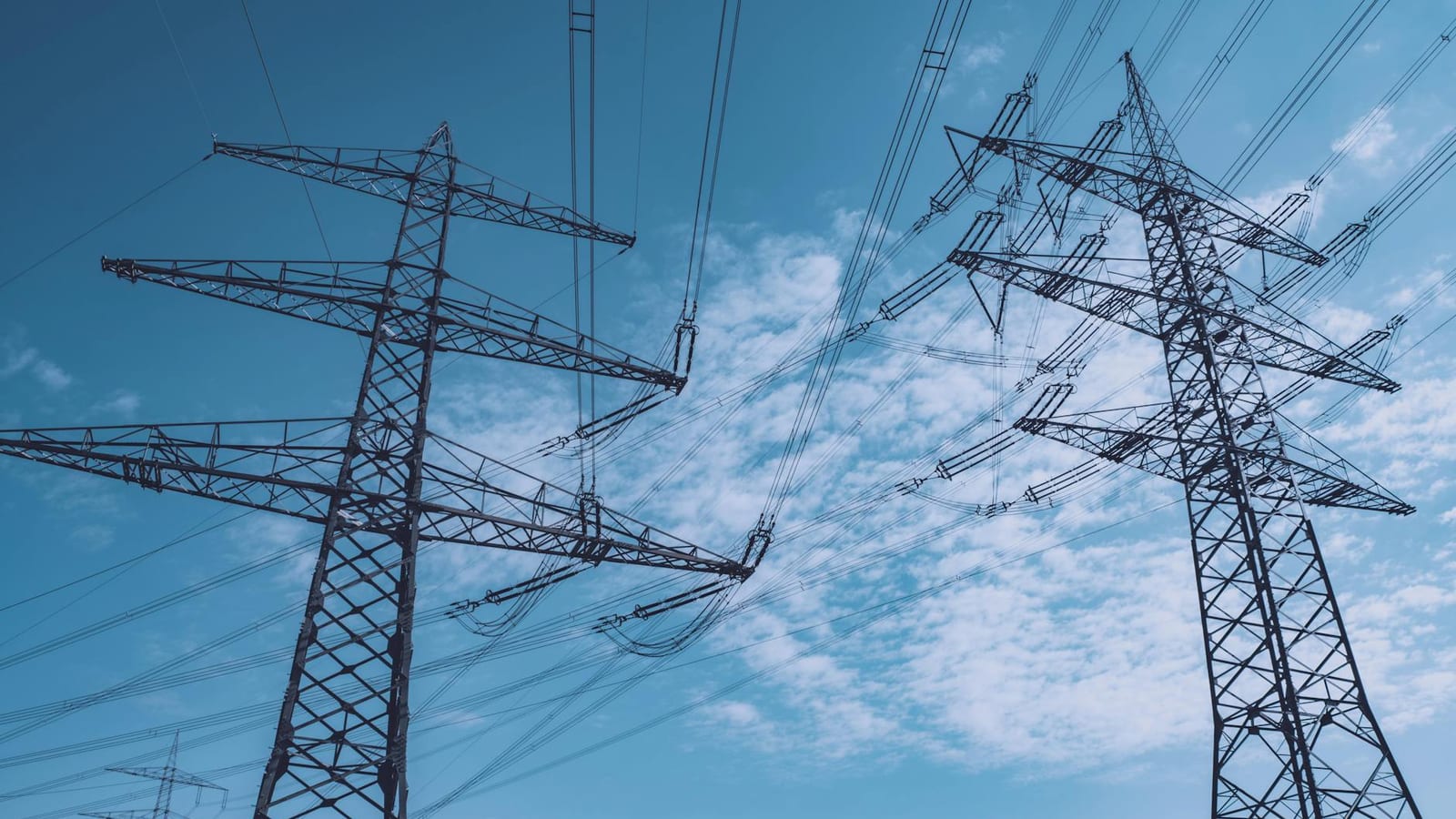
The second order involves a 400kV transmission line between Bellary and Davanagere. This is a double-circuit line, which means it can carry more power across the route.
Both contracts fall under EPC work. EPC means engineering, procurement and construction. The company designs the project, buys the material, and builds the asset.
Bajel said each project will take 21 months from the award date. That timeline matters because infrastructure companies book revenue gradually as work progresses.
Why the order size matters
At ₹200 crore to ₹300 crore each, the two orders together may add ₹400 crore to ₹600 crore to Bajel’s order book.
For a small-cap company, that is not loose change. Order inflow gives investors a first clue about future revenue visibility.
But markets will still ask harder questions. How much margin will Bajel earn? Can it finish work on time? Will payments arrive smoothly?
These questions matter more in EPC businesses than in many other sectors. A company may announce a large order, but execution decides the final profit.
Raw material prices can move. Labour costs can rise. Clearances can slow work. One delayed project can squeeze cash flow.
That is why serious investors will not look only at the headline order value. They will watch execution updates over the next few quarters.
The company also said the contracts are not related-party transactions. Its promoters have no interest in the awarding entities, Bajel told the exchanges.
That disclosure helps remove one common worry. In small-cap stocks, investors often check whether orders come from independent customers.
The MENA order adds context
These new domestic orders follow another large win in late April. Bajel had secured transmission line contracts from international clients in the Middle East and North Africa region.
That earlier package involved two connected sections of 500kV overhead transmission lines. The order value stood at around ₹400 crore.
Put together, Bajel has now announced meaningful order wins across Indian and overseas markets in a short span.
That gives the market a stronger reason to pay attention. One order can be luck. A few orders together can point to improving business traction.
Still, investors should separate company performance from stock price excitement. The two often move together, but not always.
Power transmission is a long-cycle business. Projects take months to build and years to reflect fully in earnings quality.
India’s electricity demand keeps rising as homes, factories, offices, data centres, and electric mobility use more power. The country needs stronger transmission networks to move electricity from generation points to users.
That is where companies like Bajel operate. They build the physical backbone behind the power supply most people take for granted.
For households, better transmission sounds boring until voltage drops, outages, or local supply gaps appear. For industry, weak power movement can mean higher costs and lost production.
Stock has seen sharp swings
The stock story has been far less steady than the order story. Bajel shares fell about 10 percent so far in May amid broader market weakness.
That means an investor with ₹1 lakh in the stock at the start of May would be down roughly ₹10,000, before charges and taxes.
April was the opposite. The stock rebounded 38 percent that month, giving some relief to shareholders after a weak run.
A ₹1 lakh holding at the start of April would have become about ₹1.38 lakh by month-end, if the investor held through the rise.
But the longer picture shows the risk in small-cap investing. The stock delivered a negative return of 36 percent in 2025 after nearly doubling in 2024.
So far this year, the stock is only slightly down. Yet that flat number hides a lot of turbulence.
This is the part many first-time investors miss. A stock can look exciting because it wins orders, but still test patience badly.
Small-cap shares often react sharply to news. Liquidity can be thinner, which means fewer buyers or sellers can move prices more.
That can help during rallies. It can hurt badly when sentiment turns.
Bajaj Electricals legacy remains important
Bajel Projects was earlier part of Bajaj Electricals as its EPC business. It carries that operating background in power transmission and distribution.
That legacy gives the company experience in a sector where project handling matters. Power infrastructure is not a business built only on ambition.
It needs engineering skill, supplier networks, field teams, safety discipline, and working capital control.
The market will also compare Bajel with larger infrastructure and transmission players. Bigger rivals may have stronger balance sheets and deeper execution capacity.
Bajel’s opportunity lies in proving it can grow without stretching itself too thin. Order wins are useful only when they turn into healthy revenue and cash.
For retail investors, the checklist is simple. Track order book growth, margins, debt, cash flow, and project delivery timelines.
Also watch whether fresh orders come from strong counterparties. Power Grid-linked projects usually carry better comfort than unknown clients.
But even strong customers do not remove all risk. Delays, cost overruns, and working capital pressure can still hurt returns.
Today’s order news gives Bajel Projects a clear market trigger. It also puts the company under a brighter light.
For ordinary investors, the lesson is not to chase every small-cap rally blindly. The better approach is slower and less thrilling. Ask whether the orders can become profits, whether profits can become cash, and whether the price already assumes too much good news. That is where the real story will unfold over the next 21 months.