Bajel Projects Wins Power Grid EPC Orders Worth Up To Rs 600 Crore
Bajel Projects has secured two Power Grid transmission contracts valued at Rs 400-600 crore, putting the small-cap EPC stock in focus on Thursday.
For a small investor, a ₹200 crore order is not just a headline. It is a signal to ask whether a company can turn paperwork into profit.
Bajel Projects will likely draw market attention on Thursday after winning two fresh power transmission orders from Power Grid Corporation of India. Each order carries an estimated value of ₹200 crore to ₹300 crore.
That means the combined order value could sit between ₹400 crore and ₹600 crore. For a small-cap engineering company, that is meaningful business, not loose change.
Two power orders lift interest
Bajel Projects told the stock exchanges that Power Grid awarded the contracts through two project companies. These are NES Pune East New Transmission Limited and Bellary Davanagere Power Transmission Limited.
The first contract covers a 765 kV air-insulated substation at Pune East. It also includes extension work at the Karjat and Lonikand-II substations.
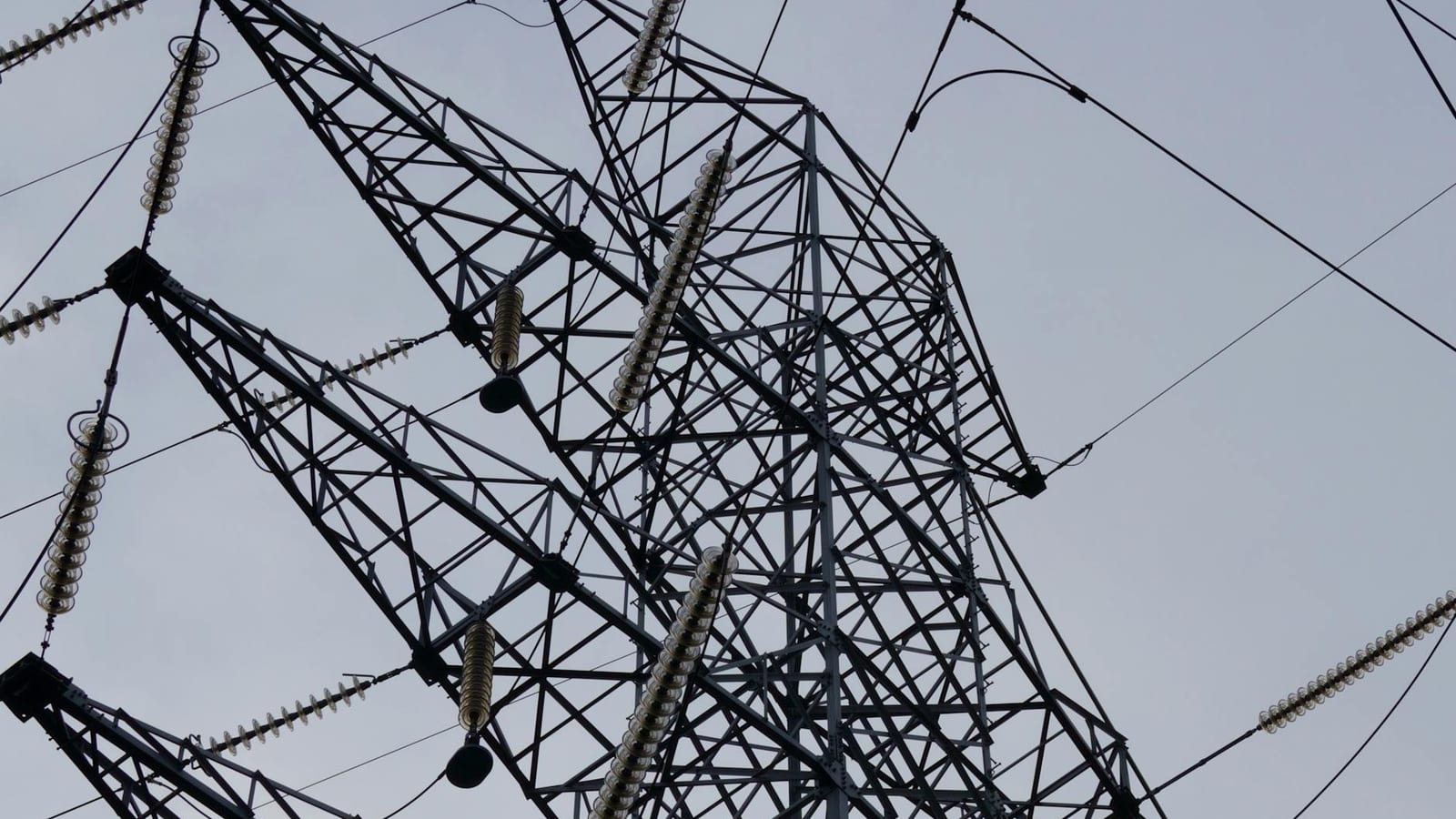
The second order involves a 400 kV Bellary-Davanagere quad double-circuit transmission line. In plain English, this is part of the grid network that moves electricity across regions.
Both are domestic engineering, procurement and construction contracts. EPC means the company must design, buy material, and build the project.
Bajel said both projects must be completed within 21 months from the award notification date. That timeline matters because EPC companies make money only when execution stays tight.
Why the order book matters
In infrastructure, orders are the raw material of future revenue. A company may win a large contract today, but investors still watch delivery, margins, and payments.
Bajel has now added another domestic win after a large overseas order in late April. That earlier contract came from clients in the Middle East and North Africa region.
The overseas order involved two connected sections of 500 kV overhead transmission lines. Bajel had pegged that order at about ₹400 crore.
Put together, the recent wins show that the company is getting noticed in high-voltage transmission work. This is the part of the power chain that rarely gets public attention.
Most people see electricity only when a bill arrives or a fan stops working. But behind that switch sits a huge grid of substations, towers, conductors, and control systems.
India needs more of this network as power demand rises. More factories, data centres, homes, malls, electric vehicles, and solar parks all need stronger transmission lines.
That is where companies like Bajel find opportunity. But opportunity and profit are not the same thing.
The stock has been choppy
The share price tells a more complicated story. Bajel Projects had fallen about 10 percent so far in May amid weakness in the broader market.
For someone holding ₹1 lakh worth of the stock at the start of May, that fall means a paper loss of about ₹10,000. Small-cap moves can pinch quickly.
April looked very different. The stock had rebounded 38 percent during the month, giving some relief after a weak stretch.
Before that, shareholders had a rough ride. The stock ended six of the previous eight months in the red.
The yearly picture also shows why investors must stay careful. Bajel delivered a negative return of 36 percent in 2025 after nearly doubling in 2024.
So far in the current year, the stock is only slightly lower, down around 2 percent. But that mild number hides sharp swings inside the year.
This is classic small-cap behaviour. Good news can bring quick interest, while broad market fear can drag the stock down just as fast.
A retail investor should not confuse a rising order book with guaranteed share price gains. The market often asks a second question: will these orders improve earnings?
Execution is the real test
Bajel Projects operates in power transmission and distribution infrastructure. The company was earlier part of Bajaj Electricals as its EPC business.
That legacy gives it operating experience in a specialised field. But public investors will judge the company on current delivery, not past family history.
EPC contracts can look attractive on paper. They also bring risks linked to material costs, labour, site delays, approvals, and payment cycles.
Steel, aluminium, conductors, transformers, and other equipment can affect margins. If input prices rise after a contract is won, the profit cushion can shrink.
The 21-month delivery schedule also leaves little room for sloppy planning. Any delay can stretch working capital and slow cash collection.
Bajel has stated that its promoters and promoter group companies have no interest in the awarding entities. It also said the orders are not related-party transactions.
That disclosure is useful for investors. It tells them the contracts came from outside entities, not from a group-linked arrangement.
Still, the bigger test will come over coming quarters. Investors will watch whether the company converts these wins into revenue without hurting margins.
What investors should watch now
The first number to watch is the total order book. A healthy order book gives revenue visibility, which markets usually like.
The second number is margin. If revenue rises but profit margins shrink, the market may not reward the stock for long.
The third is cash flow. Infrastructure companies often report profit before they collect full payment. That gap can strain the balance sheet.
The fourth is debt and working capital. EPC work needs money upfront for material, labour, and project mobilisation.
For a small-cap company, even one or two delayed projects can hurt sentiment. That is why investors should follow quarterly updates, not just order announcements.
There is also a wider India story here. Transmission infrastructure sits at the centre of the country’s energy transition.
Solar and wind projects often come up far from large cities. Power must travel from those sites to homes, offices, and factories.
Without enough transmission capacity, even cheap renewable power can get stuck. That means grid companies and EPC players will remain important.
But the stock market rarely gives a free ride. It rewards delivery and punishes missed timelines.
For ordinary investors, Bajel’s latest orders are worth tracking, not blindly chasing. The company has won meaningful business in a sector India needs badly. Now the market will want proof that those contracts can become steady revenue, clean cash flow, and real profits.