AI Data Centre Debt Fears Deepen Among Global Funds
Bank of America survey shows fund managers are increasingly worried that AI data centre borrowing may outrun future cash flows and strain credit markets.
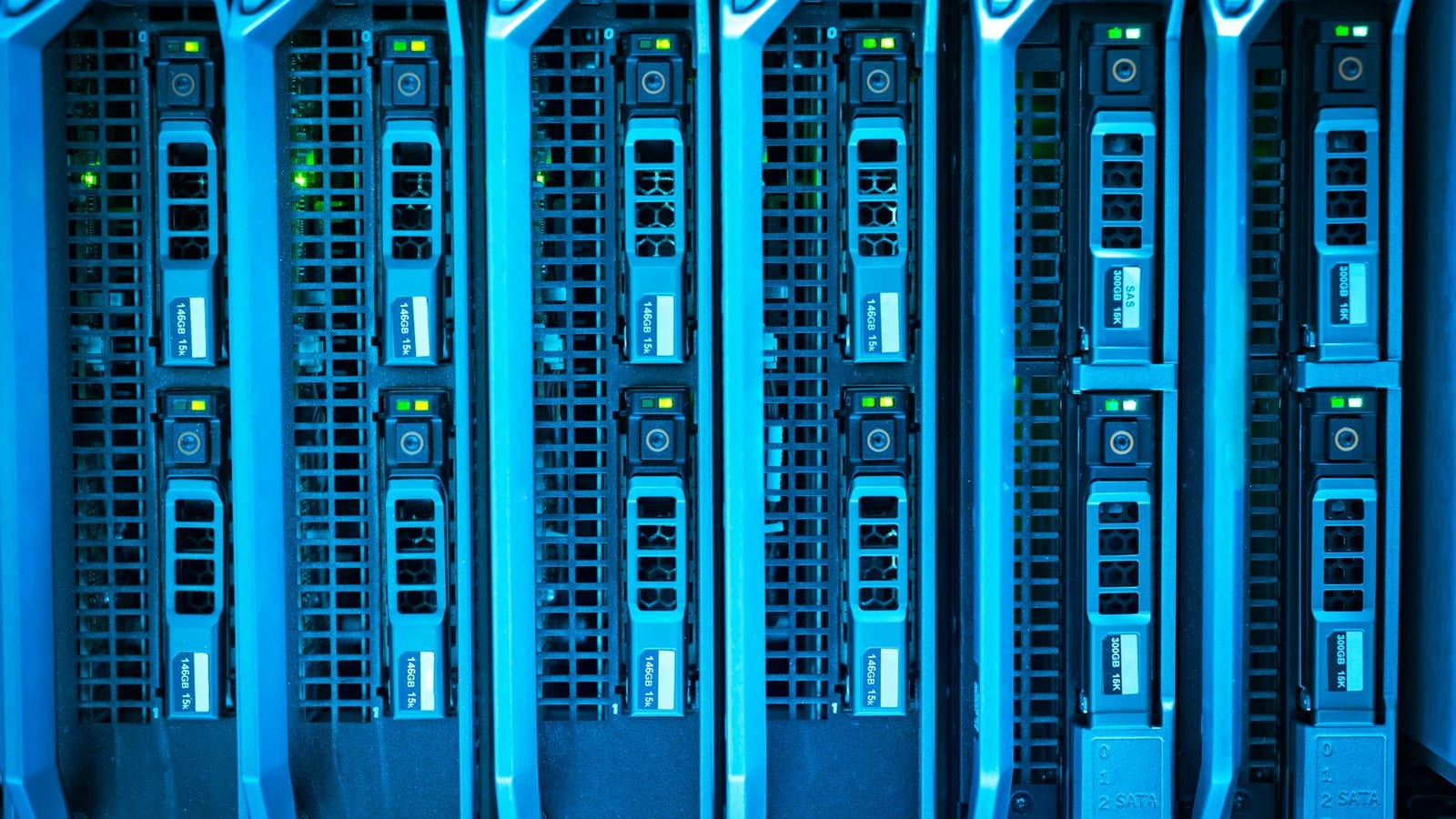
The AI boom now has a debt problem, and that should interest more than Silicon Valley.
A new investor survey by Bank of America shows how quickly nerves have changed. In April, 17 percent of global fund managers saw AI hyperscaler spending as the biggest future credit risk. In May, that share jumped to 34 percent.
That is not a small shift. It means big investors now worry that the money flowing into AI data centres may be moving faster than common sense.
AI debt is flashing amber
The concern sits in one simple question. Will these giant AI data centres earn enough money to justify the debt behind them?
Since the start of last year, technology companies have raised more than $300 billion from US investors for AI-related spending. Much of that money goes into data centres, chips, power systems, cooling equipment, and land.
For ordinary readers, think of it like a family taking a huge home loan before knowing its future income. The house may become valuable. But the EMI starts immediately.
That is what worries investors now. The AI story looks powerful, but the repayment schedule does not wait for future profits.
The survey covered more than 150 global fund managers between May 8 and May 14. Their answers show that AI infrastructure has moved from excitement to risk-watch territory very fast.
Wall Street changes its worry list
For now, US private credit remains the top credit worry. About 42 percent of surveyed fund managers named it as the most likely source of a systemic credit shock.
But that number was 57 percent in April. So the worry has not vanished, but attention has shifted.
Wall Street tends to behave like this before every big stress point. First, money floods into a hot theme. Then bankers find new ways to finance it. Then investors ask who holds the risk if growth disappoints.
AI data centres now sit firmly in that third phase.
Only 6 percent of respondents named US consumer credit as the main concern. Japanese government debt got 4 percent. Crypto and stablecoins got just 2 percent.
That tells us something useful. Investors are no longer only afraid of shaky borrowers. They are also afraid of good companies borrowing too much for a very expensive future.
The data centre bill is huge
AI does not run on clever software alone. It needs physical infrastructure at a massive scale.
A single large AI data centre needs advanced chips, steady electricity, backup power, fibre links, water or cooling systems, and long-term contracts. None of this comes cheap.
This is why hyperscalers, the giant technology firms that rent computing power at scale, keep spending. They cannot afford to fall behind in AI capacity.
But spending is not the same as earning. A data centre can look like a gold mine on a slide deck. It still needs customers who pay enough, for long enough.
David De Boltz, a managing director in leveraged finance at JPMorgan Chase, said the volume of such financing has grown at an exponential pace. He also said lenders are now working out how much cash they must keep ready for these deals.
That is banker language for a very practical issue. Everyone wants exposure to AI. But nobody wants to be caught short if the cycle turns.
Why India should care
At first glance, this may look like a US markets story. It is not.
Indian investors now hold global tech stocks through mutual funds, exchange-traded funds, employee stock plans, and offshore accounts. A wobble in US tech debt can quickly show up in portfolios here.
If a ₹5 lakh global tech portfolio falls 10 percent, that is a ₹50,000 paper loss. For a young professional saving for a house deposit, that is not abstract market noise.
Indian IT companies also watch this closely. If global clients spend too much on AI infrastructure, they may cut spending elsewhere. Software budgets, consulting work, and outsourcing projects can then face pressure.
There is another angle. AI spending has pulled capital toward firms directly linked to the technology. De Boltz said lenders have grown more cautious about financing software companies that AI might disrupt.
That shift matters for India because many Indian tech workers sit in software services, support, testing, and business-process roles. If global money starts favouring AI infrastructure over older software businesses, job markets may feel it over time.
This does not mean panic. It means the AI boom has moved beyond innovation labs. It has entered credit markets, where mistakes can become expensive.
Inflation remains the larger threat
The survey also asked investors about broader market risks. Inflation still topped that list.
About 40 percent of fund managers called a return of inflation the biggest threat. Geopolitical conflict came next at 20 percent. A disorderly rise in bond yields followed at 18 percent.
An AI bubble was named by 11 percent. Private credit came in at 6 percent on this broader risk list.
For Indian households, inflation remains the most familiar danger. It hits grocery bills, school fees, rent, transport, and loan rates.
But credit shocks matter too. When global lenders get nervous, money becomes more expensive. Companies delay projects. Hiring slows. Stock markets start pricing in fear before official numbers show weakness.
That is why this AI debt story deserves attention. It is not just about technology companies chasing the future. It is about how much borrowed money the financial system can absorb without losing balance.
The sensible way to read this moment is neither blind excitement nor doom. AI will keep growing, and data centres will keep getting built. But investors should now ask harder questions. Who is borrowing? Who is lending? When do the profits arrive? And if they arrive late, who pays first?
For ordinary savers, the lesson is simple. Big themes can be real and risky at the same time. The AI race may shape the next decade, but debt will decide who survives the journey.