Vijay takes charge in Tamil Nadu, doubles free power limit
Actor-politician Vijay was sworn in as Tamil Nadu chief minister and moved to double the free electricity limit to 200 units for households statewide.
For Tamil cinema, the box office now has a Chief Minister’s chair beside it.
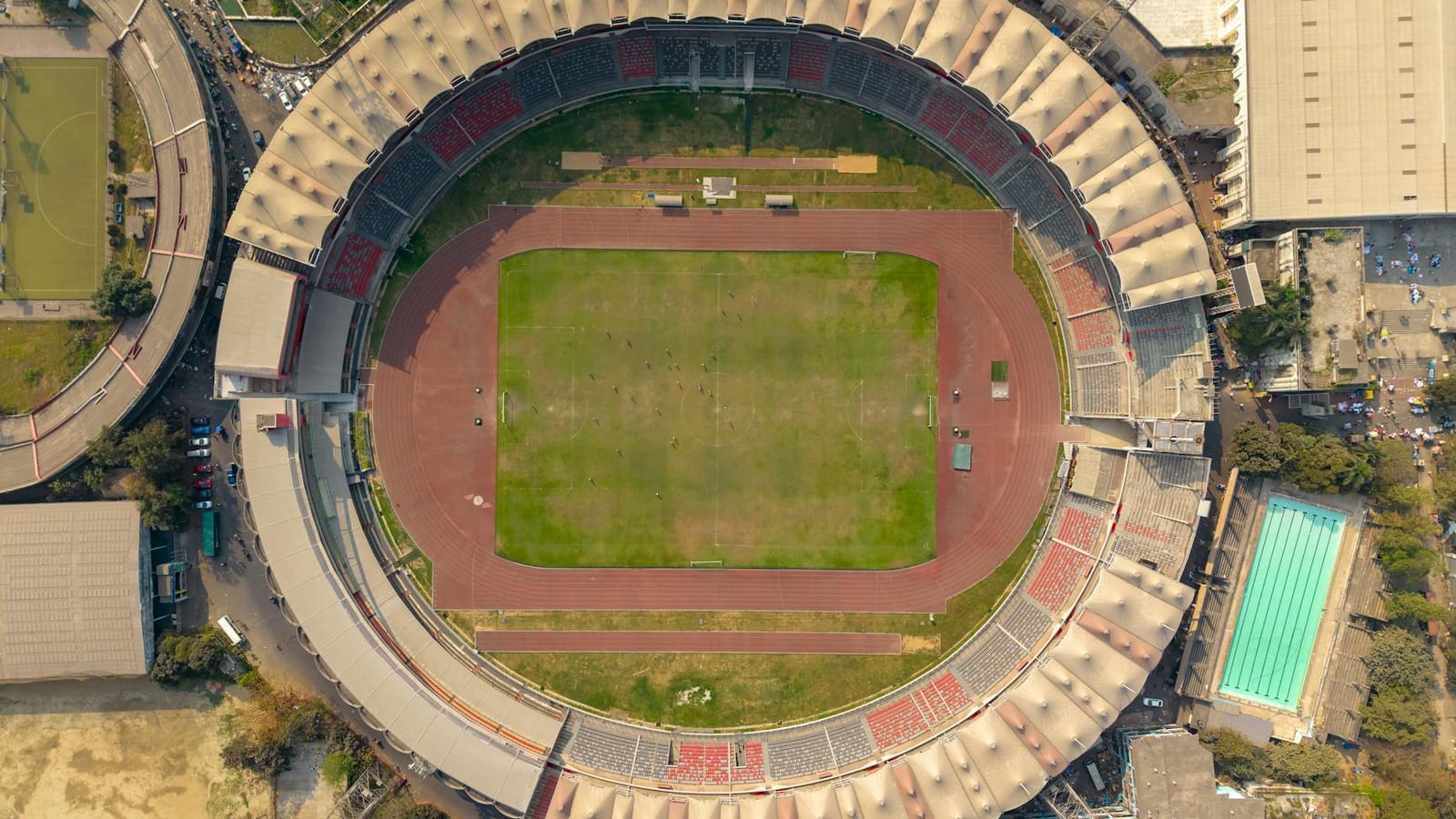
Thalapathy Vijay, one of India’s most bankable film stars, has moved from fan shows to state power. After taking oath as Tamil Nadu Chief Minister at Chennai’s Nehru Stadium, he signed decisions that speak directly to households.
The big one is electricity. His government has doubled the free power limit to 200 units. For many middle-class homes, that can mean a much lighter bill.
That is not just politics. It is classic Vijay communication.
His screen image has always leaned on the common man. The angry student, the wronged worker, the son fighting a corrupt system. Now his first governing moves seem built to tell voters the same thing, only without a fight scene.
A video from the oath event also travelled fast online. Vijay was seen helping lift a table after the ceremony. Supporters read it as humility. Critics will call it theatre. In Tamil Nadu, both can be true.
This is a state where cinema and politics have never lived in separate rooms. MGR did it. Jayalalithaa did it. Karunanidhi wrote cinema before he wrote policy from power. Vijay is not entering unknown territory. He is entering a very demanding tradition.
The difference is the media age.
Earlier, a star’s political image came through posters, rallies, songs, and party papers. Vijay’s image now moves through short videos, fan edits, livestreams, and phone screens. A small gesture can become a campaign message within minutes.
That gives him reach. It also gives him no hiding place.
His declared assets have drawn attention too. Vijay’s total declared wealth stands at about Rs 624 crore. His bank balance, share market holdings, and related investments add up to around Rs 213 crore. He also has fixed deposits worth about Rs 100 crore.
One detail stands out. Vijay has not declared investments in mutual funds, bonds, or debentures. That is unusual for someone with this scale of wealth.
For ordinary readers, the point is simple. A fixed deposit is the safest, most familiar parking spot for money. Shares can rise or fall. Mutual funds spread risk through many stocks. Bonds and debentures are loans given to companies or governments for interest.
Vijay’s disclosed portfolio suggests a preference for direct and familiar assets. It also reflects how many Indian high earners think. They may earn like institutions, but invest like families.
This financial picture matters because actor-politicians face a special test. Voters love stars, but they also study their wealth closely. They want success, but not distance. They want charisma, but not arrogance.
That is why the table-lifting video worked for his supporters. It placed a very rich superstar in a simple frame. No speech. No slogan. Just a man moving furniture.
But governing Tamil Nadu will need far more than symbolism.
The 200-unit free power promise will help many households. It will also test the state’s finances. Free electricity is popular because it reaches the bill-paying voter immediately. It is also expensive because the government must pay somewhere.
That “somewhere” is usually the state budget or the power utility.
Tamil Nadu already has a large welfare model. It has long mixed subsidies with industrial growth. The state has auto plants, electronics factories, textile clusters, ports, and a strong services base. Vijay now inherits that machine.
His challenge is to keep the welfare promise without weakening the growth engine.
This is where his film career offers both strength and risk.
Vijay understands mass mood better than most politicians. His films worked because they knew when to speak softly, when to explode, and when to give the crowd a line to repeat. Politics also rewards timing.
But cinema gives instant applause. Government gives delayed anger.
A fan can forgive a weak second half. A voter will not forgive a power cut, a bad road, or a delayed benefit. The theatre empties in three hours. A state watches you every day.
For the Tamil film industry, Vijay’s rise creates a different set of questions.
He has been one of the industry’s biggest revenue centres. His films brought huge opening weekends, premium satellite deals, and strong overseas business. Distributors, theatre owners, music labels, and streaming platforms all planned around his release calendar.
If he stays away from films, that leaves a very large commercial space.
Producers will look for the next dependable festival star. Sivakarthikeyan, Dhanush, Ajith, Suriya, and newer names will all feel the market shift in different ways. Theatres need event films, especially outside metros. Vijay’s absence changes that arithmetic.
Streaming platforms will also watch closely. Star-led Tamil films travel well across India when dubbed properly. Vijay’s titles often drew audiences beyond Tamil-speaking viewers. A long political break reduces the supply of such tentpole films.
Yet his political success may also increase the value of his older catalogue. When a film star becomes Chief Minister, every old punch dialogue gets a second life. Television channels know this. Digital platforms know this better.
The fan clubs are the real bridge here.
For decades, Vijay’s fan networks organised celebrations, welfare drives, blood donation camps, and local visibility. In electoral politics, that structure becomes a booth-level asset. It can carry messages into streets where paid advertising cannot.
But fan energy can only start a political journey. It cannot run a government.
Tamil Nadu voters are emotional, but not naive. They have seen powerful leaders before. They know the difference between screen courage and administrative skill. Vijay’s first months will decide how quickly he learns that difference.
His early decisions suggest he wants to keep the focus on relief. Lower bills, visible simplicity, direct gestures. That is a sensible opening pitch.
The harder chapters will come later. Jobs for young graduates. Water stress. Urban heat. Farmer distress. Industrial land. State debt. Public schools. Public hospitals. These are not issues a star image can solve alone.
Still, Vijay’s entry marks a serious shift in Indian entertainment culture.
For years, actors used politics for influence, visibility, or occasional power. Vijay has gone further. He has turned stardom into a full political project. The industry will study that closely, even if few can copy it.
For ordinary people, the story is more immediate.
If the free power promise holds, homes will feel it in monthly bills. If the new government slips, the same homes will feel that too. Vijay’s fans may still cheer the hero. Voters will judge the Chief Minister.
That is the real interval point. The star has delivered the opening. The state is waiting for the screenplay.