Tumbbad Finds New Audience On Prime Video Years Later
Tumbbad is drawing fresh attention on Prime Video as viewers revisit its mix of horror, myth and greed, six years after its theatrical release.
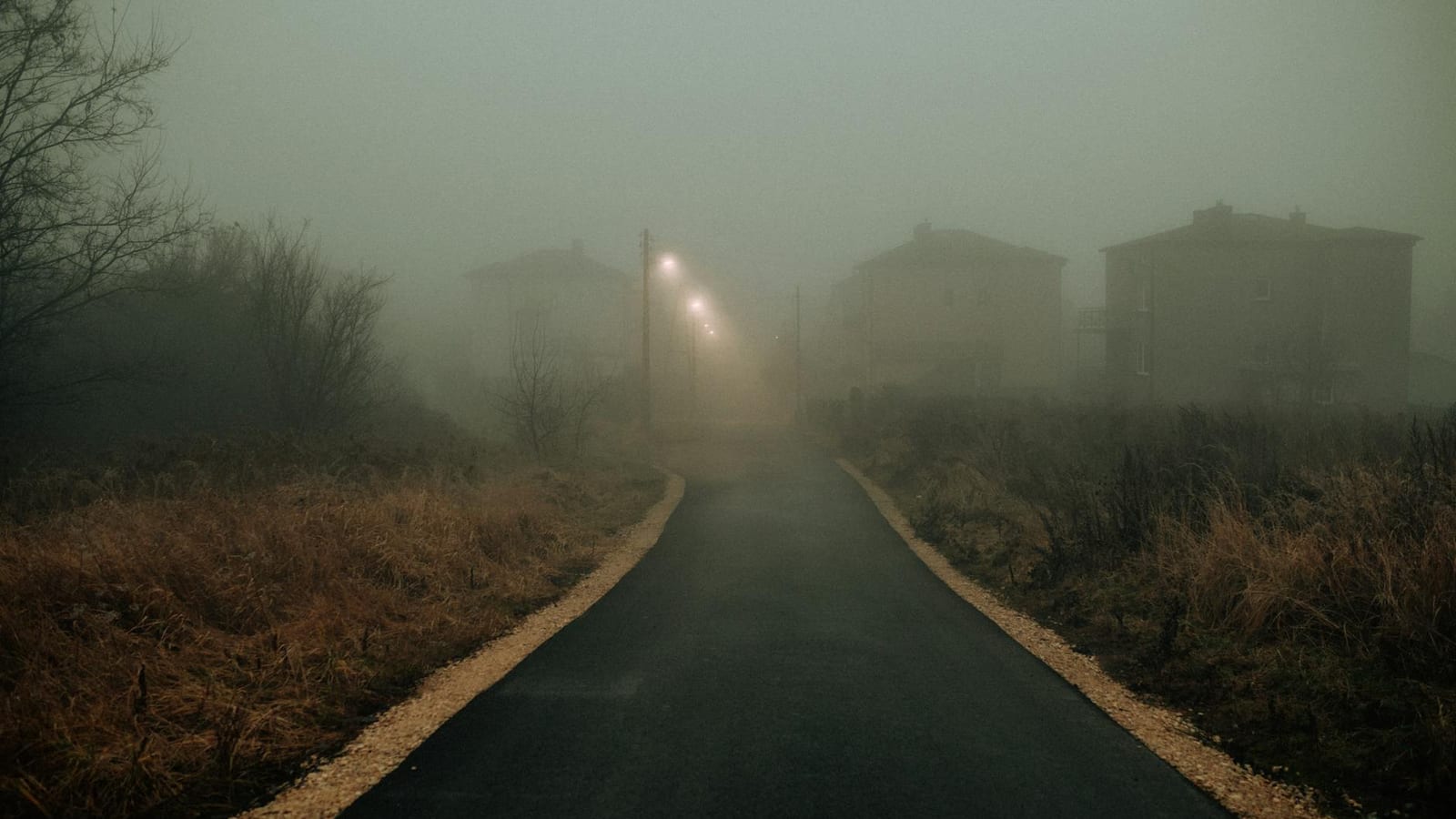
A greedy man walks into a cursed village, looking for gold. Six years later, Indian streaming audiences are still talking about what he found there.
That is the strange staying power of Tumbbad. The 2018 horror fantasy has returned to conversation because viewers keep discovering it on Prime Video, where its dark mood and nasty moral bite still feel unusually fresh.
For a Hindi film industry that often treats horror as jump scares and loud music, Tumbbad took a colder route. It made greed the real monster, then wrapped that idea in rain, mud, myth, and family rot.
Why Tumbbad still travels
Tumbbad is set around a mysterious village in Maharashtra, where one family hides an ugly secret. They worship Hastar, a forgotten creature linked to gold, hunger, and punishment.
The film follows Vinayak Rao, played by Sohum Shah. As a boy, he sees enough horror to leave the village. As a man, he returns because the promise of gold refuses to leave him.
That is why the film works beyond the usual horror audience. The fear does not come only from a creature in the dark. It comes from a very familiar weakness.
Anyone who has seen families fight over property will understand Vinayak. Anyone who has watched money change a person will understand the curse.
The film’s IMDb rating of 8.2 also tells its own story. Ratings can be noisy, but in this case they reflect a clear fan base. Viewers did not just watch Tumbbad. They recommended it, debated it, and pushed others toward it.
Horror built on hunger
The smartest thing about Tumbbad is its simple moral engine. Vinayak knows the danger. He understands the price. He still goes back.
That makes the film less about bravery and more about addiction. The gold coins are not a reward. They are bait.
Hastar, the creature at the centre of the myth, wants food. Vinayak wants gold. The film keeps placing both hungers against each other.
This is not the glossy, urban horror that Hindi cinema often prefers. Tumbbad feels wet, old, and trapped. Its world has rules, but those rules are cruel.
The famous treasure scenes work because they are not just scary. They feel like a business deal with death. Vinayak risks his life, takes what he can, and returns again.
That cycle gives the film its bite. Greed rarely destroys people in one grand moment. It usually works in small visits, small compromises, and small excuses.
The craft behind the cult
Tumbbad was directed by Rahi Anil Barve and Anand Gandhi, with writing credited to Mitesh Shah, Adesh Prasad, Barve, and Gandhi. That mix shows in the final film.
It has the scale of folklore, but the discipline of a tight thriller. The film does not explain every corner of its mythology. It gives viewers enough to feel the danger.
For the industry, that mattered. Indian horror has often been treated as a lower-risk genre. Producers spend less, expect quick returns, and move on.
Tumbbad challenged that habit. It showed that genre cinema can build value over time, especially on streaming.
A film like this may not behave like a Friday-to-Sunday blockbuster. Its business grows slowly. A friend recommends it. A clip travels. A festival mention returns online. Then streaming gives it a second life.
That is now a real part of film economics. OTT platforms do not just host old films. They keep certain films alive in public memory.
For Prime Video, Tumbbad fits neatly into that library value. It is not merely content to fill a row. It is the kind of title that makes horror fans stop scrolling.
What Tumbbad 2 signals
The announcement of Tumbbad 2 for a theatrical release on December 3, 2027, changes the conversation. It means the brand has moved from cult film to planned franchise.
That is a serious shift. Cult films usually survive on affection. Franchises need strategy, money, timing, and audience trust.
The challenge will be clear. A sequel cannot only repeat the creature, the gold, and the damp corridors. It has to find a new reason to exist.
The first film worked because greed felt personal. Vinayak was not a hero fighting evil. He was a man feeding it.
If the sequel understands that, it can grow the world without flattening it. If it simply expands the mythology, it may lose the human ugliness that made the original sharp.
For Sohum Shah, the sequel also carries career weight. Tumbbad remains one of his strongest screen associations. Returning to that universe gives him a rare chance to deepen a role audiences already respect.
For theatres, the 2027 date is interesting too. Horror has become more valuable in cinemas because it gives audiences a shared experience. People still enjoy fear more in a crowd.
That is why the release window matters. By then, the makers will need to remind viewers why Tumbbad felt different in the first place.
Why Indian audiences relate
At heart, Tumbbad is not about a monster. It is about inheritance.
That word means many things in India. It can mean land, jewellery, debt, family pride, or a secret nobody wants discussed.
The film turns that emotional truth into horror. One generation’s greed becomes the next generation’s burden. A child watches, learns, and later repeats the pattern.
That is why the story sticks. It does not ask viewers to believe in a demon first. It asks them to recognise temptation.
A young professional chasing a bigger flat understands that pull. A small trader taking one risky loan too many understands it too. So does any family that has seen money enter the room and change its temperature.
Tumbbad exaggerates greed into myth, but the feeling remains ordinary. That is its real strength.
The film also reminds the industry that Indian folklore still has power. Not as decoration, and not as a costume rack. It works when makers treat it as a living moral universe.
Streaming has made the film easier to find. The sequel will test whether that discovery can become box-office demand.
For now, Tumbbad’s afterlife says something useful about Indian audiences. They will show up for horror when it respects their intelligence. They will sit with darkness when it tells them something true. And sometimes, the scariest story is still the oldest one, a man sees gold, knows the cost, and reaches anyway.