Solapur Officials To Cycle On Mondays In Fuel-Saving Push
Solapur Zilla Parishad officials will use bicycles every Monday as rain, heat and civic pressures shape a busy week across Maharashtra districts.
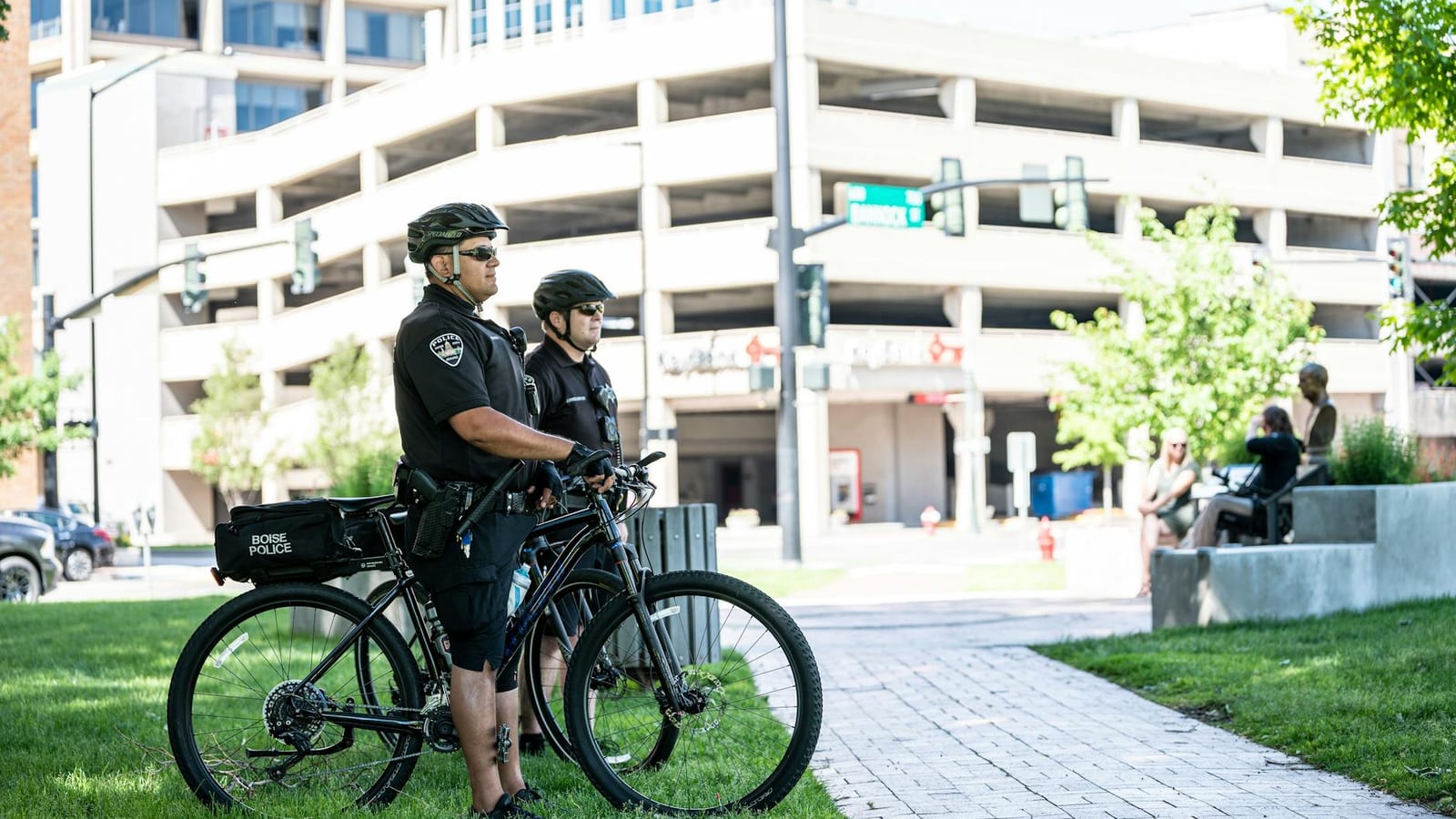
A sudden spell of rain can tell you plenty about a city. In Solapur, it sent people rushing for cover, even as the district administration spoke of saving fuel by cycling every Monday.
That small contrast sums up Maharashtra this week. One side has heat, exams, land dues, police cases, and farm distress. The other has local bodies trying to look cleaner, sharper, and more responsive.
For ordinary people, these are not separate headlines. They are the everyday business of living in a state where the weather, the market, and the state office can all change your week.
Solapur tries a fuel-saving turn
The Solapur Zilla Parishad has decided to answer Prime Minister Narendra Modi’s fuel-saving appeal in a visible way. Officials will use bicycles every Monday, as part of a local push to cut fuel use.
It is a simple move, but it carries a message. Government offices often speak in big targets. A cycle-to-work Monday is small enough for people to understand.
For a clerk commuting a few kilometres, it may work. For field staff moving across villages, it may be harder. That is the real test of such campaigns.
Solapur also saw sudden rain in several parts of the city. Residents were caught off guard, a familiar story in cities where drains, traffic, and daily work rarely adjust quickly to weather.
Pune faces land and exam heat
In Pune, the Mundhwa land matter has put the spotlight back on stamp duty. The stamp duty department has rejected a waiver request linked to Rs 21 crore in unpaid dues by Amedia company.
The company connected to Parth Pawar will now have to pay around Rs 23 crore. For most readers, stamp duty sounds like dull paperwork. It is not.
It is the money paid to legally record property deals. When large dues pile up, the issue becomes bigger than one company. It raises questions about how land deals move in fast-growing cities.
Pune is also preparing for supplementary board exams. Class 10 exams will run from June 16 to June 30. Class 12 exams will run from June 16 to July 8.
For students, this is a second chance. For families, it is also a stretch. Coaching, travel, fees, and pressure all return to the dining table.
Nashik’s NEET trail worries families
The NEET paper leak case has again shaken faith in competitive exams. Investigators suspect a Maharashtra link, with reports pointing to Nashik in the chain of events.
Police are looking at claims that a leaked paper from Jaipur may have been printed in Nashik. One student is suspected of using a high-tech scanner to create a digital copy within half an hour.
For a parent paying for coaching, this is not just a scandal. It feels like someone has tampered with a child’s future.
Medical entrance exams already demand years of discipline. When a leak enters the picture, honest students feel punished twice. They study hard, then wait for officials to clean up the system.
Nashik also saw separate action in a fraud case linked to the Kumbh Mela authority. Police arrested an accused who allegedly misused an official signature and seal to cheat people of Rs 4 crore.
That detail matters. Fake seals and forged papers work because citizens still trust official-looking documents. Once that trust cracks, every genuine notice also begins to look doubtful.
Mumbai and Nagpur see court concerns
In Mumbai, police reported a firing incident near Dockyard Road. One person was injured after two bullets were fired from behind.
The city has seen enough crime stories to know that such incidents spread fear beyond one lane. Traders shut shutters earlier. Residents avoid late travel. Families start making safety calls again.
Another Mumbai case has disturbed many readers. A young woman in Worli reportedly ended her life after harassment by her father. Police details point to a deeply painful domestic situation.
These stories are hard to read. But they also show why mental health and family abuse cannot stay hidden behind closed doors.
In Nagpur, the Bombay High Court’s Nagpur bench made an important point in a child custody matter. The court said children cannot be treated like property that can be handed over.
That line cuts through a common mistake in family disputes. Adults fight over custody, but children carry the weight. The law must look at their welfare first.
Nagpur’s farm belt has another worry. Government chana procurement has stopped again within days, while many farmers still have stock at home.
When procurement targets remain low, farmers lose bargaining power. A trader knows the farmer cannot wait forever. Storage costs money. Loans do not pause.
Heat, fuel, and small businesses
Vidarbha is again facing punishing heat. Akola touched 46.9 degrees Celsius, while several cities crossed 44 degrees.
These numbers can sound abstract from an air-conditioned office. On the ground, they change working hours, school routines, hospital visits, and electricity bills.
A construction worker cannot pause life till the temperature falls. A small shopkeeper cannot simply shut during peak afternoon if customers come then.
Fuel supply worries have also surfaced in Sangli, Kolhapur, Satara, and Ratnagiri. Reduced supply from the Miraj depot has left several places facing dry pumps.
That hurts more than private car owners. Milk vans, vegetable transporters, small manufacturers, and daily commuters all depend on steady fuel.
In a wedding season, even one supply disruption can ripple through local business. Goldsmiths, drivers, decorators, caterers, and small traders all run on tight timing.
Maharashtra’s week, then, is not one big story. It is a string of local pressures meeting ordinary lives. A student waits for a fair exam. A farmer waits for procurement. A worker watches the temperature. A family checks the petrol pump before planning travel.
That is where governance becomes real. Not in slogans, but in whether the exam is clean, the land record is fair, the police respond fast, and the farmer finds a buyer. The next few weeks will show whether these local systems can keep pace with the people who depend on them.