Mumbai to face 10% water cut as Maharashtra battles civic strains
Mumbai will see a 10% water cut from May 15 as low lake stocks add to wider Maharashtra concerns over schools, heat, bills and civic services.
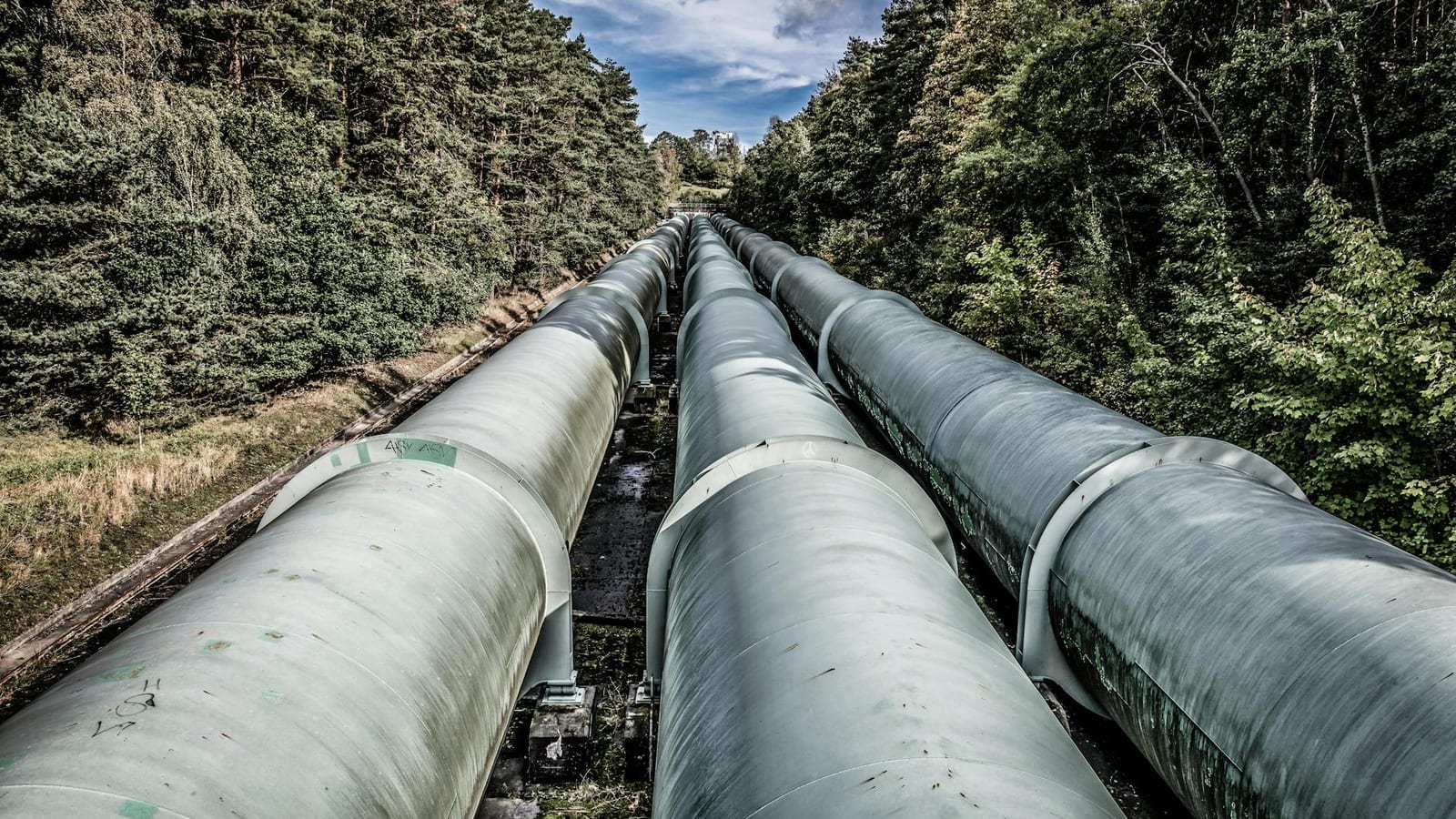
Mumbai’s taps will run a little slower from May 15. Pune’s parents are staring at illegal school notices. Vidarbha is back under brutal heat. This is what public life often looks like in Maharashtra, not one big crisis, but many small pressures arriving together.
For ordinary families, these are not separate headlines. Water, school, health, transport, land papers, and power bills all meet at the same dining table. That is where governance finally gets judged.
Mumbai prepares for water cuts
The BMC has decided to impose a 10 percent water cut in Mumbai from May 15, after water stocks in lakes dropped. The civic body has called it a precaution, which is sensible language. But for residents, even a small cut changes daily routines.
A 10 percent cut does not sound dramatic on paper. In a crowded building, it means shorter storage time, tighter morning schedules, and more fights over tankers. Households with elderly people, young children, or working couples feel it first.
Mumbai knows this drill too well. Every summer, the city remembers how much it depends on rainfall stored far away. The richest financial district and the smallest rented room both wait for the same monsoon.
The lesson is simple. A city cannot keep adding towers, offices, and redevelopment projects while treating water planning as seasonal panic. Mumbai’s summer stress has now become a yearly warning.
Pune faces school and pollution worries
In Pune, the education department has found 487 schools running illegally across the state. Officials have taken action against 76 schools, filed cases against 111, and imposed penalties on 325.
For parents, this is a frightening number. A school is not like a roadside shop where customers can simply walk away. Children lose years when permissions, records, and management claims fall apart.
Many parents choose schools after stretching household budgets. They pay fees, buy uniforms, arrange transport, and trust the board outside the gate. If that school later turns out to be illegal, the family pays twice.
The state now needs more than notices and police cases. It must tell parents which schools are safe, which are not, and what happens to enrolled students. Children should not become collateral damage in a paperwork failure.
Pune is also dealing with another everyday problem, dirty air. Metro work, flyovers, and redevelopment have increased dust and smoke across the city. Officials have flagged risks for children, pregnant women, and senior citizens.
This is the difficult side of urban growth. People want better roads, faster trains, and modern housing. But if construction turns neighbourhoods into dust bowls, development starts feeling like punishment.
Land papers may get new value
Revenue Minister Chandrashekhar Bawankule has said Maharashtra plans to bring a land titling law in July. The state claims it will be the first in India to do so.
The promise sounds technical, but the idea is easy to understand. Today, many property documents show a chain of records. They do not always give a clean, final guarantee of ownership.
A land titling system aims to make ownership clearer. In simple terms, the state gives stronger legal backing to the title. That can reduce disputes, fraud, and confusion during sale or mortgage.
Bawankule also said property cards could be used more easily, even beyond India. That claim will need careful rules and practical systems. Banks, courts, and buyers will watch the fine print closely.
For small property owners, clear titles can change lives. A shop owner may get easier credit. A family may sell land without years of dispute. A buyer may avoid spending savings on a risky deal.
But land reform is never just software and records. Maharashtra has old disputes, missing papers, family partitions, and unclear boundaries. The law will work only if local offices handle corrections fairly.
Heat, solar and rural stress
Vidarbha is again feeling the heat. Akola has crossed 46 degrees Celsius, while several cities in the region are above 44 degrees. Amravati has also reported extreme temperatures.
Heat is not just discomfort anymore. It affects labourers, vendors, farmers, delivery workers, children walking to school, and patients in crowded hospitals. A few extra degrees can decide whether a workday is possible.
At the same time, Nagpur has crossed one lakh rooftop solar connections in its power circle, covering Nagpur and Wardha districts. Officials have linked the rise to the Pradhan Mantri Surya Ghar scheme.
That is a useful counterpoint. One part of the state is suffering from punishing sun. Another is trying to turn the same sun into cheaper electricity. The policy challenge is to connect both realities.
Rooftop solar can reduce bills for families that can afford installation. Subsidies help, but the poorest households still need easier financing and simpler paperwork. Otherwise, the benefits stay with the already comfortable.
Rural distress is also visible in smaller, harsher stories. In Solapur, farmer Ankush Anna Gunjal reportedly sold 73 sacks of onions and had only Rs 400 left after costs. The price he received was barely 50 paise.
That number says more than any speech. When transport, labour, market fees, and middlemen eat the sale value, farming becomes a gamble. The farmer carries the risk, while the consumer still pays more in town.
Public systems face trust tests
Several other reports point to a larger trust problem. The National Testing Agency has handed a suspected NEET irregularity matter to central investigators. For medical aspirants, even a hint of exam trouble creates panic.
These students spend years preparing. Families pay for coaching, hostel rooms, travel, and repeated attempts. If the exam process looks doubtful, the damage goes beyond one test.
In Nagpur, officials are also dealing with alleged fraud linked to NCMC cards used for state transport concessions. These cards were meant to make benefits easier for passengers. A scam in such a system hurts the people it was built to help.
There are also cases involving fake disability claims, delayed storm compensation in Sangli, and action against bogus doctors. Each case is different. But together, they show how weak verification punishes honest citizens.
The state does not lack announcements. It lacks patient follow-through. Citizens notice whether a school is actually legal, a bus card works, a disability benefit arrives, or a water cut ends on time.
That is the real test before Maharashtra’s administrators now. Big policy can wait for speeches, but daily life cannot. For ordinary people, good governance is simple: clean water, honest schools, safe exams, fair markets, and papers that hold up when needed.