Maharashtra Heatwave Puts Vidarbha Cities on Alert
Wardha hit 47.1°C as Vidarbha cities faced yellow alerts, raising concerns for workers, students and public services across Maharashtra.
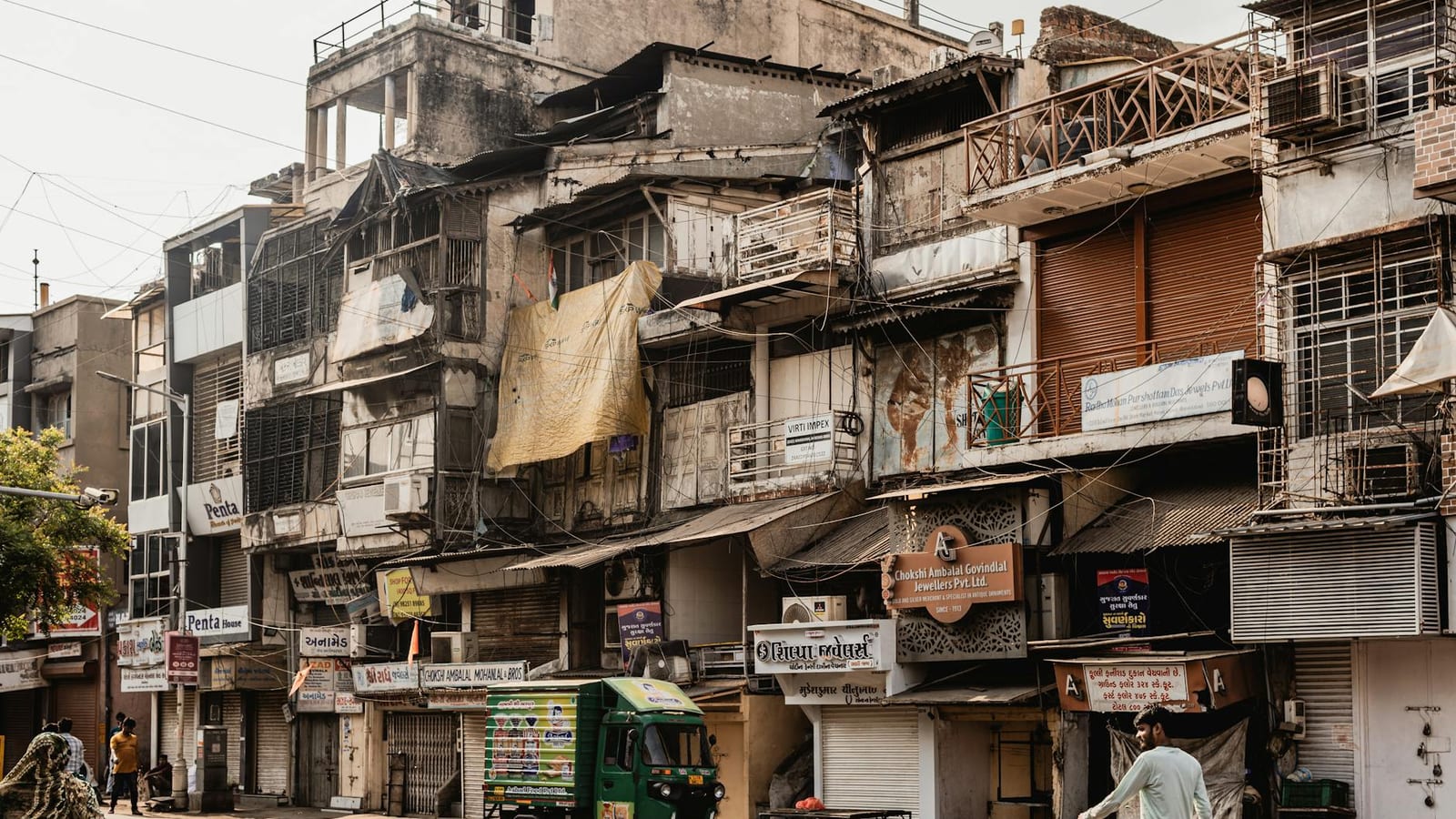
A 47.1 degree day does not feel like weather. It feels like a warning.
Across Maharashtra, the week’s headlines tell one larger story. Heat is rising, cities are choking, students are anxious, and the state is trying to answer with orders, drives, and big plans.
Some of these moves sound routine on paper. Bank recruitment rules, food checks, bus terminals, loan-waiver paperwork. But each one touches daily life in a very direct way.
Vidarbha feels the heat first
Vidarbha has once again become the state’s heat alarm bell. The weather department recorded 47.1 degrees Celsius in Wardha, 46.4 in Amravati, and 46.2 in Chandrapur.
Nagpur also crossed 45 degrees, with the city touching 45.5 degrees Celsius. Officials issued a yellow alert for the coming days.
For anyone outside central India, these numbers can look like just data. For people inside it, this is the difference between working and falling sick.
Daily-wage workers, street vendors, traffic police, delivery riders, and farmers face the worst of it. They cannot simply stay indoors through the afternoon.
The concern is no longer just summer discomfort. Heat now affects school timings, hospital loads, farm work, and power demand.
Nagpur also reported fears of multiple heatstroke deaths on a single day. Officials have not placed every detail in the public domain, but the warning is clear.
Maharashtra will need more than alerts. It needs shaded bus stops, water points, changed work hours, and better local health response.
Local jobs enter bank hiring
In Gadchiroli, the state government has taken a decision that will matter to rural families. District cooperative banks must now reserve 70 percent of recruitment posts for local candidates from the same district.
On paper, this is a hiring rule. In practice, it speaks to a long complaint from smaller towns.
Many young people clear exams, wait for vacancies, and still feel pushed out by candidates from larger urban centres. Local hiring rules try to correct that imbalance.
District cooperative banks are not glamorous workplaces. But in rural Maharashtra, they sit close to farmers, small traders, and self-help groups.
A local recruit understands the area better. They know the language, the crop cycles, and the pressure around loan repayment.
The move may also help reduce migration pressure. A government job near home can change a family’s finances for years.
But the state must handle this carefully. Local preference should not become poor screening. Banks need capable staff because they handle public money.
If the recruitment stays transparent, Gadchiroli’s model could become politically attractive elsewhere too.
Food safety gets sharper teeth
The state government has also moved against the chemical ripening, colouring, and preservation of farm produce.
Officials said checks will cover fruits, vegetables, farm goods, spices, and dry fruits. The action will include market committees, private markets, and licensed traders.
This matters because food fraud is not an abstract offence. It lands directly on the dinner plate.
A family buying mangoes, chillies, or leafy vegetables should not need a chemistry degree. They should be able to trust the market.
The government has warned that offenders may face criminal cases and lose licences. That is a serious threat for traders who depend on market access.
The bigger test will come during enforcement. Maharashtra has many markets, large and small. Checking them properly needs trained staff, labs, and follow-up.
A few raids make headlines. A steady system changes behaviour.
If the state wants this move to work, it must make testing faster and penalties predictable. Honest traders also need protection from harassment.
Mumbai looks at bus choke points
Mumbai is looking at another old pain point, traffic caused by private luxury buses.
The civic body is considering a major plan at Dahisar, worth about Rs 1,232 crore. Under the proposal, private travel buses may be stopped there instead of entering deeper into the city.
Anyone who has crossed the Western Express Highway late at night knows the problem. Long-distance buses slow down lanes, block pick-up spots, and add to an already tired traffic system.
The logic is simple. Keep large buses near the city edge, then move passengers through better local links.
But simple logic often meets Mumbai reality.
Passengers with luggage, children, or elderly parents will ask the first question. How do they travel from Dahisar to home at midnight?
If the answer is costly taxis and long waits, the plan will anger the very people it aims to help.
For this to work, Mumbai needs proper last-mile transport. That means reliable buses, safe waiting areas, toilets, lighting, ticketing, and clear signboards.
A bus terminal is not just a parking yard. It is a public service point.
The civic body will also need to speak to private operators. If rules change without coordination, chaos will simply move from one road to another.
Students, farmers and Colombo plans
The state’s news flow also carried a sharp political comment on the NEET paper leak controversy.
Ashok Chavan said a large racket appeared active behind the exam paper leak case. He argued that the scandal had hurt lakhs of students and their mental well-being.
That anxiety is real. For many families, NEET is not one exam. It is years of coaching fees, sacrifice, and pressure packed into one paper.
A leak breaks more than a test system. It breaks trust.
The state also moved on farm loan waiver paperwork. The cooperation department cancelled staff leave to speed up the work and even called back those already away.
That tells us the government wants visible progress. It also shows the administrative strain behind welfare promises.
Loan waiver files are not just files for farmers. They decide whether a household can borrow again, buy seeds, or settle old dues.
Another development reached beyond India. A pact between Buddhist leaders from India and Sri Lanka will support research and teaching cooperation.
Under it, a Dr Babasaheb Ambedkar Bhavan will be built in Colombo.
That carries symbolic weight. Ambedkar’s Buddhist turn was not only personal faith. It was also a political and social statement about dignity.
A centre in Colombo can deepen cultural ties between India and Sri Lanka. It also places Ambedkar in a wider Asian Buddhist conversation.
Maharashtra’s week, then, is not one neat story. It is a bundle of pressures, heat, jobs, food, traffic, exams, farms, and memory. For ordinary people, the question is practical. Will these decisions make daily life safer, fairer, and a little less exhausting? The answer will not come from announcements. It will come from how well the state follows through.