Maharashtra Fuel Shortage Puts Kharif Farms at Risk
Diesel shortages across parts of Maharashtra are worrying farmers as tractor work and kharif field preparation depend on timely fuel supply.
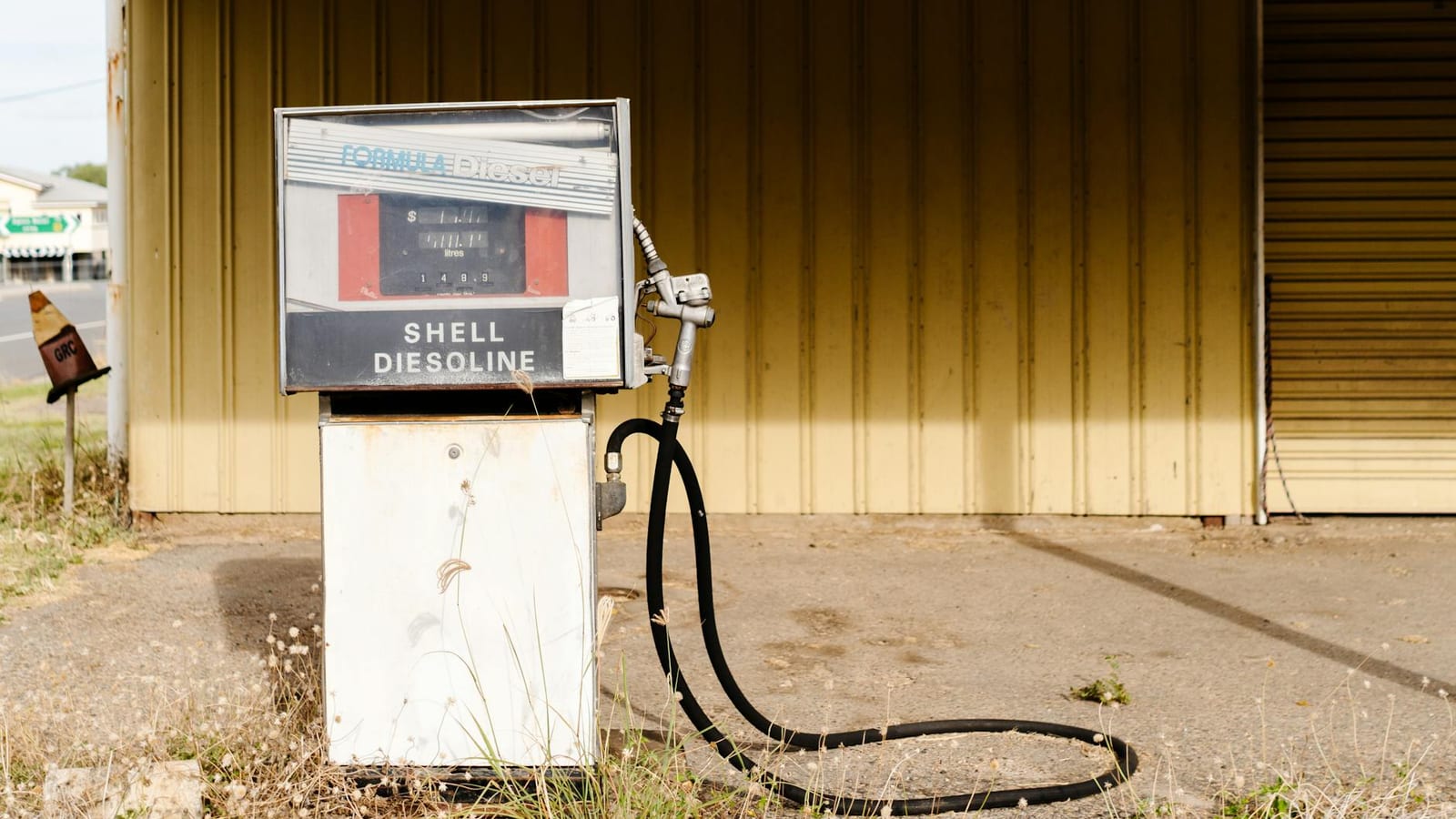
A farmer can delay a wedding by a week. He cannot delay the first rain.
That is why Maharashtra’s fuel shortage has landed at such an awkward time. Across parts of Maharashtra, several petrol pumps have run dry or started limiting diesel. For city drivers, this means longer queues. For farmers, it can mean a stalled tractor and a missed farming window.
The shortage has not hit every place equally. Mumbai and Pune appear better supplied. But in Vidarbha, Marathwada and parts of western Maharashtra, the pinch looks much sharper.
Diesel queues worry farmers
The worst timing belongs to the farmer.
This is the season before the kharif crop. Fields need ploughing, soil needs turning, and tractors need diesel. Once the monsoon arrives, farmers get only a narrow window to prepare land.
In Vidarbha and Marathwada, district updates point to long queues for diesel. Some pumps reportedly had no stock left. Others had enough only to serve limited customers.
That sounds like a small supply issue from Mumbai. On the ground, it feels different. A tractor sitting idle for one day can disturb an entire farm schedule.
Farmers cannot suddenly return to bullocks at scale. Many sold or stopped keeping them years ago. Modern farming now depends on tractors, pumps, transport vehicles and small machines.
So when diesel vanishes, farming work does not slow down. It stops.
Cities see a softer hit
The shortage has created two Maharashtras, at least for now.
Big cities such as Mumbai and Pune seem to have steadier supply. That is not surprising. Urban fuel networks usually get priority because demand is dense and visible.
A disruption in Mumbai becomes a traffic problem within hours. A disruption in rural Maharashtra becomes a farm problem first. It takes longer to enter television debates.
But rural shortages can hurt more deeply.
A salaried commuter may grumble and fill petrol at another pump. A farmer waiting for diesel before sowing season has fewer choices. A transporter stuck in a smaller town loses a day’s earnings.
There are also smaller businesses in the chain. Agri-input shops, produce traders, milk collectors and transport operators all run on fuel. If their vehicles slow down, local markets feel it quickly.
That is how a fuel shortage spreads. It does not remain at the pump.
Sangli turns to rationing
In Sangli, fuel rationing has reportedly begun at some pumps.
Rationing is the polite word for controlled frustration. It means pump operators try to stretch limited stock. Customers get less than they want, but more people get something.
This can prevent panic buying for a while. It also tells us supply has become uncertain enough to require management.
For ordinary drivers, rationing changes behaviour fast. People start topping up earlier. They avoid unnecessary trips. Some keep vehicles parked unless the journey matters.
For farmers and small transporters, the calculation is harder. They cannot postpone every trip. Milk must move. Vegetables must reach markets. Labourers must travel to work sites.
The longer the shortage lasts, the more it affects prices. Transport costs feed into food prices quietly. By the time consumers notice, the damage has already moved through the chain.
Officials and fuel suppliers need clear communication here. People can handle a shortage better than silence. What creates panic is not only empty tanks. It is not knowing when the next tanker arrives.
Technical snag, real damage
Initial district-level accounts point to technical reasons behind the reduced supply.
That phrase can cover many things. It may mean refinery movement issues, logistics trouble, depot constraints or distribution delays. Without a clear official breakdown, it is better not to guess.
But the cause matters less to the farmer waiting at the pump. For him, the problem is simple. The tractor needs diesel today.
This is where India’s rural economy shows its hidden dependence on smooth logistics. We speak often about minimum support price, crop insurance and irrigation. Fuel rarely gets the same attention.
Yet diesel sits beneath all of it.
It powers tractors before sowing. It runs pumps where electricity is unreliable. It moves fertiliser to shops and grain to mandis. It carries vegetables from villages to cities.
Even a short shortage can disturb this rhythm.
There is also a trust issue. When pumps run dry, people suspect hoarding. When rationing starts, rumours travel faster than tankers. Local administrations must check both supply and public messaging.
If the shortage is temporary, people should hear that clearly. If some districts face longer delays, they should know that too.
Maharashtra has seen enough seasonal stress to understand timing. A fuel disruption in a quiet month is irritating. A diesel disruption before kharif can become costly.
For ordinary readers, this is not just a rural story. It is a reminder that the food on a city plate begins with many small moving parts. One empty diesel tank in a village can travel, slowly and invisibly, into prices, supply and household budgets.