Kolkata Keep IPL Playoff Hopes Alive With Mumbai Win
Kolkata Knight Riders chased 148 to beat Mumbai Indians by four wickets, keeping their IPL 2026 playoff push alive as the table tightened.
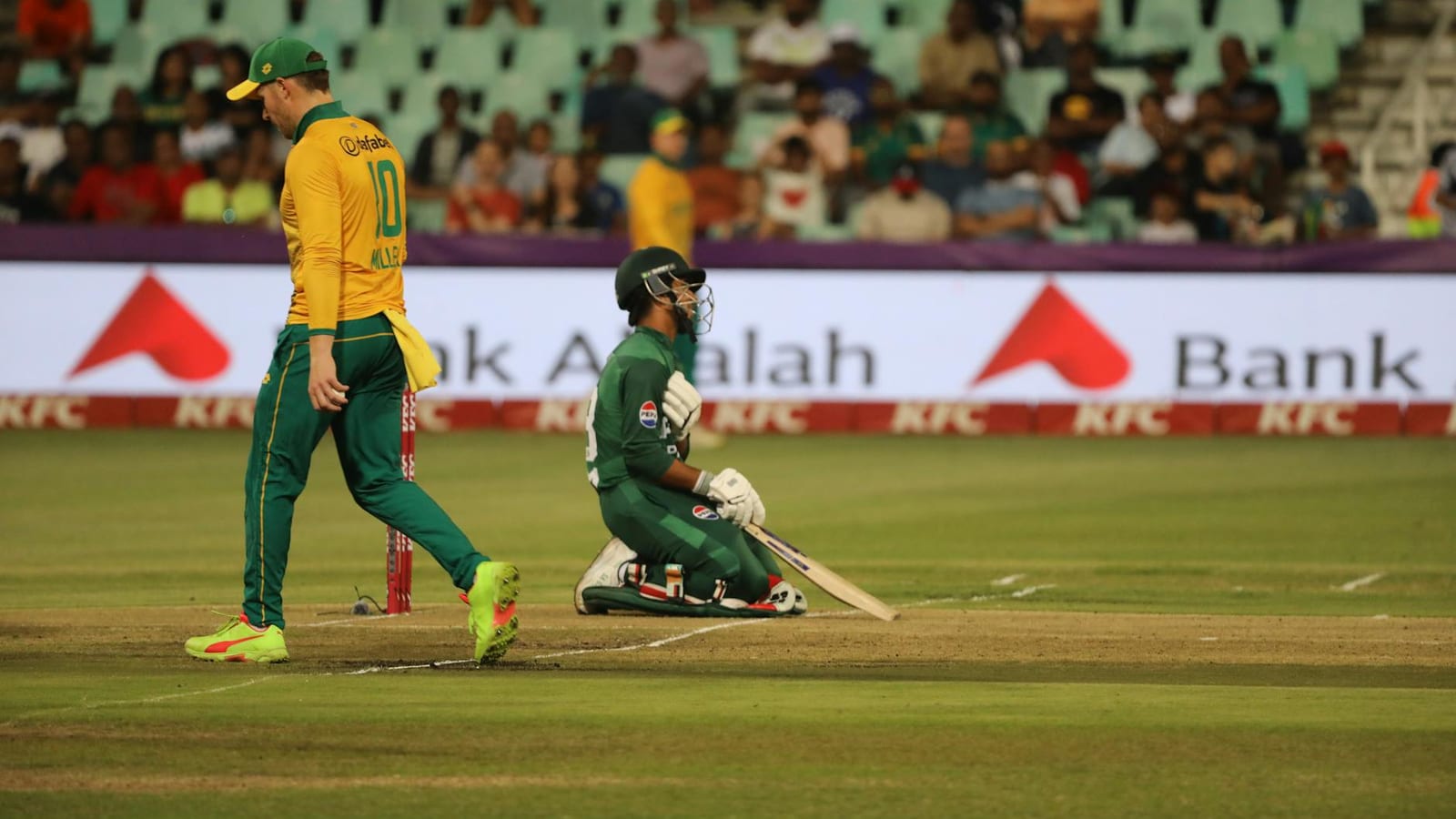
One tight chase in Kolkata has kept the IPL table breathing hard.
IPL 2026 is now at that lovely, messy stage where one over can change five dressing rooms. Kolkata Knight Riders beat Mumbai Indians by four wickets on Wednesday, and the result did more than add two points.
It kept Kolkata alive, hurt Mumbai’s pride, and made the playoff race feel less like maths and more like a family argument during dinner.
Kolkata stay alive in style
Kolkata chased 148 in 18.5 overs after Mumbai made 147 for eight in 20 overs. It was not a huge target, but these games rarely feel simple now.
Manish Pandey’s 45 gave Kolkata the calm they needed. In a chase like this, 45 is not just a score. It is a senior player telling the room to breathe.
Mumbai had their chances, but Kolkata kept finding small answers. Cameron Green, Dinesh Karthik and Shivam Dube picked up two wickets each, which tells you how often the game shifted.
This was Kolkata’s second straight win in IPL 2026. That matters because late-season momentum can fool even tired teams into believing again.
Playoff race gets tighter
The IPL table has started doing what it does every May. It has turned accountants into cricket pundits and cricket fans into spreadsheet experts.
Sunrisers Hyderabad and Gujarat have already moved into the playoff picture. Bengaluru also sealed qualification earlier, which puts pressure on the rest.
That leaves a crowd fighting for one meaningful lane. Rajasthan, Delhi, Kolkata, Chennai and Punjab all know one bad evening can end the season.
For fans, this is peak IPL. For players, it is brutal. You finish one match, check the table, then realise another team’s result may hurt you tomorrow.
The next spotlight falls on Gujarat Titans and Chennai Super Kings in Ahmedabad. That match is scheduled for 7.30 pm IST.
Chennai’s season has carried the usual noise around MS Dhoni. Suresh Raina said Dhoni had told him his body felt weaker. That one line will stay with fans longer than many scorecards.
Stars, salaries and brand power
The IPL is not just a tournament anymore. It is cricket, television, streaming, fantasy gaming, city identity and celebrity culture packed into two months.
A recent player earnings report placed Virat Kohli as the highest-earning IPL player. Rohit Sharma followed him, with MS Dhoni third.
That ranking says something larger. The league still runs on old superstars, even as younger hitters rewrite the actual scorebooks.
Kolkata’s franchise value was pegged at Rs 19,200 crore in the same set of figures. That number would have sounded wild a decade ago. Today, it feels almost expected.
This is why every late-season match has two stories. One happens on the field. The other happens in boardrooms, ad sales teams and streaming dashboards.
Viewership figures also show the scale. TV reach has moved close to 50 crore, while digital watch time rose 7 percent. That is a massive audience pool.
For brands, this means a six in the 18th over is not just a sporting moment. It is a premium ad slot, a social media clip and a sales pitch.
Young hitters shift the mood
The most interesting thread this season is the rise of Vaibhav Suryavanshi. He has become one of IPL 2026’s most talked-about young batters.
He has already crossed major six-hitting marks this season. He also broke Andre Russell’s record for sixes by a number two batter in an IPL season.
That sounds like a stats line, but it tells a deeper story. The league is changing its batting language.
Young Indian batters now treat big hitting as a basic skill, not a special trick. They do not wait to settle. They attack from the first ball.
Suryavanshi’s selection for India A adds another layer. IPL form now travels quickly into national conversations, especially when the player looks fearless.
This is both exciting and risky. A young player can become a household name in three weeks. He can also face crushing judgment after two failures.
That is the strange bargain of the IPL. It creates stars quickly, but it does not always give them time to grow quietly.
Fans make the league bigger
The league’s real power still comes from the people watching it. Stadiums are full, living rooms are louder, and fan loyalties have become personal.
Lucknow recently saw a sea of yellow when Chennai played there. The home team had support, but Dhoni shirts still dominated the stands.
One Lucknow fan said his team’s win felt sweeter because Chennai fans had teased them earlier. That small exchange captures IPL culture perfectly.
It is not just cricket loyalty. It is city pride, workplace banter, WhatsApp fights and family teasing rolled into one evening.
This is why teams already out of the title race still matter. They can ruin someone else’s season. In IPL language, that is almost as satisfying as qualifying.
Punjab have felt that pain. Mumbai damaged their playoff hopes, and now every remaining match feels like a final.
For ordinary viewers, the IPL has become a nightly habit. Dinner is planned around toss time. Office calls stretch only until the first over. Even casual fans know net run rate now.
The Kolkata win has kept that theatre alive for a few more days. The bigger lesson is simple. IPL 2026 is no longer only about who lifts the trophy. It is about who controls attention, who builds the next star, and who keeps millions watching until the last ball.