Virar Naringi Flyover Opens, Bringing Relief to Mumbai Commuters
Virar's Naringi flyover opens May 8, cutting commute times at a major bottleneck as Vasai-Virar's civic infrastructure catches up with rapid growth.
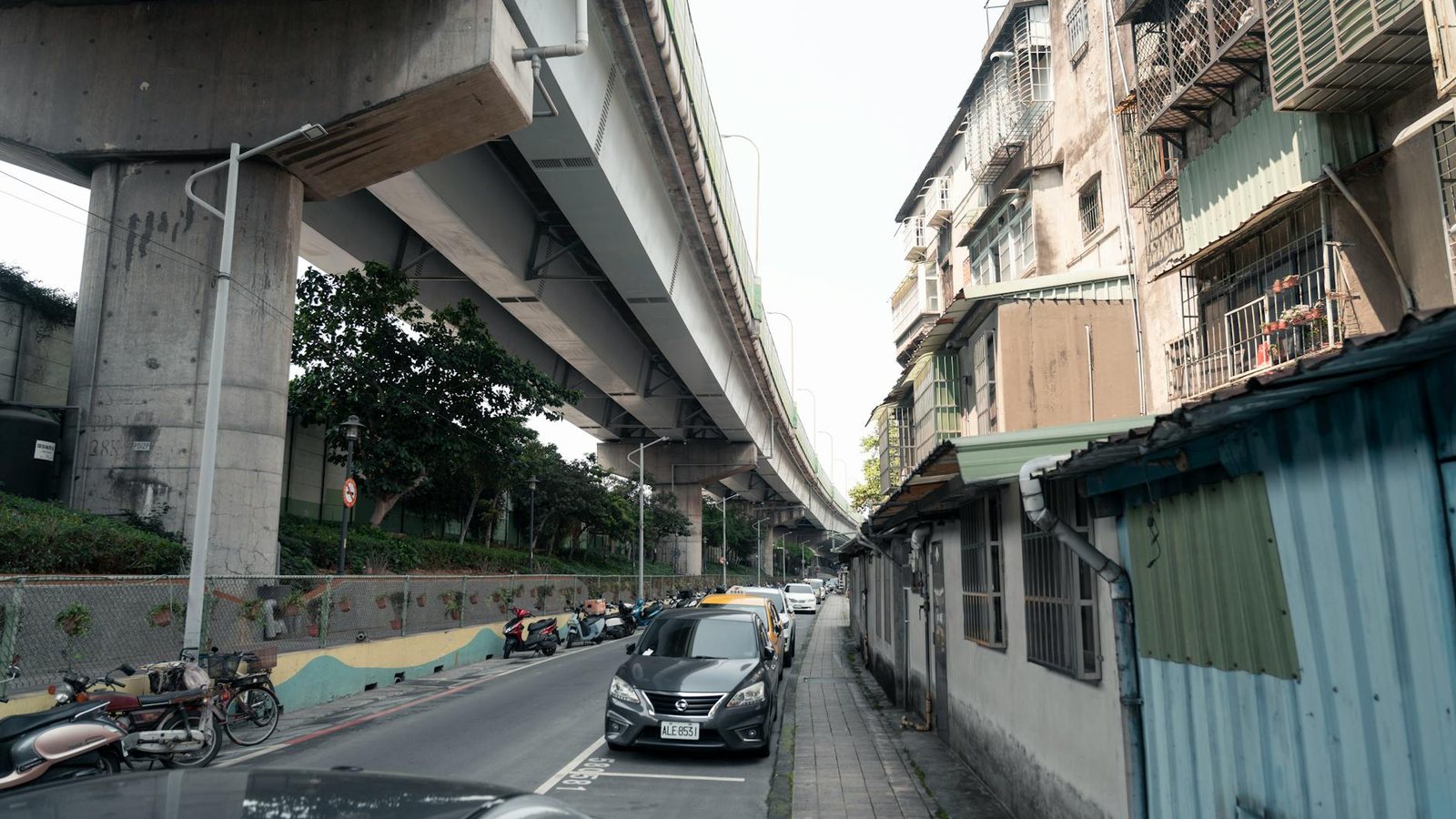
Vasai-Virar has been one of Mumbai’s fastest-growing satellite towns for over a decade, drawing in migrant workers, middle-class families priced out of the city, and small businesses looking for cheaper real estate. The reward for all that growth? Traffic that regularly turns a 5-kilometer commute into a 45-minute crawl.
That bottleneck is about to get some relief. The Naringi flyover in Virar, a project commuters have waited years to see completed, opens on May 8. The bridge promises to cut through the worst of the congestion at one of the region’s most punishing choke points, giving daily travelers and local traders a faster route through an area that has grown far quicker than its roads.
The opening arrives at a moment when Vasai-Virar’s civic infrastructure is finally beginning to catch up with the population it serves. The Vasai-Virar City Municipal Corporation has also announced plans to set up a sewage treatment facility, a move that addresses one of the most glaring gaps in the region’s development story. Until now, untreated sewage from the city was flowing directly into the local creek. That is not just an environmental failure; it is a public health risk for a city of over 1.2 million people, many of them living close to the water.
The sewage project signals a shift in how the corporation approaches urban management. Treating waste water on-site rather than dumping it raw into the creek is standard practice in most Indian cities of comparable size. For Vasai-Virar, which has spent years playing catch-up on basic services, this is a necessary correction. Residents who live near the creek have long complained about the smell and the associated health risks. Small food businesses face particular pressure: poor local sanitation records complicate licensing and hurt customer footfall.
Both announcements, the flyover and the sewage plant, come from the same underlying pressure. This is a city that urbanized faster than its governance structures could handle. The Vasai-Virar region absorbed hundreds of thousands of residents from Mumbai over the past two decades, drawn by affordable housing. But the municipal infrastructure that followed was never quite fast enough.
The traffic problem in Virar is a case study in that lag. The Naringi flyover sits at one of the busiest intersections in the region, where traffic from multiple residential zones converges before funneling toward the Western Railway line and the Mumbai-Ahmedabad National Highway. During peak morning hours, the backup stretches several kilometers. For workers commuting to Mumbai or Mira Road, every hour lost in traffic is an hour not earned.
Local small businesses feel this directly. Delivery timelines suffer when trucks and autos get stuck at the same choke points. A trader moving goods between Virar and Mira Road, or between the highway corridor and the city center, builds buffer time into every run, and that buffer eats into margins. Faster roads are not an abstract benefit for this community. They translate to more deliveries, more customers, and lower operating costs.
The highway itself has added complications. The Mumbai-Ahmedabad National Highway passing through the region has become a corridor lined with illegal hoardings and advertisement boards that authorities say create accident risks. Commuters and freight operators face a stretch where unauthorized structures crowd every junction. Local authorities have flagged the problem, but enforcement on a heavily trafficked national corridor is a slow process.
The political dimension of the civic story is also worth watching. The adjoining Mira Bhayandar Municipal Corporation is dealing with a tax hike controversy that has pitched Shiv Sena and the Bharatiya Janata Party against each other. After residents and traders complained about the increase, Deputy Chief Minister Eknath Shinde stepped in to mediate. When a sitting Deputy Chief Minister feels the need to intervene in a local property tax dispute, it signals how politically charged civic finances have become across this part of the Mumbai Metropolitan Region.
Tax hikes in fast-growing suburbs are rarely popular, but they are often necessary. Municipal corporations in the MMR are under pressure to expand services quickly: more roads, better drainage, functional sewage systems, reliable water supply. That expansion costs money. The tension between what residents can afford to pay and what the corporation needs to spend is a pressure point that will keep surfacing as long as the region keeps growing.
What ties all of these stories together is a simple urban reality: Vasai-Virar built its population before it built its systems. The flyover opening is welcome. The sewage plant is overdue. The tax dispute is uncomfortable but predictable. All three are products of the same rapid, under-planned expansion that characterizes so much of the Mumbai Metropolitan Region’s fringe.
For the residents and businesses of the region, the immediate win is the flyover. A bridge that cuts through a congestion point does not solve the larger infrastructure gap, but it makes daily life measurably better. In an area where commuting eats up hours every week, that matters in rupees as much as in minutes. Workers who spend less time stuck in traffic get home earlier, or take on more work. Shops that receive deliveries on time hold less dead inventory.
The harder work, treating the sewage, maintaining the roads, negotiating who pays for what through honest municipal budgeting, will take longer and generate more political friction before it generates results. But the direction, toward a city that manages its own infrastructure rather than leaving it to chance, is the right one.
Vasai-Virar’s next decade will be shaped by how consistently the corporation turns that direction into actual delivery. The Naringi flyover, finally open, is a useful reminder of what happens when it does.