Viral Fuel And Travel Rumours Disrupt Daily Spending
False posts on fuel, travel and freebies are pushing consumers into panic planning, showing how misinformation can disrupt everyday spending.
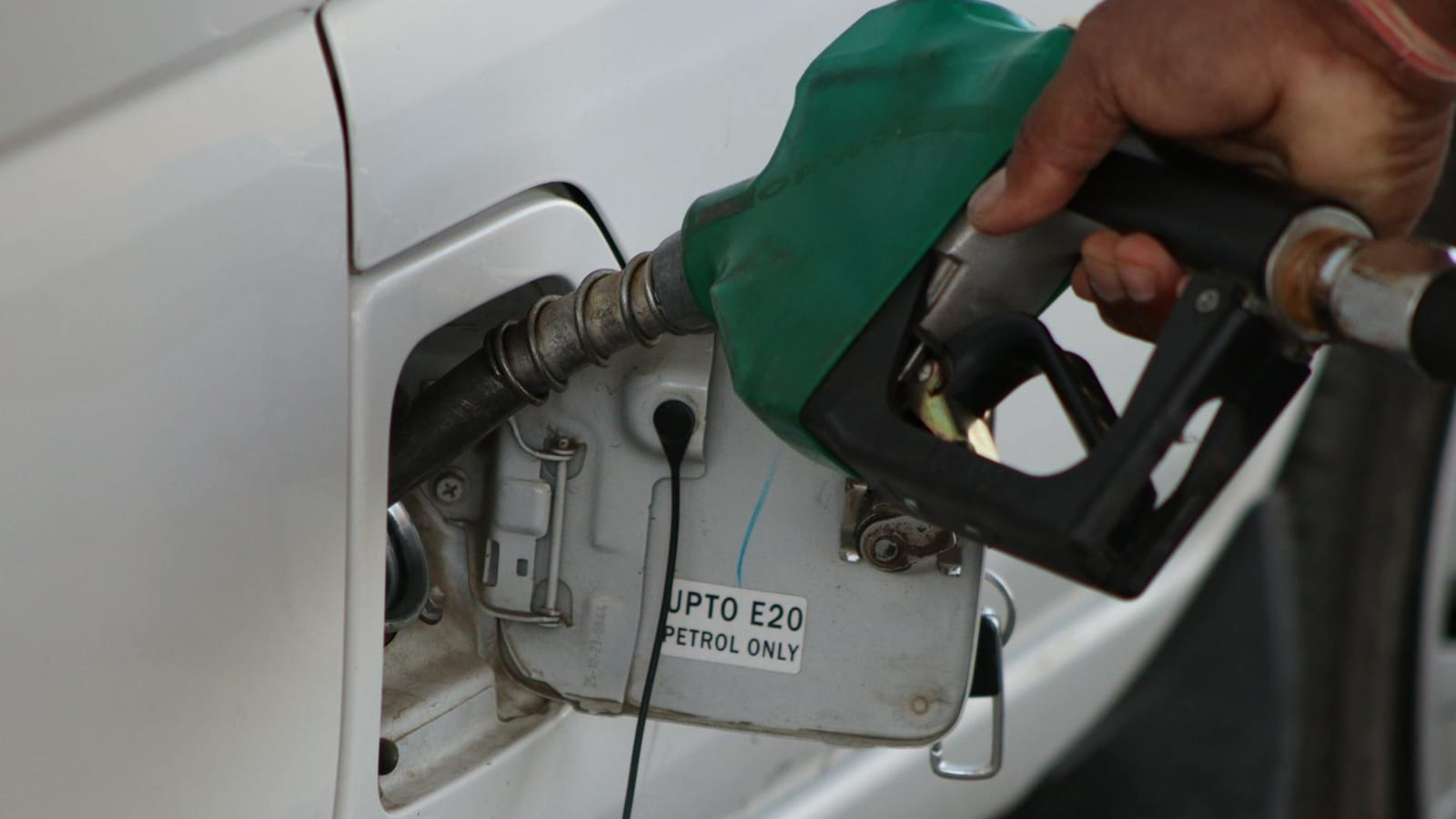
A rumour can move faster than a bank transfer now. One fake post says petrol pumps will shut on Sundays, and suddenly families plan fuel runs like a bandh is coming.
That is the quiet business cost of misinformation. It does not always crash markets or trigger lawsuits. Sometimes it simply makes people waste time, delay travel, panic about flights, or believe a political freebie is waiting on WhatsApp.
A fresh set of viral claims in Malayalam shows the pattern clearly. Politics provides the emotion. Business, travel, fuel, gold, and mobile recharge provide the bait.
Fake claims hit daily spending
One viral claim said petrol pumps would remain closed on Sundays. That kind of message lands hard because fuel touches everyone.
A commuter does not need a policy paper to worry. One forwarded image is enough to make people queue up, especially in smaller towns where families plan weekly travel carefully.
The claim was found false. Petrol pumps had not announced such a blanket Sunday shutdown.
This matters because fuel rumours can distort normal buying. Pump owners face sudden crowds. Delivery workers lose time. Small businesses that depend on two-wheelers and vans end up planning around fiction.
Another claim said a three-month free recharge offer would follow an election victory. That too was false.
This is an old trick in a new wrapper. Political excitement gets mixed with a consumer benefit. The post then asks people to click, share, or trust a promise that never came from any official party channel.
Air India rumour shows travel anxiety
One of the more damaging claims involved Air India. A viral message suggested the airline had cancelled all international flights.
For passengers, that is not a small scare. International travel often involves visas, hotel bookings, onward trains, and family commitments. A false cancellation claim can send people into panic within minutes.
The claim was fake. There was no such blanket announcement cancelling all international services.
This is where misinformation becomes a business risk. Airlines spend heavily on trust. A single viral lie can push customers to call centres, crowd airport counters, or rebook in haste.
Travel agents also bear the heat. Many still handle tickets for families, students, migrant workers, and first-time flyers. When a fake aviation alert spreads, these agents become the first complaint desk.
The lesson is simple. Any travel claim needs direct checking with the airline or airport. A screenshot without a booking reference or official notice should raise suspicion.
Politics supplies the emotional fuel
Many false claims in the list were political. Some targeted Rahul Gandhi, BJP, ministers, and regional leaders.
One claim suggested Rahul Gandhi had made a comment about BJP’s prospects in West Bengal. Another claimed a political leader fainted after election results. Others pushed fake remarks around ministers, protests, and defections.
These stories spread because they flatter one side and anger another. That is the perfect recipe for a viral post.
The business angle may not be obvious at first. But elections affect markets, local trade, hiring, public works, and consumer confidence. False political claims can create a mood before facts catch up.
In a shop, office, or trading desk, people do not discuss politics as an abstract subject. They talk about what it may mean for taxes, contracts, transport, permissions, and jobs.
That is why fake political claims have an economic shadow. They shape expectations, even when they collapse under basic checking.
Gold, flights, and fear
Another viral claim referred to gold restrictions and linked the idea to an earlier political period. Gold is never just a commodity in India.
For households, gold means savings, weddings, security, and sometimes emergency credit. Even a loose claim about restrictions can unsettle families.
When such messages spread, jewellers get questions they cannot answer. Buyers delay purchases. Families planning ceremonies wonder whether prices or rules will suddenly change.
The same pattern appears in fake claims about prohibition, immigration, military losses, and communal violence. Each one uses fear to create urgency.
Urgency is the red flag. If a post tells you something huge has happened, but gives no official document, no date, and no clear authority, slow down.
False claims now often carry the look of news. Some use old videos. Some use edited images. Some use artificial intelligence, including fake pictures that appear emotional at first glance.
That makes checking harder for ordinary readers. It also makes restraint more valuable. Sharing late is better than sharing wrong.
Why these rumours keep working
India’s information market is crowded, emotional, and deeply local. A claim in Malayalam, Tamil, Hindi, Bengali, or Marathi can travel faster than national media can respond.
That gives misinformation a strong regional life. A fake post may never trend nationally, yet still mislead thousands in one district.
The format also keeps changing. Yesterday it was a cropped video. Today it is an AI image. Tomorrow it may be a fake voice note from a leader or official.
People trust messages from friends and family more than unknown accounts. That trust makes WhatsApp and local social media groups powerful, but also risky.
For businesses, this creates a new responsibility. Airlines, fuel dealers, telecom firms, banks, and jewellers must respond fast when false claims touch their customers.
A short clarification can prevent real damage. Silence often leaves space for rumours to grow.
Ordinary readers need a small checklist. Check who issued the claim. Look for the date. Search for an official statement. Be extra careful when a post promises money, free services, sudden bans, or shocking political claims.
The larger point is not that people are foolish. It is that fake news now understands people very well. It knows what they fear, what they need, and what they will forward quickly.
That is why media literacy is no longer a school lecture topic. It is household protection. It protects your wallet, your travel plans, your vote, and sometimes your peace of mind.
The next viral claim may not look dramatic. It may look useful. A free recharge. A fuel warning. A flight alert. That is exactly when the smart reader should pause, check, and then decide.