Viral Flight Cancellation Hoaxes Put Travel Businesses on Alert
False airline cancellation messages can unsettle travellers, raise costs and force agents to spend hours correcting rumours before bookings suffer.
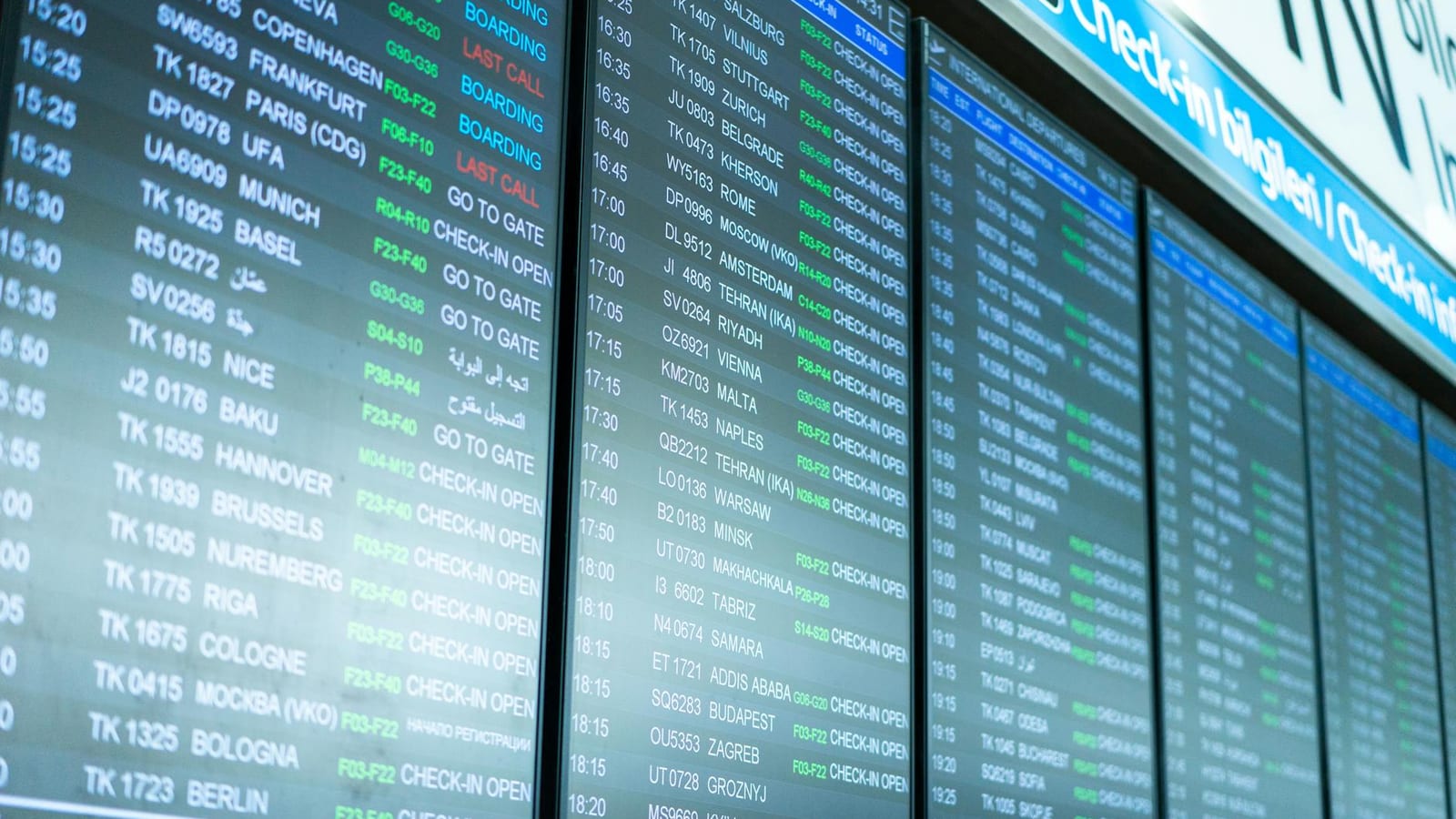
A fake flight cancellation message can do real damage before breakfast.
One traveller delays a booking. A parent calls a child abroad in panic. A small travel agent spends the morning answering the same nervous question. That is how online rumours move from WhatsApp chatter to business trouble.
Recent Malayalam fact-checks show the familiar pattern clearly. Viral posts mixed politics, aviation, gold, elections, alcohol policy, and even the armed forces. Some claims were bizarre. Some looked official enough to fool a busy reader.
False claims hit real wallets
One fake claim said Air India had cancelled all international services. That kind of rumour does not need to be true to hurt people.
Airlines run on trust and timing. Passengers plan visas, hotels, office meetings, weddings, and medical trips around flight schedules. Even a few hours of confusion can push people to change plans, call agents, or buy costlier tickets.
For travel agents, especially smaller ones, such rumours create unpaid work. They must calm customers, check systems, and explain that a forwarded message is not an official notice.
The same applies to hotels, taxi operators, forex counters, and airport shops. A false aviation claim travels through an entire chain of small businesses. The airline may deny it later, but the morning’s anxiety has already been sold.
Politics drives the rumour market
Many of the checked claims came from politics. One post asked whether a church leader had said a BJP victory proved the presence of terrorists in Kerala. Another claimed police officers were celebrating a BJP win.
There were claims around Trinamool workers, Bengal election celebrations, Mahua Moitra, Mamata Banerjee’s house, Rahul Gandhi, and the Muslim League. Several posts appeared tied to election results or party rivalries.
This is not random noise. Election seasons create perfect conditions for fake news. People are emotional, party workers are active, and social media groups run hot. A message that flatters one side or angers another spreads fast.
Business gets dragged in because politics affects confidence. Investors, shopkeepers, migrant workers, and local contractors all watch political mood. When rumours suggest unrest, violence, or sudden policy shifts, people delay decisions.
A trader may hold back stock. A transporter may avoid a route. A small factory owner may wait before hiring. Nobody calls this a market reaction, but that is what it becomes at street level.
Policy rumours create instant fear
One viral claim said Amit Shah had announced prohibition from September 30. Another revived the question of whether Indira Gandhi had once taken a similar stand on gold restrictions.
These are exactly the kind of claims that unsettle households and small businesses. Alcohol prohibition affects state revenue, hospitality, bars, retail workers, and transporters. Gold restrictions affect jewellers, families, lenders, and wedding spending.
In India, gold is not just an investment. It sits inside family savings, marriage plans, emergency borrowing, and small-town status. A rumour about controls on gold can make people rush to buy, sell, hide, or panic.
That panic benefits someone. It can help sellers push stock. It can help political groups create anger. It can help social media pages gain followers. Misinformation has its own business model, even when nobody calls it that.
The reader pays the price. Sometimes through fear. Sometimes through bad financial choices. Sometimes through time wasted checking whether a minister really said what a random graphic claims.
Old clips, new lies
Several checked posts appeared to use old visuals with new captions. Claims linked videos to Bengal celebrations, illegal migrants fleeing, booth capture, temple-entry disputes, and attacks on political workers.
This trick works because video feels convincing. People trust their eyes more than text. But a video without date, place, and source can mislead more powerfully than a plain rumour.
For businesses, this matters during sensitive periods. A clip suggesting violence in one town can affect nearby shops, delivery routes, and local footfall. Parents may stop children from going out. Workers may skip shifts. Customers may avoid markets.
The same pattern appeared in security-related claims too. One post asked whether an Indian Air Force aircraft had crashed in Kishtwar. Another claimed a foreign ministry spokesperson had admitted India lost Rafale jets during Operation Sindoor.
Defence rumours carry extra weight. They touch national pride, fear, and markets all at once. In a tense moment, such claims can stir anxiety far beyond politics. They can also push people into sharing before thinking.
AI makes doubt cheaper
One checked item said an image of a mother and child linked to a boat accident in Madhya Pradesh was AI-made. That detail should make every newsroom, company, and reader pause.
Fake images have crossed a dangerous line. Earlier, people needed editing skill. Now a convincing image can appear quickly, cheaply, and in many languages. It can be emotional enough to travel before anyone asks basic questions.
This matters for companies too. A fake accident image, a fake product defect, a fake notice, or a fake resignation letter can damage trust within minutes. Brands can issue clarifications, but screenshots often outlive corrections.
Regional languages make the challenge sharper. India does not live only in English. Malayalam, Hindi, Tamil, Bengali, Marathi, Telugu, Kannada, and other language spaces carry their own rumour cycles.
A company that monitors only English social media sees only part of the fire. By the time a rumour reaches English, it may already have shaped local behaviour.
The lesson is simple, but not easy. Official communication must be fast, local, and clear. Airlines, banks, hospitals, police departments, political parties, and ministries cannot wait for rumours to become national news.
For ordinary readers, the safest habit is also simple. Pause when a claim sounds too perfect for your anger or fear. Check whether the organisation named in the message has said it directly.
Fake news often looks like entertainment until it reaches your wallet, your travel plan, or your family group. The next serious business risk may not begin in a boardroom. It may begin with one forwarded message, written in confident language, sent at exactly the wrong time.