Viral Airline And Gold Rumours Raise Cost Risks For Indians
False claims on flight cancellations and gold rules show how misinformation can trigger panic spending, travel disruption and consumer mistrust.
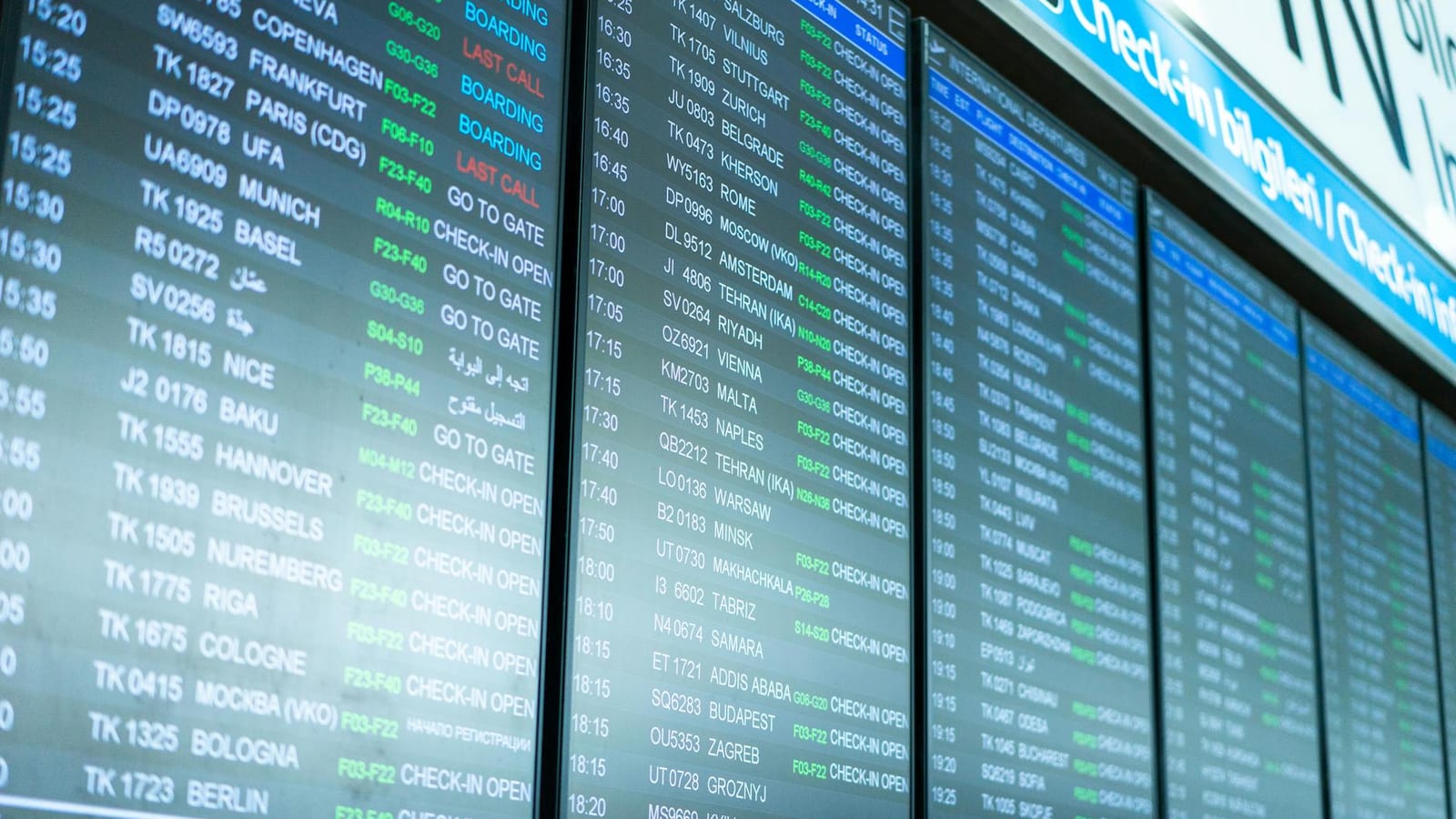
A fake message about flight cancellations can ruin a family’s holiday faster than bad weather.
That is why a recent bunch of viral claims from Kerala deserves attention beyond politics. The list runs from elections and leaders to airlines, gold, liquor, and even watermelon. It shows how misinformation now behaves like a business risk.
For ordinary Indians, the damage is not only confusion. It can mean panic bookings, needless purchases, lost work hours, and mistrust in services people use daily.
Fake claims now hit wallets
One viral claim said Air India had cancelled all international flights. Fact-checkers found the claim false.
That matters because airlines run on trust. A rumour like this can push passengers to call agents, cancel plans, or buy costlier tickets elsewhere.
For a student flying abroad, or a worker returning from the Gulf, such panic is not casual. It can mean losing money on hotels, taxis, and connecting trains.
Another claim suggested new restrictions on gold, linking it to an old political decision. That too was flagged as misleading.
Gold is not just an investment in India. It sits inside weddings, savings, loans, and family security. A rumour about restrictions can move behaviour quickly.
A jeweller in a small town may suddenly face anxious buyers. A family may rush into a purchase they had planned for later.
That is the quiet business cost of fake news. It turns uncertainty into action, and action often costs money.
Politics drives the traffic
Many claims in the list revolve around the BJP, Congress, the Left, and regional leaders. Some were about election victories. Others claimed leaders had made remarks they did not make.
One false post claimed a church leader had linked a BJP win to terrorism in Kerala. Another claimed Rahul Gandhi had said nobody could defeat BJP in West Bengal.
Several claims used familiar political faces. Amit Shah appeared in one false claim about liquor prohibition from September 30. Mamata Banerjee appeared in another claim about an attack on her home.
This pattern is not new. Fake news loves elections because emotions run hot. People forward first and think later.
But the Malayalam examples show something sharper. The claims often mix local pride, religion, party rivalry, and fear.
That mix travels fast in WhatsApp groups. It lands in family chats, resident groups, and local business circles.
For small traders, politics is not distant theatre. A bandh rumour can affect shop timings. A law-and-order rumour can keep customers indoors.
Even when a rumour dies, the doubt remains. That is why repeated fake claims are so corrosive.
Old videos, new damage
Several items involved videos presented as fresh evidence. Fact-checkers flagged clips claimed to show police celebrating a BJP win, illegal migrants fleeing, and violence after election results.
This is now a standard trick. Take an old video, add a new caption, and feed it into a tense moment.
The viewer sees movement, faces, and noise. That feels more real than a text claim.
The problem is worse in local languages. A misleading Malayalam caption can make an unrelated clip feel intimate and immediate.
One claim said League workers entered a temple courtyard during victory celebrations. Another linked a protest video to a body allegedly carried after action by the Indian Army.
Such claims do more than mislead. They can inflame neighbourhoods where people already live close to political and religious fault lines.
The business fallout can be dull but real. Shops shut early. Delivery workers avoid routes. Local markets lose a day.
No balance sheet records the reason as “viral falsehood”. But the loss is still there.
AI adds a sharper edge
One fact check flagged an image from a Madhya Pradesh boat accident as AI-made. That is the next difficult turn.
Earlier, fake news depended on old photos, cropped videos, or false captions. Now a convincing image can be made from scratch.
That changes the burden on ordinary people. They must judge not only whether a caption is true, but whether the picture exists at all.
For newsrooms, companies, and public agencies, response time matters. A slow denial lets the fake version harden.
For citizens, the safest rule is simple. Do not forward shocking claims before checking the original source or official statement.
That sounds basic, but it is not easy in real life. Fake posts usually arrive from someone trusted.
They also arrive with urgency. Flights cancelled. Gold restricted. Liquor banned. Violence breaking out. Free recharge available.
Each message asks the reader to act before thinking. That is the business model of misinformation.
The latest Malayalam fact-check trail tells us something uncomfortable. Fake news is no longer only about who wins an argument online. It now touches travel, savings, markets, community peace, and daily confidence. For readers, the next useful habit is boring but powerful: pause before forwarding. In a country where one rumour can move thousands, that pause has real economic value.